
One advertiser admits it in her own words: she’s selling after-hours black market booze.
Police, health advocates and local politicians are all concerned about the increasing issue of illegal alcohol sales on social media.
The online retailers openly flout licensing rules by selling on public holidays and after hours.
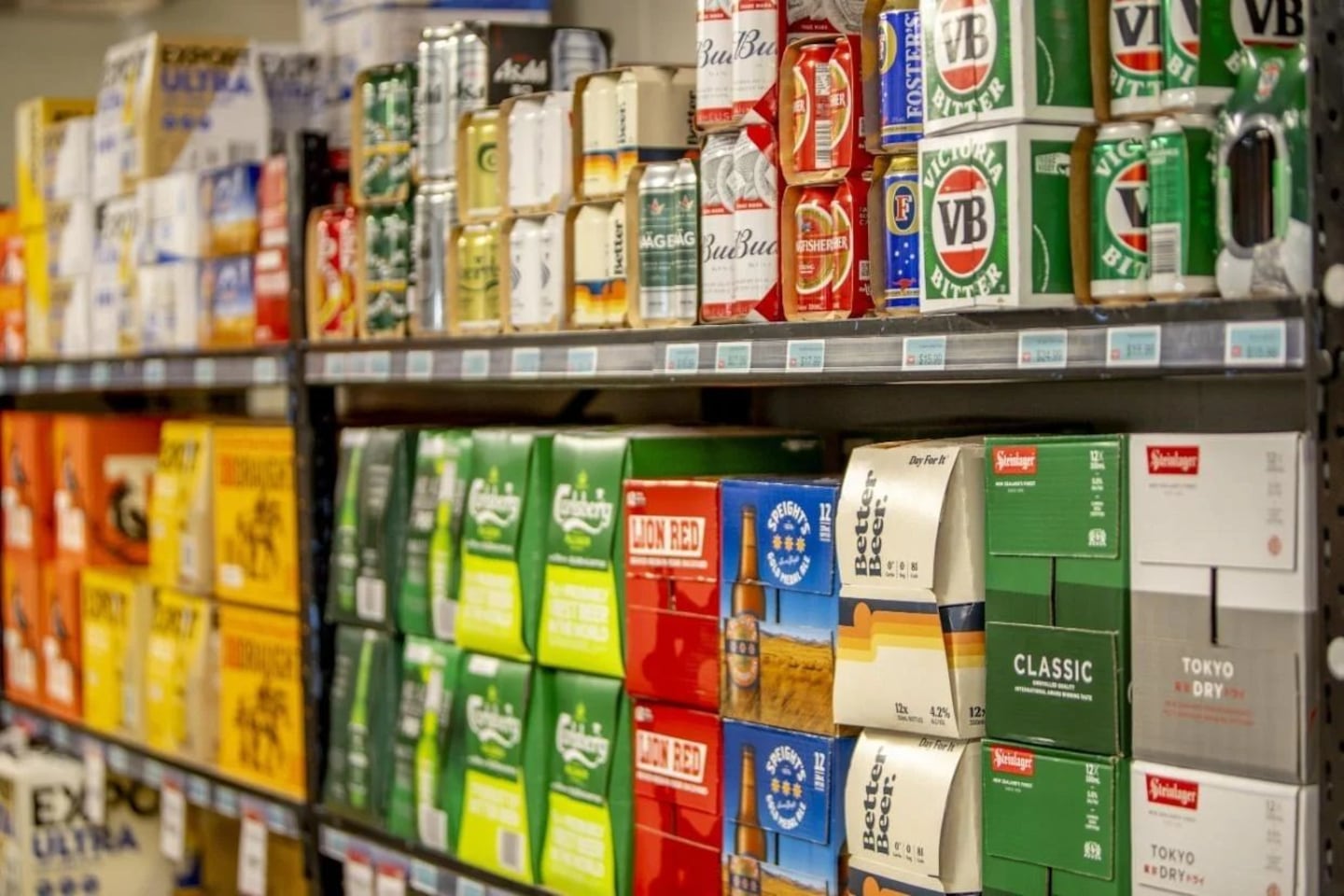
Alcohol listings on Facebook Marketplace mean people can buy on mandatory non-trading days for licensed retailers - Good Friday, Easter Sunday, Christmas Day, and ANZAC Day.
On Christmas Day, south Auckland-based sellers were offering spirits priced at up to $140.
A 10 or 12-pack of beer fetched up to $50, and an 18-pack up to $80.
At a licensed shop, a 12-pack sells for about $30 and an 18 -pack, up to $50.
Some sellers offered free delivery.
A seller, advertising her operation as an after-hours blackmarket, started selling booze from 9pm till late.
Buyers could pick up in “PapCity” (Papatoetoe), but the seller offered delivery for a fee. They accepted cash and bank transfers for payment.
Auckland Council rules which came into effect in 2024 prevent off-licences - such as bottle shops and supermarkets - prevent the sale of alcohol after 9pm.
Counties Manukau district operations senior sergeant Scott Dixon said police were aware of unlicensed alcohol sales being advertised on social media.
“No arrests have been made in relation to the recent posts from south Auckland; however enquiries remain ongoing,” Dixon said.
“The sales of alcohol through social media are concerning to police as these sales are unregulated and could possibly include under-aged and intoxicated people.”
Dixon said police continued to work with off-licences to ensure high level of compliance.
“[We] will work equally as hard to investigate and act against these unlawful sales.”

According to the Sale and Supply of Alcohol Act, only individuals or businesses holding a valid licence can sell alcohol.
This includes businesses with on-licences (bars, restaurants), off-licences (supermarkets, bottle stores), club licences (sports clubs), or special licences for events.
Mervyn Chetty, Auckland Council’s licensing and environmental health manager, said a key aspect of the object of the Act was to minimise alcohol-related harm because of the negative impact misuse can have on families and communities.
“Auckland Council expects all vendors, including those running online sales, to comply with alcohol laws and operate responsibly,” Chetty said.
Chetty said they have not received any complaints about alcohol being sold online illegally.
Alcohol Healthwatch executive director Andrew Galloway said the sale of alcohol was tightly regulated because of the harm it caused.
“When it’s sold illegally, you are bypassing any controls and that’s a real concern,” Galloway said.
He said he hadn’t seen the posts on social media himself, but if people were selling alcohol illegally online, then police should take action quickly.
“People have seen the opportunity and it’s incumbent on police and council to stamp it out quickly before it becomes an ongoing issue.
“What we know from research is the availability of alcohol and restrictions on availability are one of the effective levers, and if that is being undermined by supply of illegal alcohol, after hours or days when it’s not available, then that really undermines the effect of the legislation.”
Auckland Street Māori Wardens chair Thomas Henry said he was disappointed to see the black market operation online, especially out of south Auckland.
“It just adds to the problem we’re already having in our community. It’s something we don’t want, its a damaging product but now they can get it when they want to.”
Manukau councillor Lotu Fuli said the sales undermined the council’s local alcohol policy. “We fought really hard for ten years to get that across the line, and that’s in response to alcohol harm we know affects the community.”
LDR is local body journalism co-funded by RNZ and NZ On Air.