

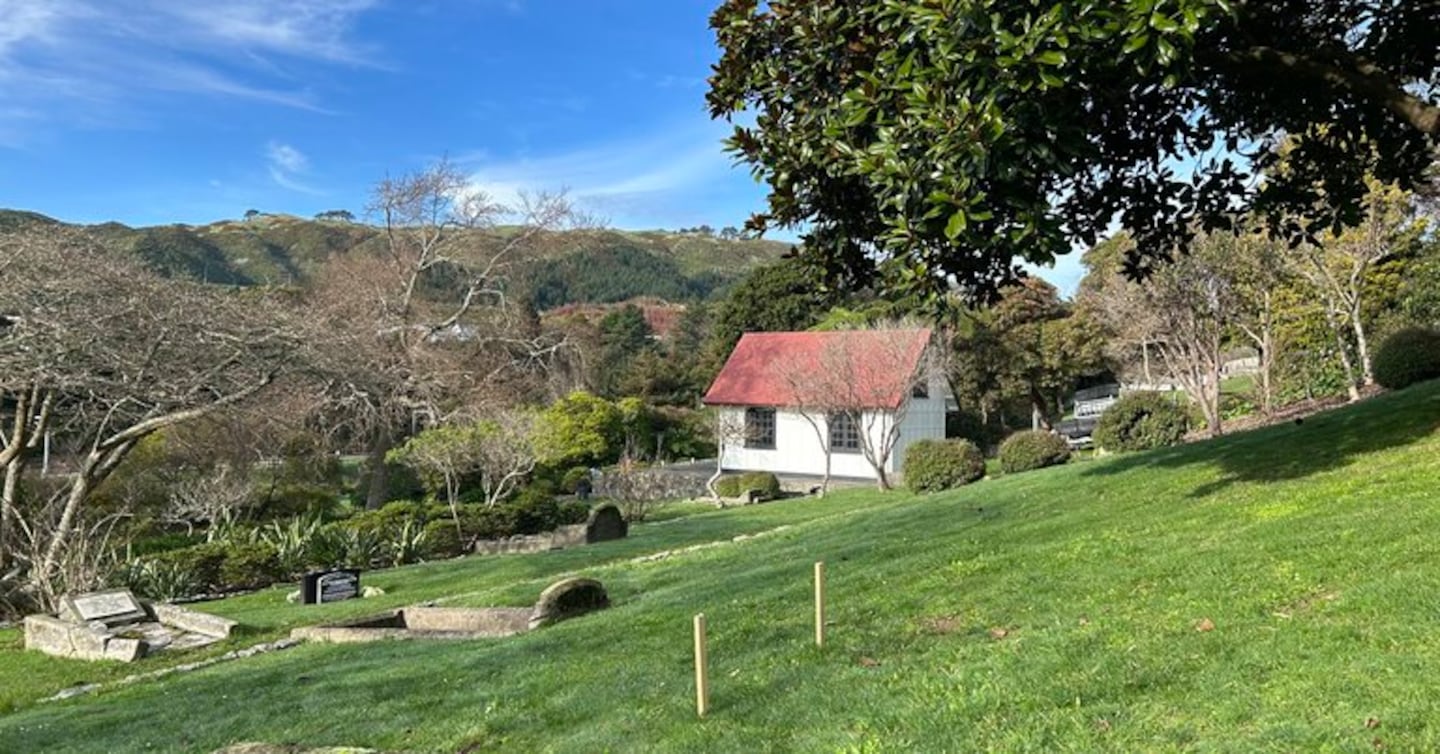
Families of former Porirua Hospital patients buried in unmarked graves are being urged to come forward to help shape a memorial project after Government funding was confirmed for the next stage of the work.
Porirua City Council has received about $195,000 through the Government’s Abuse in Care Royal Commission response to establish memorials at Porirua Cemetery and Whenua Tapu Cemetery, where more than 1,600 people are buried without individual headstones.
The funding is part of a nationwide initiative supporting seven councils in memorialising and caring for unmarked graves associated with state institutions.
More than 1,500 of the unmarked graves are at Porirua Cemetery, with a further 110 at Whenua Tapu Cemetery.
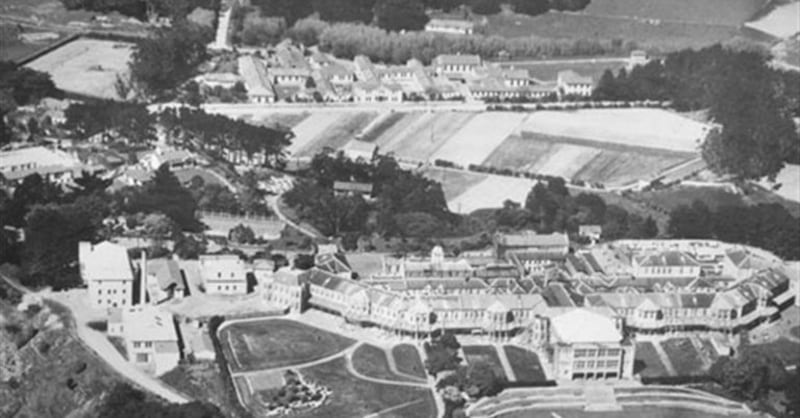
Many of those buried were patients at the former Porirua Hospital, which opened as the Porirua Lunatic Asylum in 1887 and grew into New Zealand’s largest psychiatric institution.
At its peak in the 1960s, the hospital housed more than 2,000 patients and staff before gradually closing through the 1980s and 1990s.
Porirua City Council General Manager of Infrastructure, Mike Mendonça, said while more than 130 families had already contacted the council since the project began, officials believed there could be many more yet to come forward.
“We want to hear from everyone who may be impacted by these unmarked graves in order for us to get feedback on what memorials at Porirua Cemetery and Whenua Tapu should look like,” he said.
“This project is a significant and meaningful one to our Porirua community, and in some cases further afield, so we want to take the right steps to restore the dignity of those who are buried in these places.
“Our design brief will be to create something that is appropriate, accessible, sensitive, and has space for reflection and remembrance.”
The council first released a list of people believed to be buried in unmarked graves in May last year, prompting more than 130 families to make contact.
A gathering at Porirua Cemetery later brought together descendants, many of whom saw the locations of their relatives’ graves marked for the first time.
The project stems from recommendations made following the Abuse in Care Royal Commission of Inquiry, which identified unmarked graves at former psychiatric hospitals and state institutions around the country and called for those buried to be properly recognised.
Historically, many people who died while in psychiatric care were buried without headstones.
Stigma surrounding mental illness, families becoming separated from relatives admitted to institutions and, in many cases, financial hardship meant many graves remained unidentified.
The Abuse in Care Royal Commission heard evidence from survivors who spent time at Porirua Hospital, describing an institution marked by fear, violence and isolation. Survivors recounted physical and sexual abuse, prolonged seclusion, over-medication, and, in some cases, the use of painful paraldehyde injections and electroconvulsive therapy (ECT).
Many also spoke of being separated from whānau, disconnected from their culture and left without meaningful avenues to report abuse.
More broadly, the Commission found people in psychiatric institutions were routinely dehumanised, isolated from their families and communities, and denied dignity and basic rights.
The council is continuing to seek feedback from whānau ahead of the formal design and tendering process later this year.
Construction of the memorials is expected to be completed by May 2027.