
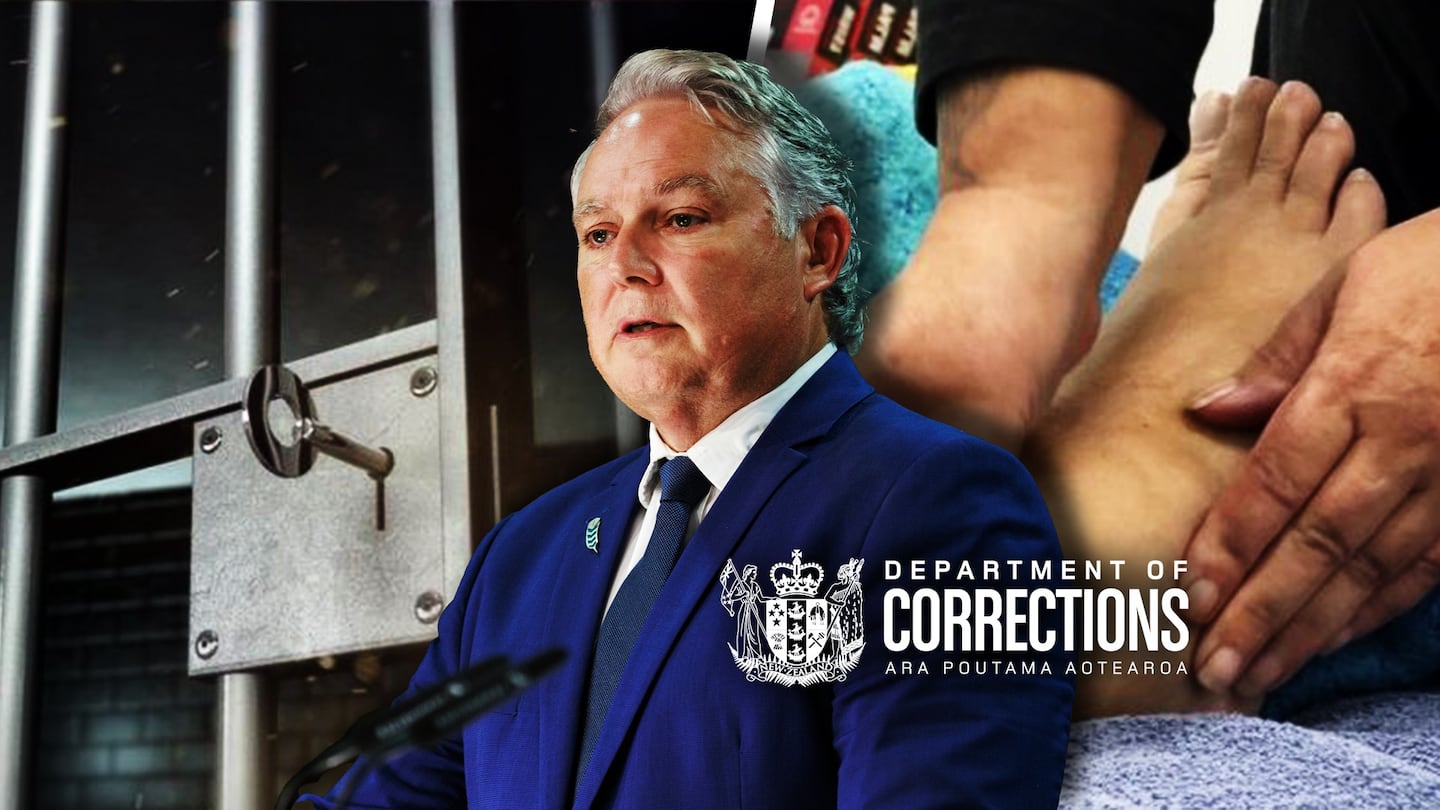
Corrections Minister Mark Mitchell has paused a planned nationwide rollout of rongoā Māori services in prisons, saying taxpayer funding should instead be directed towards practical employment skills rather than traditional healing.
The programme was halted on Tuesday after Mitchell reiterated his expectation that rehabilitation and reintegration services in prisons should focus on skills and education.
The proposed procurement process, worth up to $9 million over five years, would have expanded rongoā Māori health services to 13 prisons across the country.
Corrections confirmed no funding had been committed or spent before the procurement process was paused.
But a rongoā Māori practitioner working inside New Zealand’s only privately managed prison says the decision appears to be based on a misunderstanding of what rongoā Māori actually is.

Te Aroha Williams, who has delivered rongoā Māori services at the prison since January 2024 and is a ACC registered practitioner, said reducing the kaupapa to “massages for prisoners” overlooked the broader role rongoā Māori plays in rehabilitation and reintegration.
“Rongoā Māori is our traditional healing system,” Williams said.
“Romiromi and mirimiri are only one small part of that system, and they’re certainly not a relaxing spa massage. They are therapeutic healing practices that can bring awareness to trauma, intergenerational trauma, emotional patterns, and the ways our experiences are held in the body.”
She said those practices sat alongside whakawhiti kōrero, karakia, rongoā rākau, tikanga, whakapapa and wairua, reconnecting people with their identity, purpose and wellbeing.
“What frustrates me is that people hear ‘Rongoā Māori’ and immediately think ‘massage’.”
Williams said culture was not an “extra” in prison rehabilitation.
“When prisons fund psychologists, psychotherapists, counsellors, physiotherapists and other health professionals, nobody questions whether those services belong there. So why is Indigenous healing held to a different standard before people even understand what it is?”
She said Corrections had spent years laying the groundwork for expanding rongoā Māori services under its Hokai Rangi strategy.

“If that’s what has happened, it’s difficult not to see it as a decision driven by fear rather than informed understanding.”
Williams said she had experienced similar misconceptions when she first began working in the prison.
“Many staff, particularly those who weren’t Māori, thought Rongoā Māori was simply massage. Once we educated them about what Rongoā Māori actually is, their understanding changed completely.”
She said she had recently presented at Australia’s Health Care in Secure Settings Conference on the role culture and rongoā Māori can play in rehabilitation, where the response from clinicians and justice professionals had been overwhelmingly positive.
“Yet back home, we’re still having to explain that Rongoā Māori isn’t ‘just a massage’.”
Mitchell said he was not opposed to rongoā Māori itself, but did not believe taxpayer funding should be used for it in prisons.
“I’m not against it at all. And if you want to deliver it in Corrections, then I work very closely with iwi and hapū. They know my feelings on this stuff.
“Let’s work together, let’s deliver it. But taxpayers’ money, we are focusing, and it’s going to be channelled into delivering real-life skills that when people leave, they can actually use them to get jobs, start to get themselves ahead, put them in a better position to make good decisions in their lives, and not get into a spiral to come back into the criminal justice system again.”
Mitchell said his priority was programmes that equip prisoners with practical employment skills, including driver’s licences, engineering and farming qualifications.
“I was very clear that taxpayers’ money is going to be used and channelled into delivering real-life skills. Working with great organisations for licences, for example. That is a genuine enabler for people when they come out of prison.”
When asked whether it was fair to characterise the programme as prisoners receiving “massages”, Mitchell stood by the description.
“Yeah, 100 percent it is, from what I understand. That’s correct.”
When it was put to him that mirimiri is only one component of a much broader healing system, Mitchell acknowledged there was more to rongoā Māori.
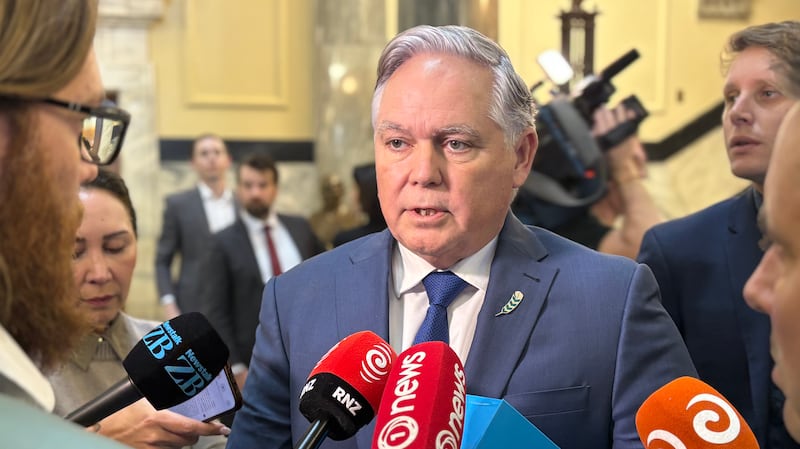
He reiterated that while he was not opposed to rongoā Māori programmes operating in prisons, they would not receive taxpayer funding under his watch.
“I’m not against having those programmes run inside our correction system, but they just won’t be funded by taxpayers.”
Te Pāti Māori justice spokesperson Debbie Ngarewa-Packer disputed the Minister’s characterisation of the programme.
“The Minister’s description is not supported by rongoā expertise or even by his own Government’s health standards.
“Rongoā Māori is a comprehensive healing system grounded in whakapapa, wairua, hinengaro, tinana, whenua and whānau. Mirimiri may be one part of that system, but reducing the entire kaupapa to ‘massages for prisoners’ is deliberately demeaning.”
Ngarewa-Packer questioned the basis for the Minister’s decision.
“Before cancelling a Māori health service within hours, the Minister should release the evidence, explain what outcomes were expected, and tell us which recognised rongoā practitioners he consulted.”
“You do not improve rehabilitation by dismissing the healing systems of the people most disproportionately imprisoned.”
Corrections Deputy Chief Executive Pae Ora, Leigh Marsh, said many people entering prison had significant unmet physical and mental health needs, with many not engaging with healthcare services before entering prison.
“Supporting people’s physical and mental health while they are in prison is often a necessary initial step to ensure they are physically and mentally well enough to engage with offence-focused and addictions-centred rehabilitation programmes.”
Marsh said prisoners were entitled under the Corrections Act to healthcare reasonably equivalent to that available in the community and that rongoā Māori was intended to complement existing health services.
“This has included a rongoā Māori health service, which has been delivered as part of a programme at Christchurch Women’s Prison since late 2024 and piloted at Tongariro Prison since January 2025.”
He said feedback from the Tongariro pilot indicated participants showed “improved physical and mental wellbeing, and the ability to be future focused and motivated.”
The proposed rollout followed a request for proposals released in July. It would have expanded traditional bodywork practices including mirimiri and romiromi, alongside spiritual practices including karakia, whitiwhiti kōrero and mahi wairua, to Northland Region Corrections Facility, Auckland Prison, Auckland Region Women’s Corrections Facility, Spring Hill, Waikeria, Whanganui, Manawatū, Rimutaka, Arohata, Christchurch Men’s, Rolleston, Otago and Invercargill prisons.
Marsh confirmed the procurement process was paused on 4 August after the Minister reiterated his expectations that rehabilitation and reintegration services should focus on skills and education.
He said Corrections Chief Executive Rachel Leota had also commissioned a review of all rehabilitation and reintegration programmes “to better understand service demand, operational requirements, and how these services can be delivered most effectively across the prison network to meet the needs of our current population in line with the Minister’s expectations.”
“As a result, Corrections has paused the current procurement process for rongoā Māori health services.”
Marsh said Corrections would continue to honour referrals made through ACC claims while the review is completed.