

Rangatahi voices took centre stage in Kaikohe this week, as 60 young speakers from 33 schools gathered for Ngā Manu Kōrero.
The national speech competition is about celebrating some of Aotearoa’s strongest young speakers, but also giving local rangatahi a chance to talk about their hopes, aspirations and the future they want to see for their community.
Mihipo Wihongi, a tauira at Te Kura Kaupapa Māori o Kaikohe, says it’s a massive kaupapa for the town and rohe.
“It’s very uplifting seeing all of our communities coming together and everyone from around Te Tai Tokerau coming for this kaupapa, being inclusive of everyone and everyone’s whakaaro tōtika ki te kaupapa, āe.”

A town of 5,000
Kaikohe is home to just over 4,500 people, with more than four out of five residents being Māori. But while Māori rangatahi are a major part of the community, being seen is not always the same as being heard—especially when it comes to decisions about the town’s future.
For the rangatahi taking part in Ngā Manu Kōrero, standing on stage is one way of making their voices heard. But the bigger question is whether those voices will still be listened to once the competition is over.
Wihongi says that in the current climate in Aotearoa, having a kaupapa Māori event in the town reinforces positivity.
“No matter what goes on in our town, no matter what goes on in our country, ko te māoritanga te mea nui, ko te mana motuhaketanga te mea nui o tō mātou taiao o tō mātou motu.”
One kuia spoken to by Te Ao Māori News noted that the kaupapa drew together many iwi from the Far North, all united in providing manaakitanga to those who travelled from outside the rohe.
“Big build-up; today was awesome, the day before with the pōwhiri was awesome, all from the haukāinga.”

What does the future look like?
One of the biggest changes coming to Kaikohe is the development of a new library and civic hub. Almost $40 million is being invested into the project, alongside infrastructure planned to support 365 new homes.
The development is set to create new spaces and services for the community, but for local rangatahi, the question is whether they have a real say in what their town will look like. With projects like this shaping Kaikohe for years to come, young people want to know where their ideas and aspirations fit into the bigger picture.
Kaikohe has often been painted as a town with problems, with its past sometimes shaping the way people outside the community see it. But for the people who live here, that picture does not necessarily reflect where Kaikohe is today.
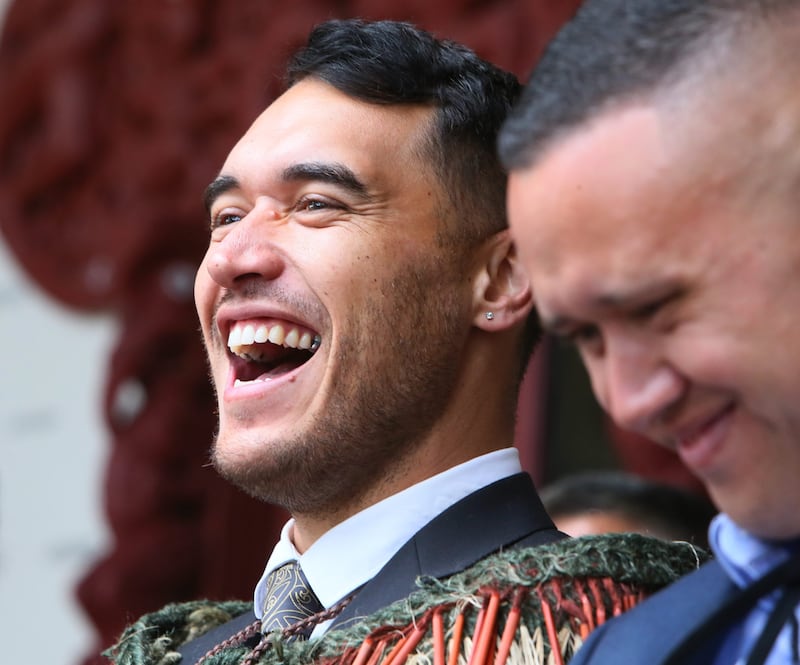
Events like Te Wiki o Te Reo Māori and Ngā Manu Kōrero are bringing people into the town and putting its culture, language and rangatahi in the spotlight, creating opportunities for the community to show a different side of Kaikohe and what comes next.
Moko Tepania, mayor of the Far North District Council, says it’s important that his rohe can leverage the positive aspects a kaupapa like this provides, helping rangatahi envision a future they might not otherwise see for themselves.
“When I got in, and everyone celebrated the youngest mayor and the first Māori mayor, and when I looked at how we were engaging rangatahi voices on our council, it was lukewarm, to be honest, and it’s still a journey we are on right now.
“We’ve just had 30 applications received for our Rangatahi Action Council, which is very exciting, and with rangatahi from this town being involved.”

More than a speech
For whānau, kaiako and community members, Ngā Manu Kōrero is a chance to show just how much potential exists among rangatahi in Kaikohe.
The challenge is making sure that potential does not disappear once the competition is done and the applause dies down. For these young people, the real question is whether the voices being heard on the stage this week will continue to be heard in the places where Kaikohe’s future is being decided.
While Ngā Manu Kōrero finished on Thursday, the aspirations of Kaikohe rangatahi will not.

