

Ngāpuhi uri gathered at Waitangi last week to discuss the iwi’s economic future, with hapū representatives, academics, international leaders, Crown officials, Treaty negotiators and Ngāpuhi working across business and government among those attending.
The three-day hui, Te Aurere Kura (Ngāpuhi Economic Leadership Symposium), was organised by Te Māia o Kaharoa, a group of young Ngāpuhi Leaders who are tasked with developing tools to assist Ngāpuhi as they navigate the government’s settlement process.
The hui was not billed as being about Treaty settlement, but the unresolved settlement process remained part of the wider discussion.

Speakers discussed issues including access to capital, infrastructure, skills, investment and the role of Ngāpuhi entities and hapū in economic development.
The health and well-being of its uri were also pertinent to discussions.
‘Ready to rock and roll’ – Peeni Henare
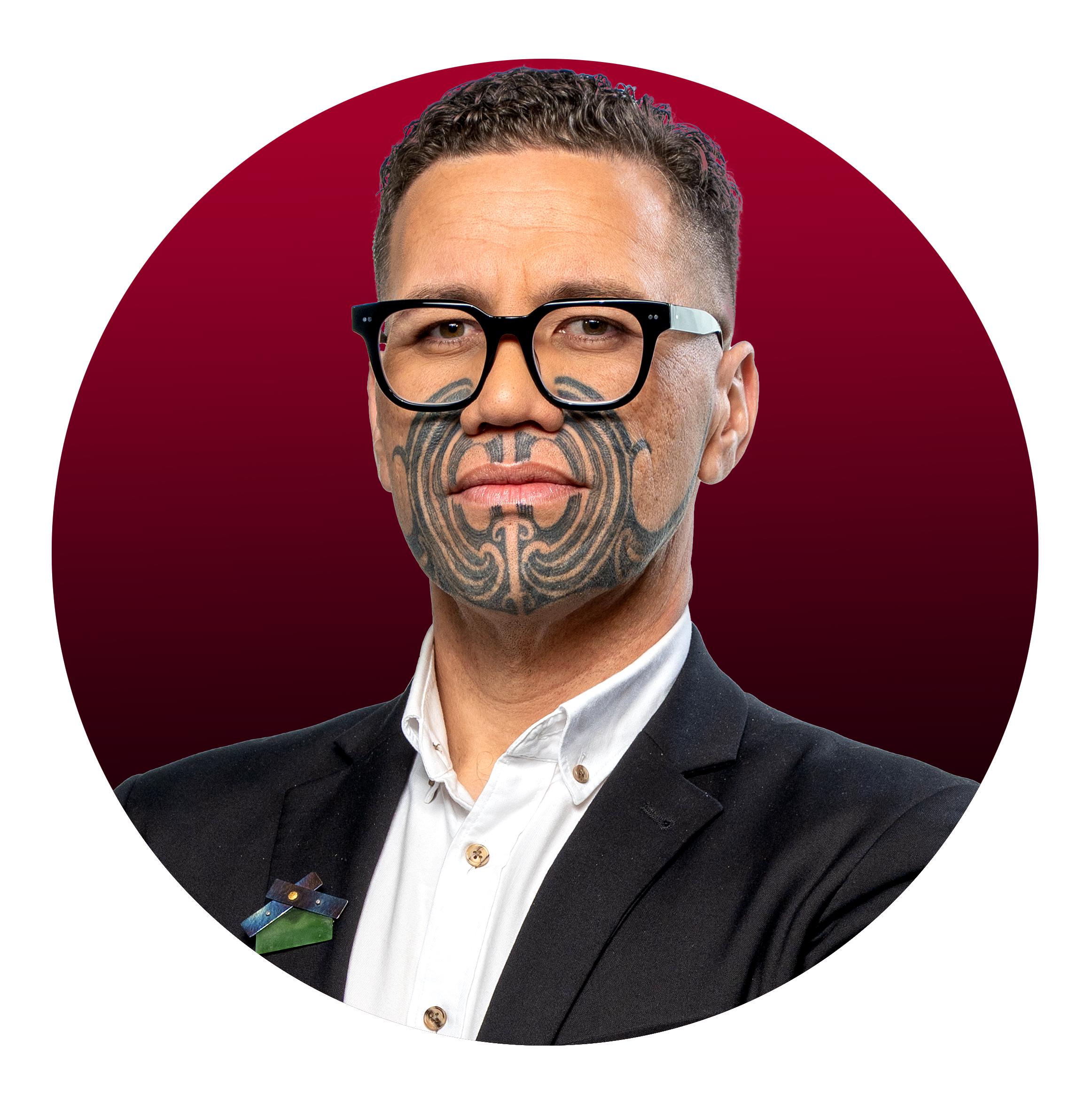
Former Cabinet minister and Te Māia o Kaharoa member Peeni Henare welcomed the opportunity for Ngāpuhi to come together to discuss its economic potential, with Crown negotiators also attending.
“Ko te kura huna ka riro mai ki te pīnati. The thing that I’ll take away the most from this hui is two things. One, te kotahitanga o Ngāpuhi. Unity is our strength. Our numbers are our strength. The more we come together, the better.”
“And then secondly, and I think just as importantly, well, I’m so excited because we’ve got multiple generations here working together for the future. We’re fierce, we’re ready, and we’re ready to rock and roll,” he said.
The country’s largest iwi remains without a comprehensive Treaty settlement with the Crown, while the government continues to grapple with how the authority of the tribe’s many hapū should be represented.
The Waitangi Tribunal previously found the Crown’s approach to a single Ngāpuhi mandate undermined hapū rangatiratanga.
The Crown has since supported a more hapū-centred approach.
The Crown described the return of Kororipo Pā to Ngāti Rēhia in January 2026 as its first redress to Ngāpuhi, marking progress but not a comprehensive settlement.

The settlement process and the potential benefits of settlement were considered alongside wider questions about Ngāpuhi’s economic development, including how the iwi can build its economic base and develop opportunities for future generations.
Among those in attendance was Ripeka Evans, a Ngāpuhi leader with decades of experience in Māori economic development, iwi organisations and Crown relationships.
She said she was confident in Ngāpuhi’s leadership and capability.
“Confidence is what sits in my puku at the moment. Confidence in our own ability and in the leadership of Ngāpuhi, particularly of the wāhine of Ngāpuhi to carry us forward, to carry the generations forward, to build our economic base but also to build our people that are going to build that economic base and steward those assets into the future,” she said.
Evans has worked across the Māori-Crown space throughout her career and was deputy chair of Tupu Tonu, the Crown-owned Ngāpuhi investment fund established to build a portfolio of commercial assets ahead of a potential settlement.
Tupu Tonu has provided Ngāpuhi with an investment vehicle while the settlement process continues.
The hui also considered the role of investment, capability and economic development in supporting Ngāpuhi’s future.
The next steps for Te Māia o Kaharoa include continuing the discussions around Ngāpuhi’s economic opportunities and priorities, with further wānanga planned for the future.