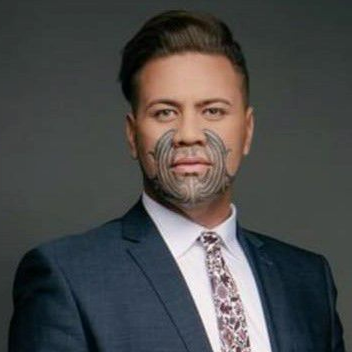

Lisa Brophy is proud to call Kaikohe home. She grew up there, went to school there, and her parents are life members of the local RSA and bowling club.
She describes Kaikohe as a town with a big heart. But she says it is also carrying the weight of a growing methamphetamine crisis.
“We’ve been at breaking point for years.
“As a community, we’re over the harm that seems to increase with no increase in supports and resources. We had 12 homicides in that year. Three of them were infants and children, and something had to be done,” she said.

The latest police wastewater testing shows Northland remains the country’s highest meth-consuming district per capita, with meth use still elevated in 2026.
After 25 years teaching across kura in the region, Brophy now coordinates Ngāpuhi’s response to meth harm through Te Kāhui Mārohirohi.
“Meth doesn’t live alone. It lives in trauma, it lives in negative spaces, and it survives alongside mental health issues, depression, and other horrific factors,” she said.
Launched last year, Te Kāhui Mārohirohi brings together iwi, government agencies and community organisations in a coordinated effort to reduce meth harm.
Te Rūnanga o Ngāpuhi chair Mane Tahere said one of the biggest challenges is a lack of resources, with frontline services struggling to meet demand.
“We have commissioned a report. We’ve been doing our own task force. We’ve identified the gaps, which are not always new, but we’ve come here after the last 12 months with solutions around what a community solution to this all looks like,” he said.
In June, police targeted organised crime groups in Northland, shutting down several suspected meth labs. But community leaders say that while enforcement is important, it addresses only part of the problem, with meth continuing to flow into New Zealand through international trafficking networks.
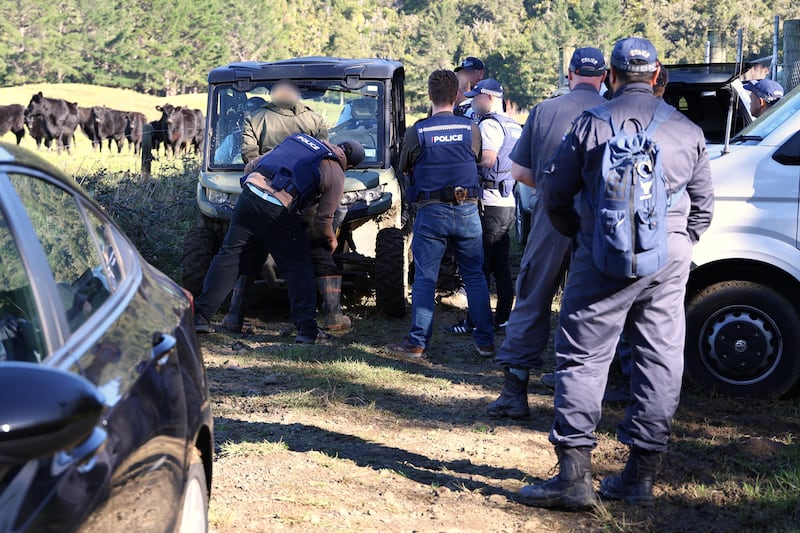
Tahere said the community will benefit from the police action, but people connected to the suspected labs also have whānau who will be affected.
“We’re calling for a multi-dimensional approach, and we have done since raising concerns last year with the police minister and local commissioners around the numbers. It’s still concerning around reports of deficits within the policing teams in Te Tai Tokerau.
“Although the local police commissioners assured us there are long-term plans, I do have to give credit where credit is due.”
Community leaders say national border efforts must be matched by local treatment, prevention and whānau support. Budget 2026 included $81.5 million to strengthen Customs, funding tighter border security and four new overseas posts aimed at disrupting international drug trafficking.
Te Kāhui Mārohirohi says it will remain committed to the kaupapa until whānau see real change, including safer homes, stronger treatment pathways and reduced meth harm across Kaikohe and wider Te Tai Tokerau.