

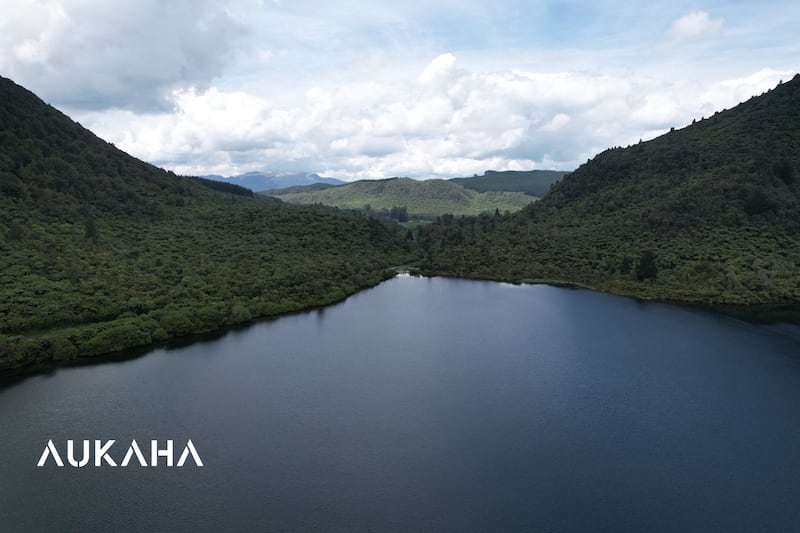
The Rotokākahi Board of Control and descendants of the lake have gathered in Rotorua this week as their High Court challenge against the Rotorua Lakes Council gets underway. They are opposing the Council’s Tarawera sewer pipeline project, which they say breaches tapu, damages wāhi tapu, and threatens the long-term safety of the sacred lake.
The Board has filed both a judicial review and an appeal of an Environment Court decision, arguing the Council failed to properly consult mana whenua and pushed ahead with drilling through areas known to contain koiwi tangata, burial sites, and historic village remnants. They say the earlier ruling did not give proper weight to the cultural, spiritual and historical significance of the whenua and moana.
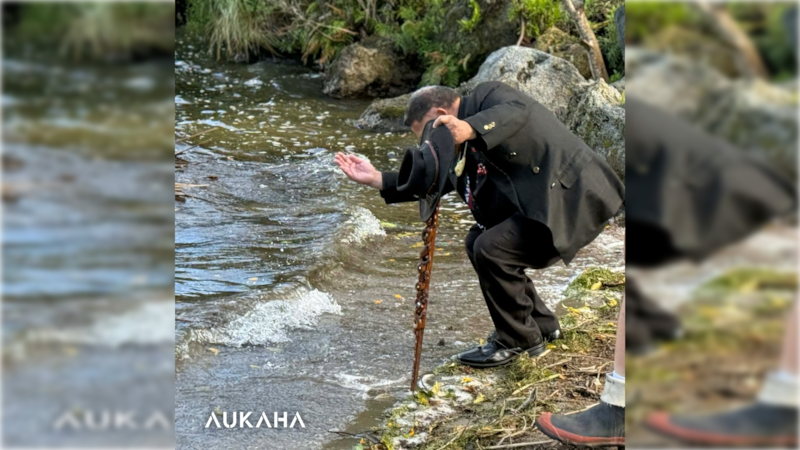
The day began with karakia on the shores of Rotokākahi, where uri gathered to settle the waters of their tapu lake before continuing the fight in court. For many, the issue is deeply personal, grounded in whakapapa and generations of kaitiakitanga.
“We’re tired,” said Te Whatanui Skipwith, māngai for the Rotokākahi Board.
“But this is the fight for all of us. We’ve been here for generations, and we’ll continue to be here for generations to come. If anything gets paru or damages our tūpuna, the expectation won’t be on the council to fix it, it will be on us.”
Concerns pipeline risks pollution
The Board says the sewer pipeline, installed across land near the lake and beneath the Wairoa Stream, carries a real risk of a future spill that could contaminate Rotokākahi and flow into Lake Tarawera.
“This is about preventing further desecration,” Skipwith says.
“None of this would have happened if the council had listened to mana whenua and brought us into the conversation earlier.”
Tūhourangi kaumātua Hone Nuku Tarawhiti says the council’s works have already damaged significant sites.
“I was amazed at the support at court today - the flags flying, the unity of Tūhourangi, Ngāti Wāhiao and Tūmatawera,” he adds.
“But we don’t want to keep seeing our sacred sites damaged. Our hope is that the pipes are removed and taken elsewhere.”
He says many in the iwi fear the council does not fully understand the gravity of what has been disturbed.
Affidavit evidence: kōiwi, tapu and drilling
Evidence before the court includes an affidavit from Board co-chair Peter Moke, who says the pipeline was drilled through areas containing koiwi tangata and sites of historical occupation. He says deep drilling, high-pressure water blasting and soil “mulching” meant any disturbance to bones would not have been visible.
Moke describes the entire Rotokākahi catchment as tapu due to past warfare, burials and losses from the 1886 Tarawera eruption. Any leak from the sewer pipe, he warns, would be “an extreme breach of tapu” with severe spiritual consequences.
Support gathers outside court
A large group of uri and supporters filled the courthouse and grounds, carrying iwi flags and offering karakia throughout the day. Seeing the turnout, Tarawhiti said he felt emotional and uplifted.
“The signs of today were clear. The waves of concern within us are strong - but we will stand in this Pākehā house, the court, for our lake.”
The High Court hearing continues, with the Board seeking orders that could halt the pipeline, require its relocation, or overturn the Environment Court’s decision. Council lawyers are expected to present tomorrow.
“We’re just happy to finally be heard,” Skipwith said.
“But we shouldn’t have had to fight this hard to protect our own lake.”