

A Māori-led drone trial on Matakana Island is giving residents a new way to access medical supplies and emergency equipment, in a first of it’s kind project for Aotearoa.
The trial, a partnership between VertiLink and Ngāi Te Rangi, successfully delivered medical gear, medication and kai across the harbour from Ōmokoroa to Te Kutaroa Marae.
The aim is to help reduce long wait times for emergency support on the island, where travel by boat or ferry can take between 15 and 40 minutes, and helicopter response times can stretch up to an hour.
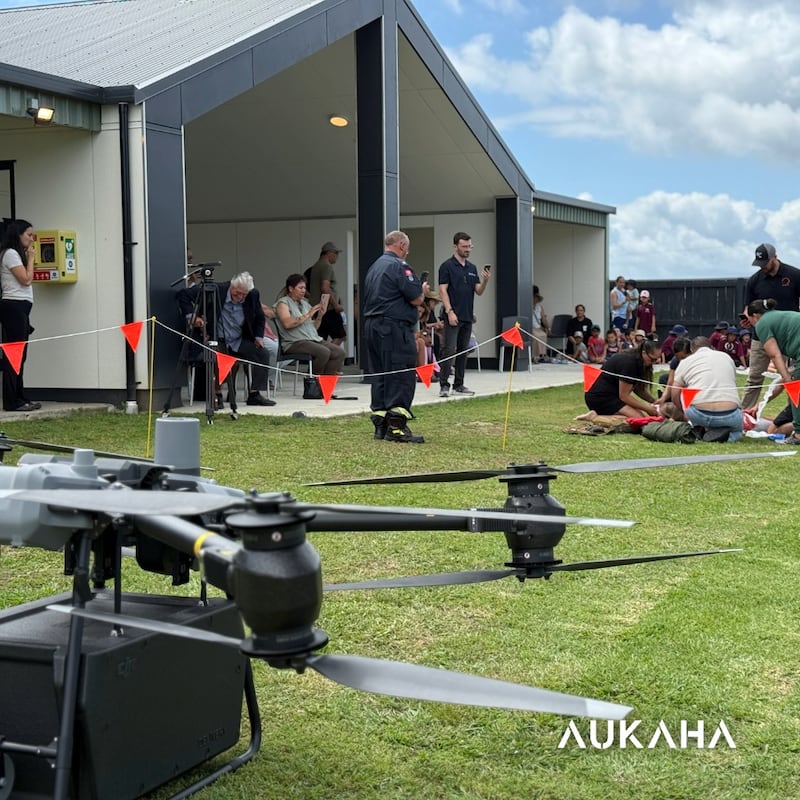
For resident and first responder Te Pare Douglas, the need is real.
“Car accidents, motorbike accidents.”
Both her elderly parents and whānau members have been choppered out in the past.
“The drone system gives them another way to support each other when medical help is far away,” says Douglas.
VertiLink CEO Charlie Nelson says the trial shows how unmanned aircraft could support isolated communities across the country.
“Great to see the unmanned aircraft facilitate that process and end up with a good result today.”
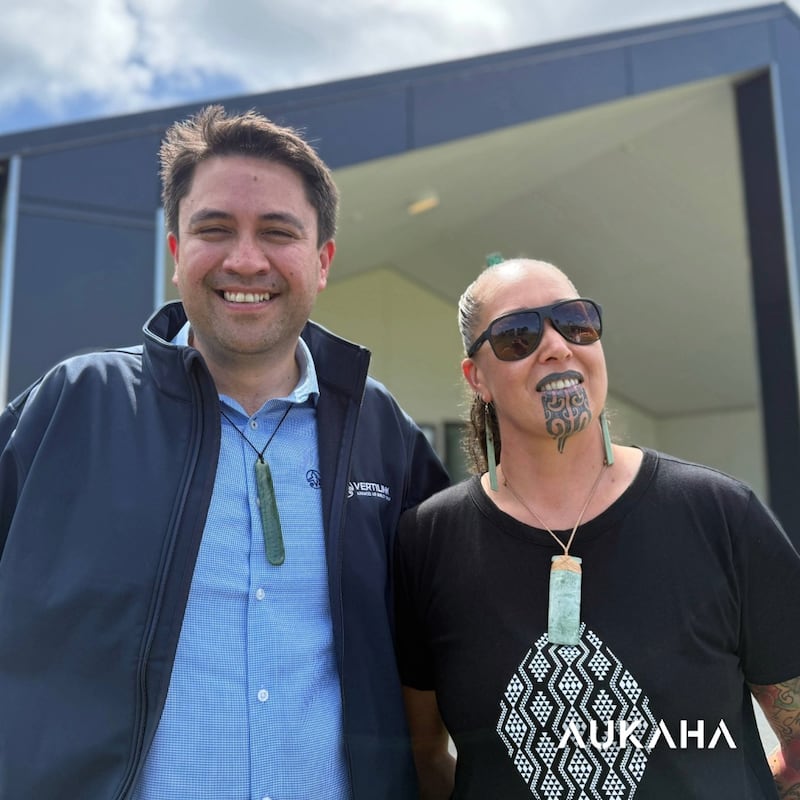
VertiLink and Ngāi Te Rangi have spent more than a year preparing the project, which is the first medical drone delivery trial of its kind in New Zealand. Nelson says recent weather events, such as Cyclone Gabrielle, have highlighted how vulnerable isolated communities can be when roads and infrastructure are cut off.
Ngāi Te Rangi representative Julian Rolleston says the trial is an important step in helping the community adapt to new technology.
“The iwi wants to explore opportunities that can support residents.” Says Rolleston
“There is support and opportunity in this project for us who live here in Matakana.” Says Rolleston
Douglas says the community has very limited medical resources, with only one nurse living on the island. She believes the drone system could make a real difference during emergencies.
“If we have an emergency, sometimes we have to wait for choppers, and that could be up to an hour.”
“ We can there’s only minimal what we can do to help a patient, but we trained to do as much as we can with the resources we have. ”
For now, the successful trial means medicine, equipment and even kai can fly in and out much faster than before, giving Matakana Island residents another way to stay connected and supported.