

After two and a half years and coinciding with the 60th anniversary of its construction, Te Puea Marae was officially reopened today following a series of major refurbishments.
The marae closed to address long-standing maintenance issues and undertake significant upgrades to its buildings and carvings.
During the closure, essential structural repairs, reroofing and internal strengthening were completed to ensure the wharenui and wharekai can continue to host community gatherings, poukai and wānanga safely.
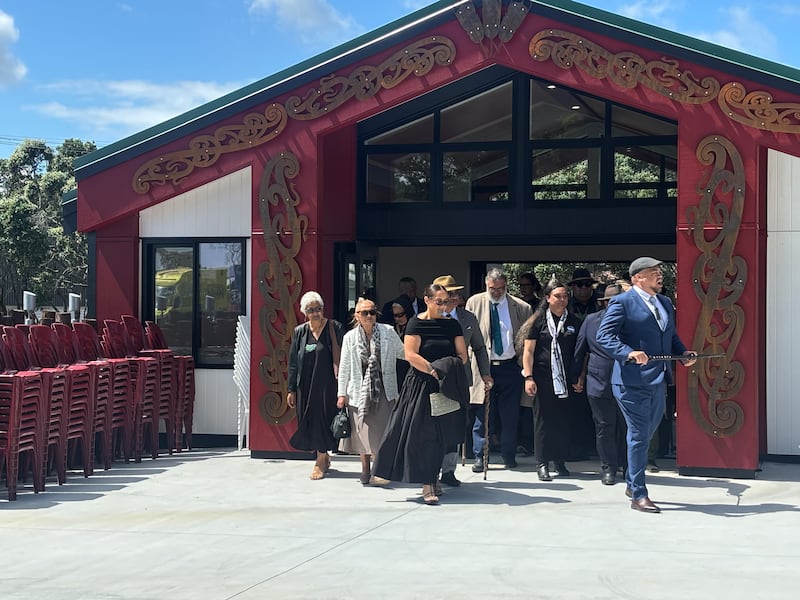
The upgrades will expand the marae’s capacity to support whānau through its housing and social-service programmes, as demand for community-led support continues to grow across Tāmaki Makaurau.
Project manager Nick Wanakore Hērangi says it was a life-changing experience.
“It is the most gracious thing I’ve ever done in my life.”
A major component of the refurbishment focused on restoring and conserving the marae’s carvings.
Skilled carvers and conservators repaired weathered kōwhaiwhai and tukutuku panels, re-oiling and re-painting carved elements to preserve their detail and cultural integrity.
The renewal was aimed not only at repairing damage but at future-proofing the marae’s taonga for generations to come.
Wanakore Hērangi says a lot was done to ensure the marae was given the refurbishment it deserved.
“Everything is brand new. A lot of the taonga that we took out wasn’t to be reused. We buried it under the footings and even under the concrete path.”
Mō te pani, te pouaru me te rawakore
Te Puea Memorial Marae, based in Māngere Bridge, was established in 1965 and is recognised as Auckland’s first urban marae, providing cultural grounding for Māori who migrated to the city during the post-war period.
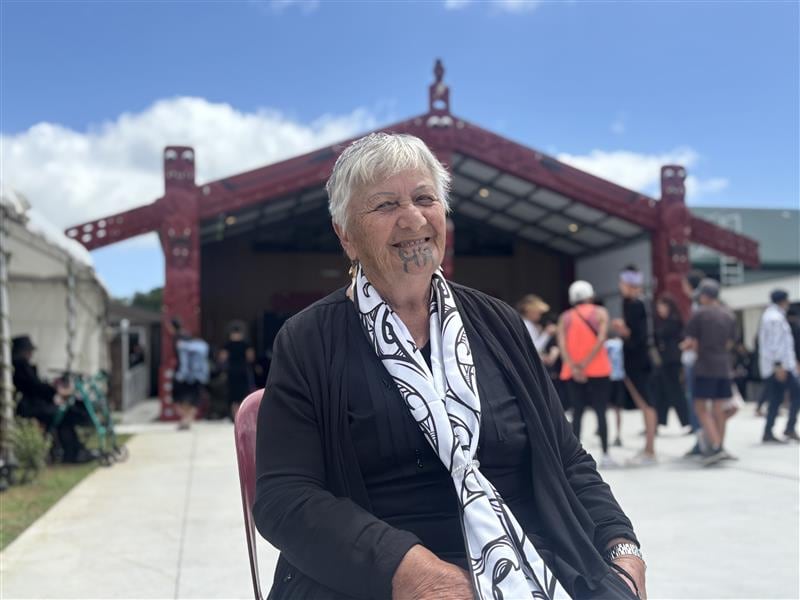
85 year-old Kaanga Skipper is one of the elders who grew up in Mangere. She says Te Puea has been a safe haven for the masses and those in need.
“Koinā ka rongo koe i a rātau e kī ana, mahingia te mahi. Koinā tā rātou kupu, koina te mahi. Kua kaumātua au i runga i tēnei marae.
“Koinei taku hononga ki konei. Karekau he wāhi i tua atu mōku.”
Named after the revered Waikato leader Princess Te Puea Hērangi, it was envisioned as a place where tikanga, whakapapa and community support could be upheld for whānau moving away from their traditional kāinga.
Marae kaumātua, Morehu Kara, says the kaumātua wanted to ensure the refurbishment of the marae was completed as soon as possible.
“Ko te whakaaro o ngā kaumātua i tēnei marae, kia whakatika tō tātou marae. Kaua e waiho tēnā mahi mō ngā hunga rangatahi, mō ō tātou mokopuna. Kia whakatika ināia tonu nei.”
Created with support from the Kīngitanga and local community leaders, the marae quickly became a hub of cultural revitalisation, hosting wānanga, kapa haka, reo classes, poukai, and civic events that reconnected urban Māori with their heritage.
Over the decades, it has played a central role in Māori social wellbeing, offering youth initiatives, kaumātua programmes, and community services.
A place for those in need
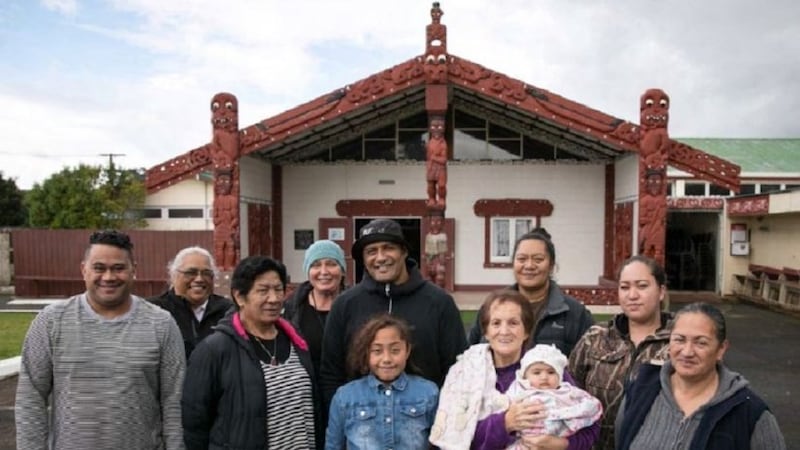
The marae gained national recognition in 2016 when it opened its doors to families experiencing homelessness.
Its Manaaki Tangata initiative, driven by volunteers, kaumātua and marae leadership, demonstrated how tikanga Māori could address severe social need. Whānau were welcomed with manaakitanga and provided wrap-around support, including health care, budgeting, education pathways, and long-term housing placement. The programme helped hundreds move into stable accommodation and inspired similar efforts at urban marae across Tāmaki Makaurau, influencing national conversations on homelessness and Māori-led solutions.
Whānau will be at the marae for the weekend, as the marae sets up for a mokopapa wānanga on Saturday.

