


In its longest and most critical review of New Zealand to date, the UN Committee on the Elimination of Racial Discrimination (CERD) has raised alarm over sweeping government reforms it says risk breaching Māori rights.
CERD monitors, reviews, and guides State Parties, such as New Zealand, on how they are implementing the legally binding International Convention on the Elimination of All Forms of Racial Discrimination.
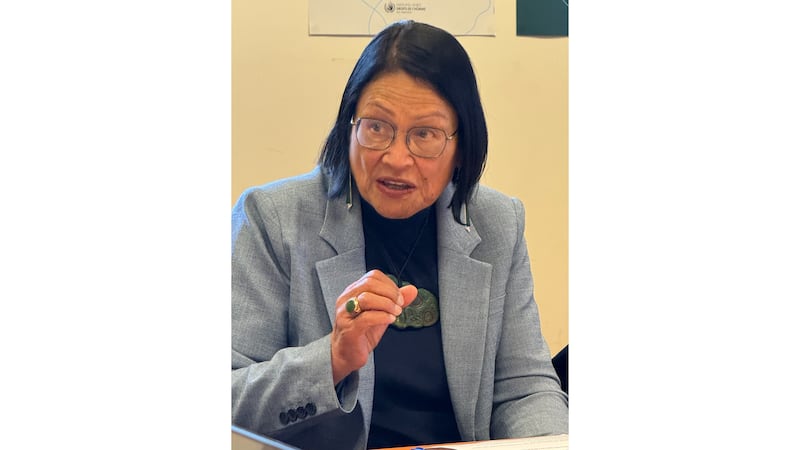
Commenting on the report, Lady Tureiti Moxon said: “This report is unprecedented in both its length and its language. CERD is clear: New Zealand is moving backwards on racial equality, and Māori rights are under serious threat.
Māori land rights and environmental concerns
The committee expressed serious concern about Māori land rights in Aotearoa. To date, only a small fraction of land, resources, and territories have been returned, with redress often limited to symbolic measures like apologies or monetary compensation.
The committee highlighted that Māori participation in decisions affecting their traditional lands and resources is often limited, with insufficient opportunities for meaningful engagement or free, prior, and informed consent. It called on New Zealand to improve settlement processes, expand redress options, and ensure that legislation, regulations, and administrative practices fully respect Māori rights to self-determination, ownership, use, and control of traditional lands and resources.
The report noted that environmental degradation and climate change pose additional threats to Māori health, livelihoods, and cultural identity. The committee urged for measures to address the disproportionate impacts on Māori. Its recommendations included ensuring full participation in policy and decision-making, strengthening protections for land, waterways, coastal areas and taonga species, and committing to long-term restoration and climate-adaptation planning.
Obligations to Te Tiriti o Waitangi
The committee recalled its previous recommendations for New Zealand to uphold its commitment to Te Tiriti o Waitangi and to take measures to counter misinformation and divisive narratives regarding the Treaty, promoting public understanding of its role in advancing harmony and equality.
CERD expressed concern that recent initiatives to reinterpret the Treaty and its established principles have been made without ensuring free, prior, and informed consent or meaningful engagement of Māori.

Despite these international concerns, the Minister for Māori Crown Relations, Tama Potaka, has denied that the government is dismantling Te Tiriti-based frameworks.
In October, Green Party MP Teanau Tuiono asked Potaka in Parliament about concerns raised by Te Hunga Rōia Māori and other groups regarding alleged erosion of Māori rights and racial discrimination in government reforms.
Tuiono cited statements describing these reforms as undermining Te Tiriti o Waitangi and potentially breaching international obligations, including the Convention on the Elimination of All Forms of Racial Discrimination. The Minister rejected these characterisations and also denied any “coordinated campaign of Treaty racism” or efforts to delegitimise Te Tiriti o Waitangi.
Racism and hate-motivated violence
The committee expressed grave concern about the 2019 terrorist attack in Christchurch. While welcoming the establishment of the Royal Commission of Inquiry into the attacks, it noted limited progress in implementing the Commission’s recommendations, which aimed to improve social cohesion and prevent hate-motivated crimes and hate speech, both online and offline.
The committee highlighted the ongoing problem of racist hate speech by politicians and public figures, expressing concern about its persistence and calling for unequivocal condemnation and effective accountability measures to address it.
The report stated that although most reported hate-motivated offences target a person’s ethnicity, hate motivation is rarely invoked as an aggravating factor in prosecutions and sentencing, noting continuing incidents of racially motivated attacks targeting Māori, Pasifika, people of Asian, African, and Middle Eastern descent, as well as Muslim and Jewish communities.
The committee recommended accelerating implementation of the Royal Commission’s recommendations, strengthening legislation to respond to hate crimes, improving data collection on hate speech, and ensuring all cases are impartially investigated. Awareness-raising and education programmes should also be enhanced, the committee stressed.
The report noted that far-right extremism and white supremacism remain significant national security threats, yet these groups have often been able to promote racial discrimination with limited accountability. The committee urged New Zealand to bring legislation fully in line with Article 4 of the Convention, declaring illegal and prohibiting far-right extremist, white supremacist, and other racist organisations and propaganda.
Finally, the committee expressed concern about persistent racial stereotypes and recommended intensifying efforts to prevent and counter them, including revising educational curricula to promote understanding of historical injustices and the legacies of colonialism.
The committee also called attention to the lack of progress in adopting a National Action Plan Against Racism and the absence of a national plan to implement the objectives of the United Nations Declaration on the Rights of Indigenous Peoples (UNDRIP). It urged New Zealand to fully give effect to the Convention, including through the implementation of both frameworks, to strengthen efforts to combat racism and uphold Indigenous rights.
Children and youth at risk
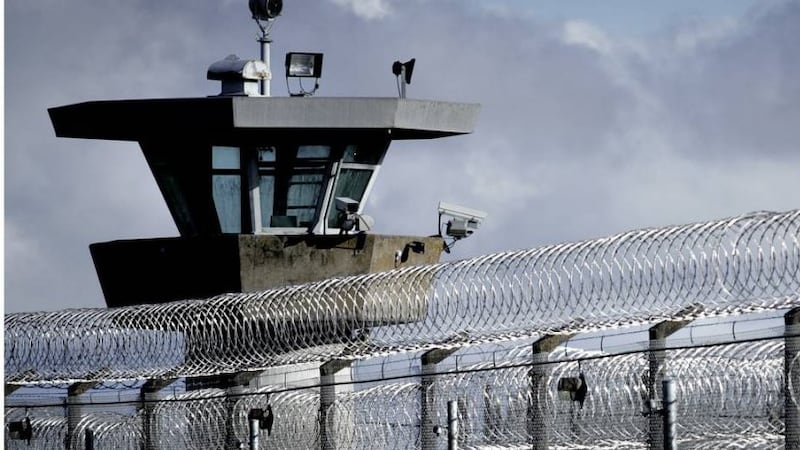
CERD expressed concern over proposals under the Oranga Tamariki (Responding to Serious Youth Offending) Amendment Bill (2024), especially the introduction of military-style “boot camps” for young people, citing documented risks of harm and abuse. The committee urged New Zealand to adopt holistic, human-rights-based, community-focused approaches that prioritise rehabilitation, support, and addressing the root causes of youth offending in collaboration with affected communities.
The committee highlighted the risk that the repeal of Section 7AA of the Oranga Tamariki Act exposes Māori children to abuse, neglect, and further alienation from Māori structures, cultural identity, and whakapapa, and believed it should be restored to enable a “whanau-first” placement approach.
The disestablishment of Te Aka Whai Ora and budget cuts
CERD criticised the disestablishment of Te Aka Whai Ora and significant budget reductions affecting the Ministry for Ethnic Communities, the Ministry for Pacific Peoples, and Te Puni Kōkiri, warning that these weaken New Zealand’s institutional framework and risk systemic discrimination.
It recommended revitalising the Māori Health Authority or establishing similar bodies composed of Māori and Pacific health experts to reduce health disparities.
Human Rights Commission and Māori Wards
The committee also noted serious threats to the independence of the New Zealand Human Rights Commission, including calls by politicians to dismantle it, reduced resources, and a lack of an explicit mandate to monitor human rights violations. CERD urged strengthening the Commission and protecting it from political interference.
Political participation was also highlighted, with the committee warning that the removal of Māori wards and certain legislative proposals may undermine the political rights of Māori and Pacific peoples.