

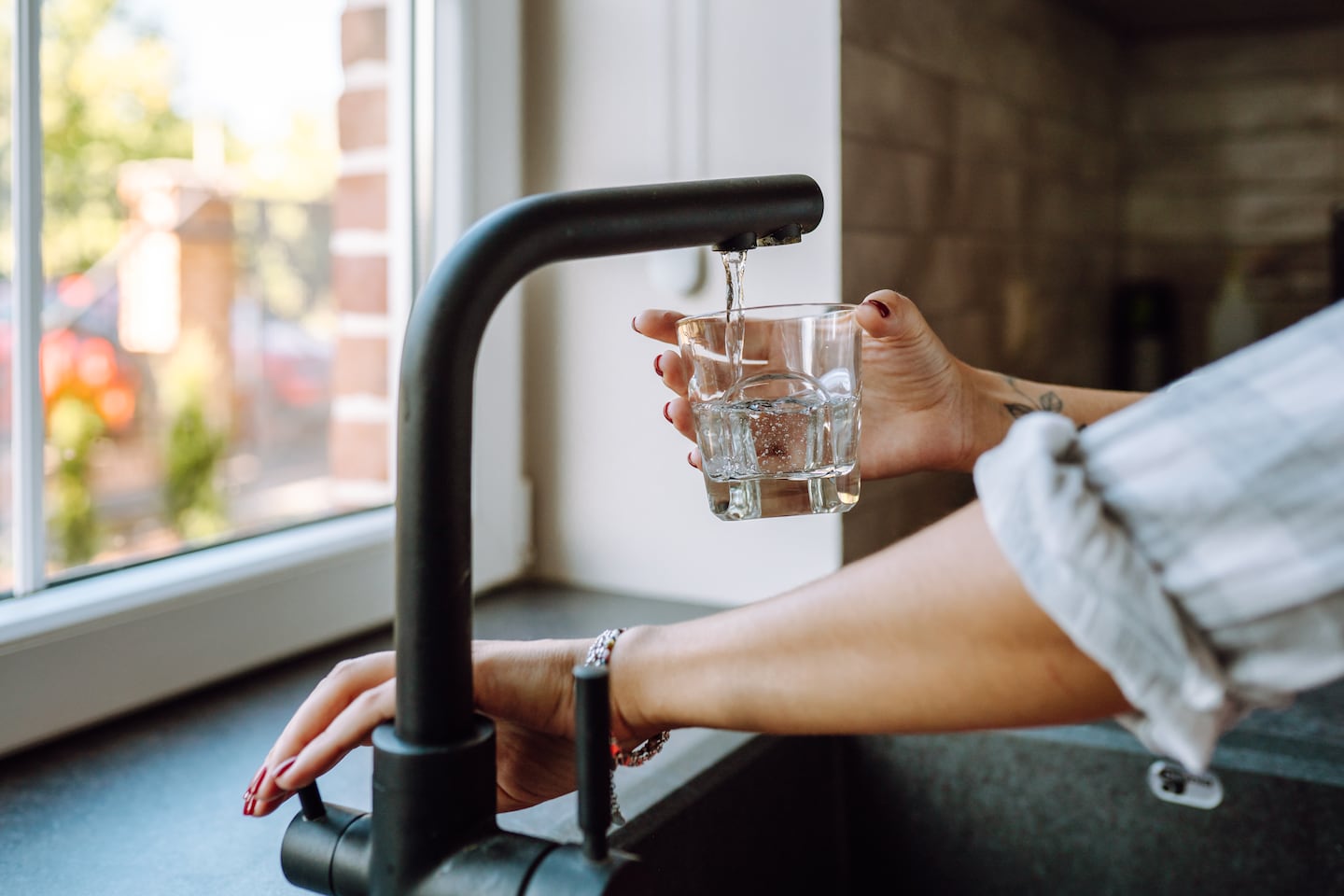
As summer gets under way and whānau head off to campgrounds and holiday homes, Water New Zealand is urging holidaymakers to check their water supply on arrival.
Chief executive Gillian Blythe says many small and rural communities including some council-run water schemes do not have the same level of treatment and protection as large urban systems.
“There has been some improvement in publicly supplied water. More councils now have sufficient treatment in place to protect against protozoa and bacterial infection.”
Despite that, Blythe says almost 400,000 New Zealanders are still receiving water from council supplies that lack one or more critical barriers to safety.
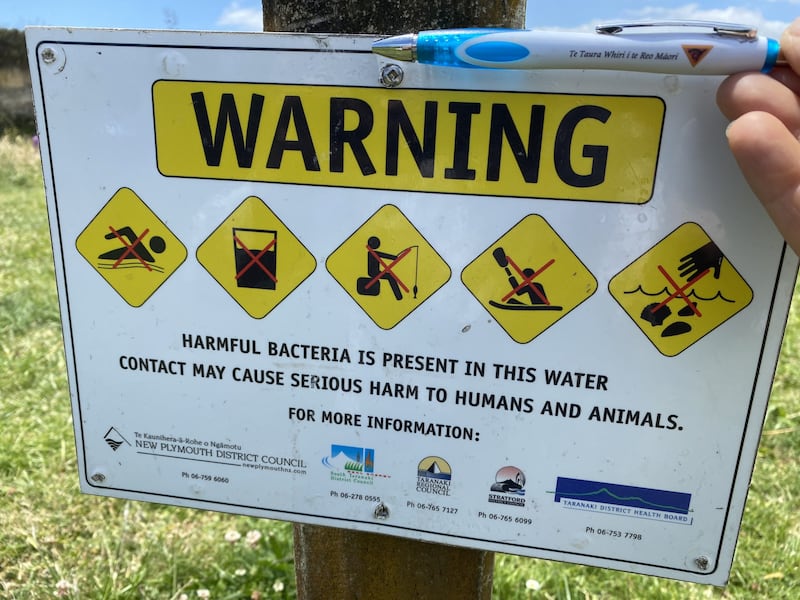
Water NZ is also warning whānau in small rural communities who rely on tank or groundwater to take extra care. They say all water from these sources should be treated or boiled before drinking to ensure it is safe.
“Tank water at holiday homes and campsites can easily be contaminated by vermin or bird droppings. If your water is from a public or council supply, keep an eye out for boil water notices.”
“When a boil water notice is issued, it means E. coli has been found, usually from faecal contamination.”
Holidaymakers are urged to take simple precautions. Boiling water, using certified filters, and following council notices are effective ways to stay safe.
Kia mataara
Blythe also advises caution when swimming in rivers, lakes and at the beach, particularly in the two to three days after heavy rainfall, when runoff and sewage overflows can increase the risk of E. coli contamination.
“It’s a good idea to check the LAWA website for information on the quality of water in your region and at your swimming spot.”
Over the past three years, New Zealand has seen a steady number of E. coli infections. About 1,022 cases were reported in 2022, 1,006 in 2023, and 723 in 2024, according to the Enteric Reference Laboratory.
Rates are highest among young children and other vulnerable groups, showing that E. coli continues to be a public-health concern across the country.