

Whether it was encouraging thousands to make submissions on both the Treaty Principles Bill and the Regulatory Standards Bill or navigating the drama of MP expulsions, Rawiri Waititi says it was a good year.
When asked how the wairua among the ranks got so bad, he says he is still trying to understand.
“Kāre au e mōhio kei te whanga tonu mai, kia puta anō hoki, kei hea ngā raruraru, kei hea ngā breaches i roto i te constitution i hē nei Te Pāti Māori, nō reira kei te whanga tonu mai kia puta wērā tūāhuatanga,” he says.
Mariameno Kapa-Kingi and Tākuta Ferris were expelled after Te Pāti Māori ruled they had committed “serious breaches” of its constitution, including undermining party unity and leaking internal disputes. Both MPs denied the claims and said the process breached the party’s own rules.
The High Court reinstated Kapa-Kingi, ruling her expulsion may have involved serious procedural flaws.
“Kua heipū nei ngā raruraru ki runga i a mātou, kāore mō te hū nei i tērā tūāhuatanga, engari ko tāku ki te iwi, he pai noa mā tātou anō tātou e kōrero ki roto i tā tātou whare,” Waititi says.
Despite the raruraru, he acknowledged widespread support for the party. He says there is work ahead in the lead-up to the election, but there have been some wins.
“I roto i te rima tau i te hei pūtanga mai o tēnei kaupapa hou a Te Pāti Māori, kātahi anō kua kite i te whakapono a te iwi Māori ki a ia anō me te mea hoki kua tino tū tātou i roto i a tātou anō me te kite i te ao Māori te mana kei a tāua. Nō reira kei te kipakipa tonu te manawa i runga i tērā tūāhuatanga.”
Waititi also reflected on the party’s legislative efforts, saying the submissions on the Treaty Principles and Regulatory Standards Bills demonstrated a level of grassroots engagement he hadn’t seen before. Thousands of whānau, hapū, and iwi took part, he says, providing a mandate for the party to push forward kaupapa Māori issues in Parliament.
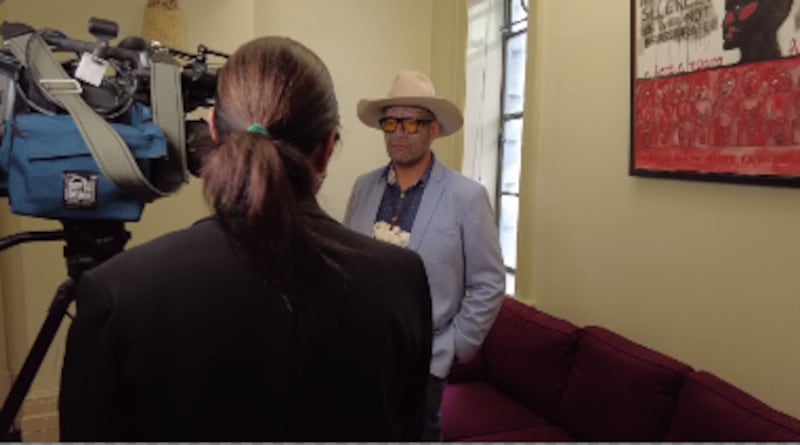
“The engagement from the people has been incredible. It shows me that Māori want to see real change in how legislation impacts our communities, and they are ready to stand behind a party that fights for that,” he says.
He acknowledges that the challenges with internal unity have been a distraction, but believes the party is learning from the experience. Waititi says part of the work ahead is ensuring processes are clear and disputes are resolved transparently, so similar issues don’t derail their kaupapa in the future.
With the holiday season approaching, he implores whānau to ‘whakatā’.
“Kua rongo tātou i te hamahama nei o tēnei kāwanatanga i a tātou. Kei te mamae te iwi i runga kei waho kē ake i tēnei whare, nā ō rātou whakarite ture ki te aukatingia tātou, tā tātou reo, tā tātou oranga me Te Tiriti o Waitangi. Nō reira, ko tāku ki te iwi me whakatā tātou, me whakapiki kaha.”
He also said the party will continue to focus on practical outcomes for Māori, from housing and education to health and climate resilience. “Ko te mahi nui kei mua i a tātou, engari kāore mātou i te whakarere i te whānau Māori. Me tū tonu tātou, me kaha tonu tātou ki te whai wāhi ki te hanga i te ao e tika ana mō ngā uri whakatipu.”
Even with the internal challenges, Waititi said the sense of purpose within Te Pāti Māori remains strong. He emphasised that the party’s foundation rests on representing Māori interests authentically and keeping Te Tiriti o Waitangi at the centre of their work in Parliament.
