
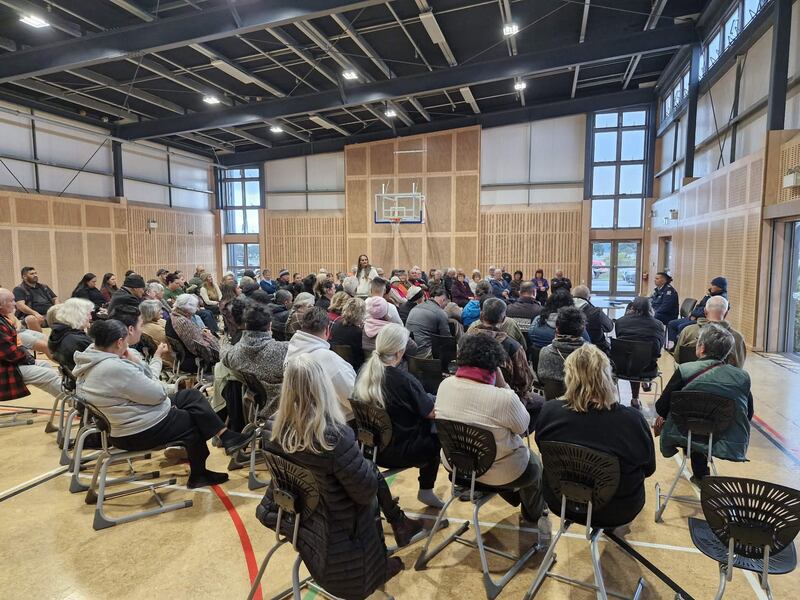
Whānau, community members and local agencies gathered at a hui on Wednesday to discuss ways to keep people safe amid growing concerns about violence, mental health and methamphetamine in Hokianga.
The hui was sparked after the recent death of respected kuia and former Te Kura Kaupapa Māori o Hokianga principal Whaea Tārati Buckley, as well as the unexplained death of a man whose body was found at a Waimamaku property in mid-May.

A month after Whaea Tārati’s death, people returned to her kura to discuss the challenges facing their community, including mental health and what many described as a growing methamphetamine crisis.
During the hui, one local kuia stood and declared she was prepared to learn how to use a gun to protect her whānau.
Principal Whaea Michelle Sarich said the community was still grieving Whaea Tārati’s death.
“Aue ka pouri tonu te ngākau. Ko etahi atu kare ā roto ko te pukuriri anō noki. Ko mātou tērā e hīkoi tonu ana i ōna tapuwae.”
She said many whānau had already changed the way they lived, with some now locking their doors for the first time and installing security cameras.
“Tēnei wā ka noho mātou ki muri i ngā kuaha, ko tēnei te wā tuatahi ka raka te nuinga o mātou i o mātou kuaha. Kua hokona wetahi o mātou etahi o ngā kāmera kia taea e mātou te kite i ngā hunga waho o rātou whare.”
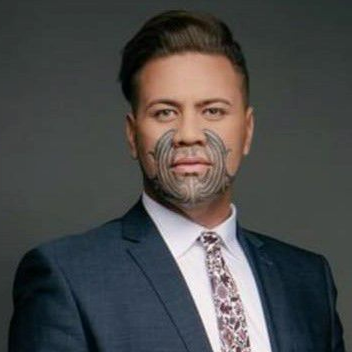
Local alcohol and drug support worker Manarangi Puhi, who was addicted to methamphetamine for 20 years, has lived in Hokianga for seven years. He said the drug problem had worsened significantly.
“I’m not one to water things down. It’s everywhere - since I’ve been working here, it’s hit us hard. Yea its pretty bad - fentanyl, cocaine all types of stuff without saying too much.”
Police Minister Mark Mitchell acknowledged the fear being felt across Hokianga and praised the community for coming together. He pointed to recent police operations that dismantled methamphetamine labs but said enforcement alone would not solve the problem.
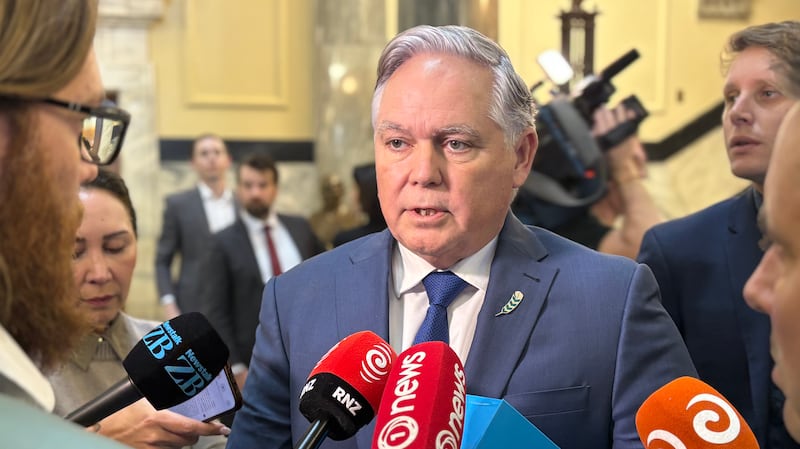
“Police have got great relationships with local government, with community organisations, with iwi and hapū. Everyone is working together to try and really get on top of the scourge of the drugs. We all see the damage that it does to our communities. The Hokianga is feeling it right now.”
Green MP and Te Tai Tokerau representative Huhana Lyndon attended a similar hui in Waimamaku earlier this week. She said whānau were still reeling from the recent deaths and wanted more support from health services and police.
“I rongo ahau i taua mataku, anō tō rātou hiahia - kei hea te ringa tauawhi ki a rātou he mea nā ngā ratonga hauora, nā ngā pirihimana, kei hea tērā momo awhi?. Me pēhea rātou e noho ki roto i te kāinga, ki roto i tō rātou ake whare, ki roto i ēnei momo raru o te wā.”
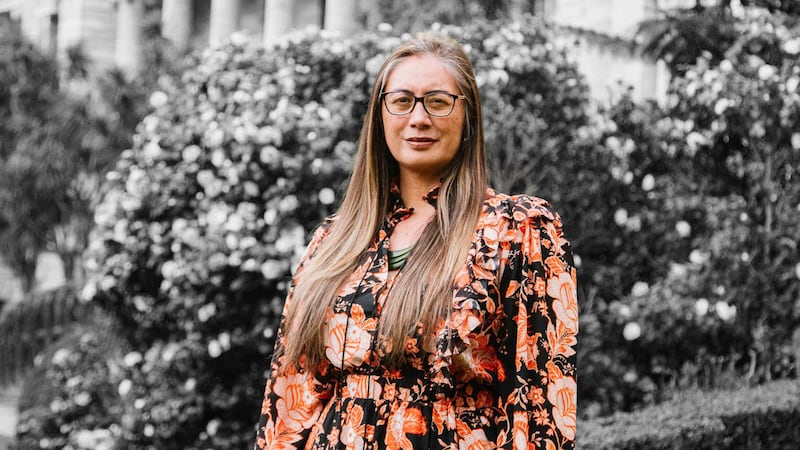
She commended her whanaunga in Hokianga for creating a space where whānau could come together to discuss the challenges they face and decide on the way forward.
Te Pāti Māori co-leader Debbie Ngarewa-Packer said rural communities such as Hokianga had not been adequately resourced to deal with addiction and its impacts.
“I think there needs to be real effort and resourcing put into the scale that we are now finding in our communities with the peer addictions and things. I think it starts rightly with the community meeting and being endorsed and supported for what it is that they think they need.”