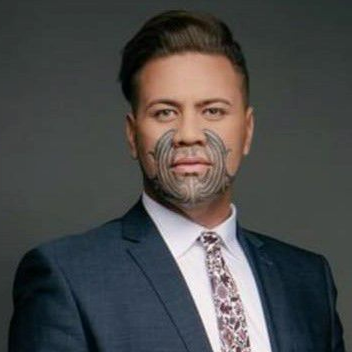


Broadcasting veteran Hone Edwards has spent much of his career telling the stories of others. Forty years after Parliament passed the Homosexual Law Reform Act, he is sharing one of his own.
As New Zealand marks the anniversary of legislation that decriminalised consensual sex between men, Edwards reflects on life as a takatāpui man navigating the gay rights movement, homophobia, the HIV/AIDS epidemic and the long fight for equality.
Speaking from his whare in Hamilton, Edwards recalled living in Auckland during what he described as “an interesting time.”
Throughout the 1980s, members of the rainbow community regularly marched along Queen Street demanding equal rights.
Edwards said those demonstrations were often met with hostility and violence.
“Nā, kua titiro, kua huri mai, kua titiro ki ngā takatāpui e hīkoi haere ana i Queen Street. Nā kua porowhiua mai ngā pounamu pia, ki ngā kaiporotēhi.”

“Wehi tonu atu te nuinga o mātou whakaaro i taku kitenga atu i tērā pukuriri e puta mai ana i roto i ngā haurangi, I whakaaro au, he rerekē anō tēnei mahi, engāri ia tau, ia tau i haere katoa mātou ki te porotēhi.”
The marches unfolded as Parliament debated the Homosexual Law Reform Bill.
Introduced by Labour MP Fran Wilde in 1985, the legislation sought to decriminalise consensual sexual activity between men aged 16 and older. At the time, sex between consenting men was a criminal offence under New Zealand law and carried the possibility of imprisonment.
The bill sparked one of the country’s most divisive social debates. Despite fierce opposition, Parliament passed the bill on July 9, 1986, by a vote of 49-44. The legislation marked a turning point for LGBTQ+ rights in New Zealand, although it did not end discrimination against gay men.
Edwards said he never discussed the bill with his brother-in-law, Koro Wetere, the Labour MP for Western Māori. Parliamentary records show Wetere voted in favour of the legislation.
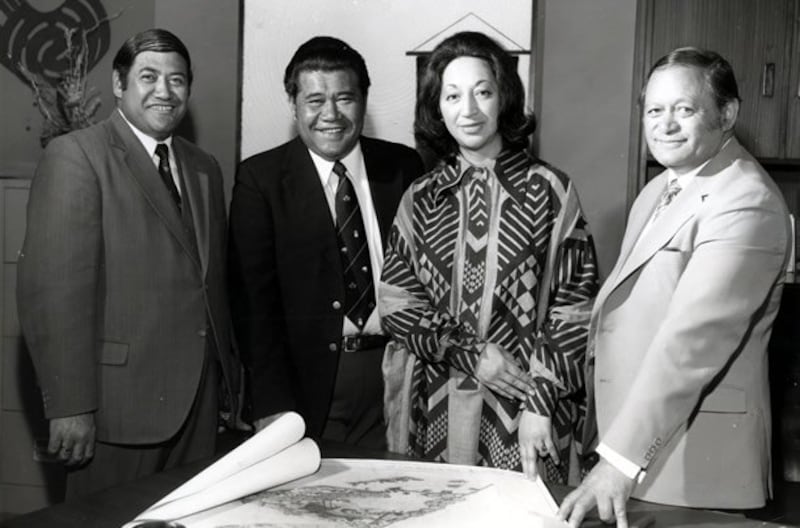
For Edwards, the public debate came at a high cost. The hostility surrounding homosexuality left many people isolated and struggling with their mental health.
“Ko ngā toemahatanga i i runga i ngā takatāpui hāngai ana, i taua wā tonu, he mate whakamomori. Tētehi wāhi i kite au i ngā tāne e haere atu ana ki ngā wāhi pērā i te piriti o Grafton, nā ka peke.”
Those losses were compounded by the HIV/AIDS epidemic, which devastated communities throughout the late 1980s and early 1990s. Fear and misinformation surrounding the disease intensified prejudice against gay men, even after homosexuality was no longer a criminal offence.
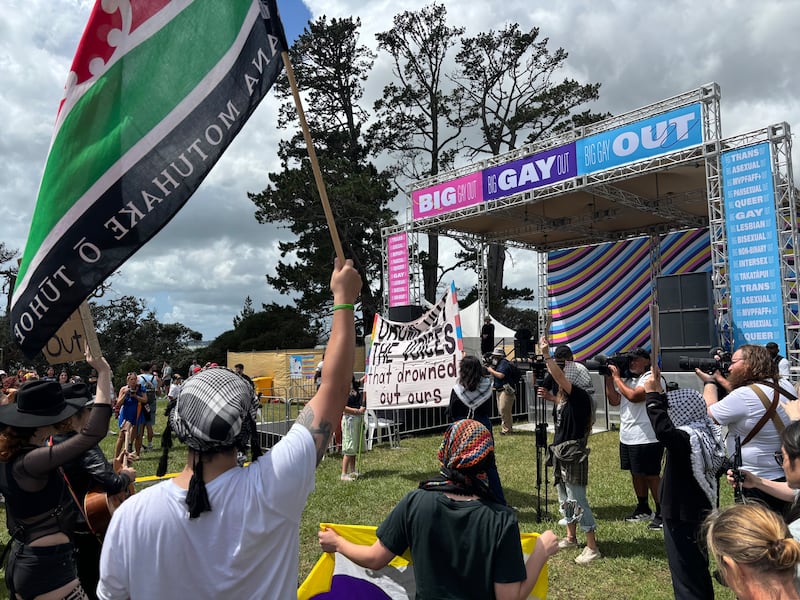
As a takatāpui man, Edwards said those years shaped both his identity and his understanding of resilience. Looking back now, he believes New Zealand has changed dramatically.
“Ki ahau nei, kua eke nei au ki taku pakeketanga, e kite ana au, āe, kua rerekē tēnei ao, ka whakarongo atu au ki ngā kōrero e haere ana, ka puku katoa ahau ki ahau anō nā te mea kua ngāwari ake te wairua o te tangata.”