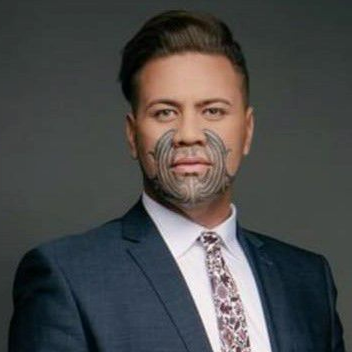

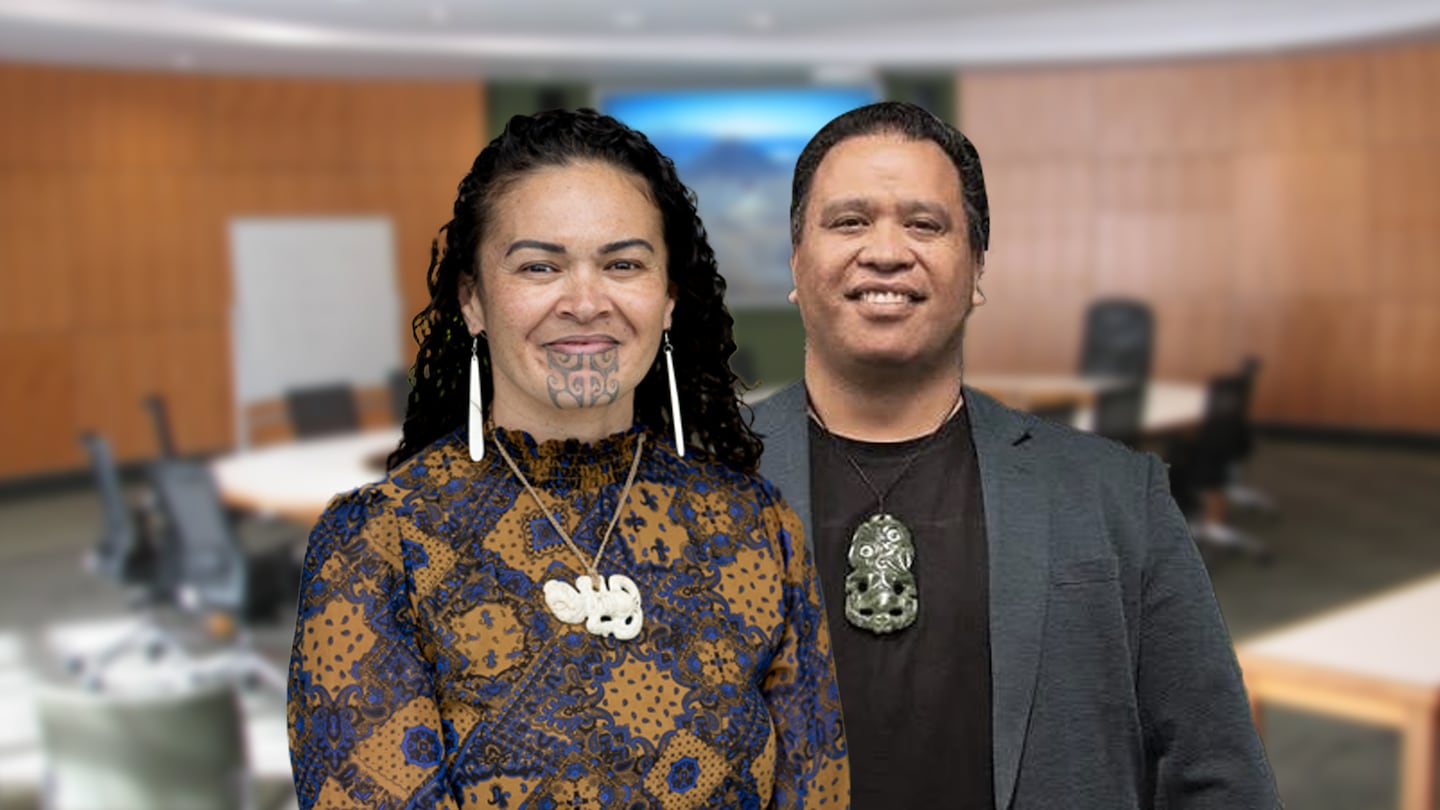
Te Maruata, the national collective of elected Māori representatives, is urging the government to reverse its decision to scrap Mana Whakahono ā Rohe partnership agreements, saying they provide a valuable framework for long-term Māori and local government relationships.
Te Maruata co-chairs Aubrey Ria and Dinny Moeahu say iwi have invested significant time, expertise and goodwill since 2017 in developing the agreements, which set out how councils and iwi work together.
“Councils tell us that Mana Whakahono ā Rohe agreements provide a useful tool to support durable, long-term partnerships with iwi in a way that reduces uncertainty and ad hoc approaches,” the co-chairs said.
They are calling for existing Mana Whakahono ā Rohe agreements to be retained and for new agreements to remain permissible under the new framework.
Moeahu says the agreements have been widely misunderstood by the public.
“We want to be very clear that these agreements do not hand decision-making power to iwi,” says Moeahu. “They don’t override decisions elected members around the council table make.”
Government rationale
The government says the changes are intended to provide greater clarity around the role of councils and elected members, while ensuring local authorities remain accountable to all communities they serve.
Ministers have said formal partnership arrangements can create uncertainty about decision-making responsibilities and that councils need a consistent framework for engaging with Māori.
The government says Māori participation and engagement will continue, but through a system it believes provides clearer accountability and better reflects the role of elected representatives.
Ka haere tonu ngā mahi
Te Maruata says it remains committed to working constructively with the government of the day, but warns that this must start with Ministers talking to Māori when they’re considering decisions that affect their people and communities.
The co-chairs say this is not the only decision negatively impacting Māori.
“We are seeing a number of changes across local government, including resource management, water services and Treaty-related legislation, that reduces opportunities for Māori to participate in decisions that affect our communities and environment,”