


Spotting the shy, threatened whio in the Tongariro region’s fast-flowing rivers has become easier after a trial using thermal drones detected birds where rangers had never been able to survey before.
The technology found 10 pairs of whio and six single birds along an 8km stretch of the Whakapapa-iti River. That took only two-and-a-half hours.
The Department of Conservation (DOC) says the tools could transform monitoring of the species.
Whio, also known as blue duck, are found only in New Zealand and live on and around fast-flowing waterways.
DOC principal ranger Dan Van Der Lubbe said the trial grew out of drone surveys being used to detect deer.
Contractors fly drones fitted with thermal and standard cameras across target areas to locate deer. But Tongariro staff noticed the cameras were picking up much smaller animals.
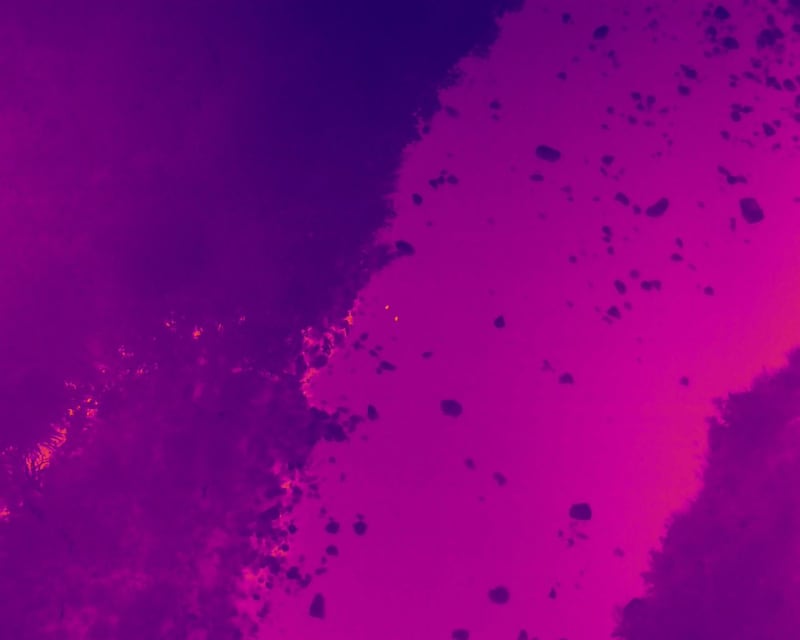
“Deer stand out, of course, but we were seeing small mammals in these surveys we didn’t expect to pick up, and it was a bit of an ‘aha’ moment,” Van Der Lubbe said.
The same technology is now being tested on whio.
Thermal cameras detect the heat signature of birds on the river, then standard cameras allow operators to identify them. The high-resolution footage can be zoomed in to reveal individual birds and their identifying features.
Traditional whio monitoring can be labour-intensive, with rangers forced to navigate remote rivers on foot or by raft.
“We can only have rangers in so many places,” Van Der Lubbe said.
“This thermal technology gives us an opportunity to learn about whio across more rivers.”
The first trial covered a stretch of the Whakapapa-iti River that DOC had never previously been able to survey.
“This is a game changer.”
Van Der Lubbe said the drones also appeared to have a major advantage over traditional monitoring: the birds do not seem to react to them.
“The best part is the whio just behave like normal. They don’t know the drone is even there, they just carry on feeding with no disturbance at all.”
Whio are threatened by habitat loss and introduced predators, particularly stoats, making accurate monitoring important for conservation efforts.

Mana whenua whio expert Tyrone “Bubs” Smith has spent decades in the region monitoring whio on foot.
“The old way is boots on the ground, doing a count in the traditional way.”
He said the use of drones and thermal imaging was still in the early stages, but sounded promising.
Smith, of Ngati Hikairo ki Tongariro, said whio live along waterways that were often inaccessible, making conservation challenging.
The technology had the immediate advantage of making it safer and less time-consuming to monitor the taonga species in high-risk and often remote rivers and streams.
Mana whenua look to the birds as an important indicator species for river health, he said.
“They need absolutely pristine waters. The presence of whio in our waterways tells us that the water is high-quality and is an indicator that everything is in balance in that ecosystem.”
Smith said he was looking forward to spending time with the drone operators to observe for himself the behavioural response of the birds, whose main natural predator is kārearea (New Zealand falcon). This would be important especially after ducklings have hatched.
The Whakapapa-iti runs alongside the Tongariro “whio security site”, where the whio population is protected and monitored with support from Genesis.
“This is really going to help us understand more about how whio are faring in more than just our intensive management areas. It’ll help us focus conservation where it will be most effective,” Van Der Lubbe said.
LDR is local body journalism co-funded by RNZ and NZ On Air.