
A new study is highlighting how
Glucose monitoring technology could help people living with Type 2 diabetes manage their condition and reduce the risk of serious health complications.
A new study was conducted by an international team of researchers from New Zealand, the United States, and the United Kingdom. Led by Associate Professor Ryan Paul, the research highlights how the technology uses a small sensor worn on the body, usually on the arm, pto measure glucose levels and send readings to a person’s phone in real time.
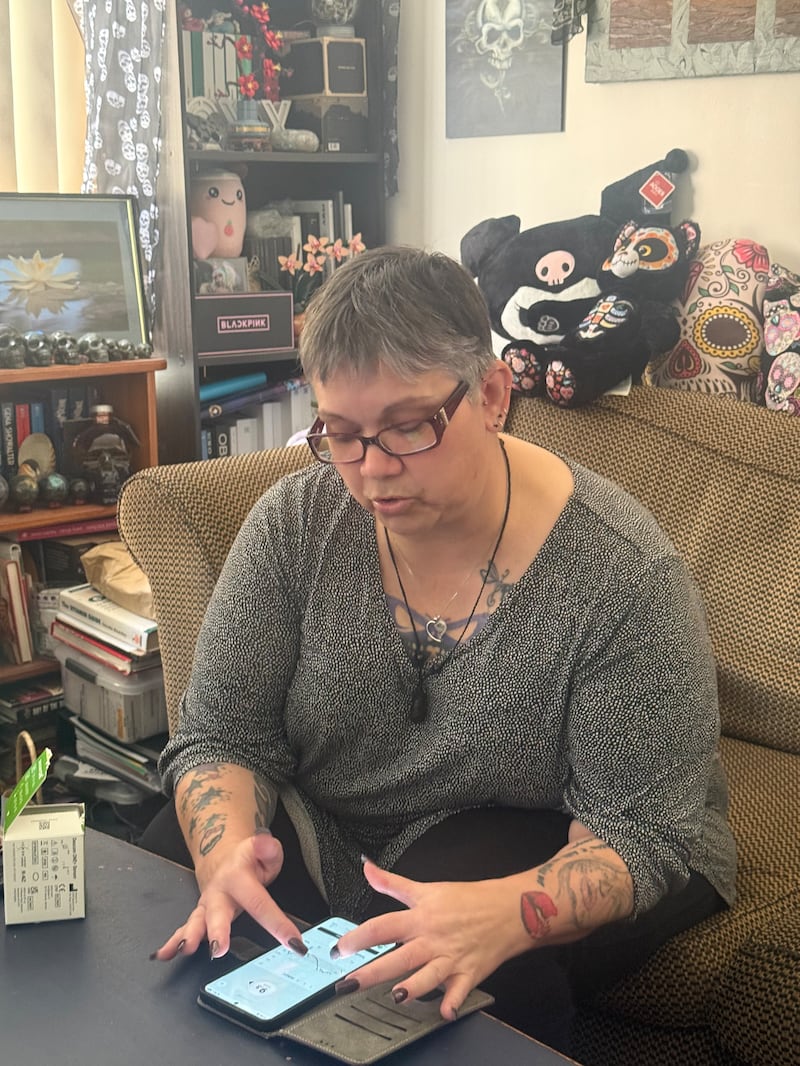
Rochelle Kilgour, who has lived with diabetes for more than a decade, has trialled the sensor. “From day one, trying the new automatic blood sugar readers, like I said, I went down nearly 10 units of insulin and now I’m down 16 units of insulin. It’s amazing what it can do,” says Kilgour.
Calls for equal access to diabetes technology
Kilgour is among the estimated 329,000 New Zealanders living with Type 2 diabetes. She says the technology has made it easier to understand her glucose levels and take control of her health.
However, the cost of the devices remains a barrier for many people with Type 2 diabetes, who do not have the same access to funded continuous glucose monitors as those with Type 1 diabetes.
“They need to start funding it for type 2s. There are people out there who can’t afford to see a doctor at the drop of a hat,” says Kilgour.
Māori and Pasifika hit the hardest
Diabetes affects Māori and Pacific peoples more than other groups in Aotearoa. The latest 2025 statistics show around 14 in every 100 Pacific people have diabetes, compared with eight in every 100 Māori and three in every 100 people of European or other ethnicities. And the rates are rising.
Between 2014 and 2024, diabetes increased by 25 percent among Māori and 23 percent among Pacific peoples. Both groups are more likely to develop diabetes at a younger age and suffer serious health problems caused by the chronic metabolic illness, showing the need for better access to prevention, monitoring, and treatment.

Technology to prevent complications
Associate Professor Ryan Paul, an endocrinologist at the University of Waikato and Te Whatu Ora Health New Zealand, was involved in research examining the benefits of real-time continuous glucose monitoring for people with Type 2 diabetes who require intensive insulin therapy.
The study found the technology could improve long-term health outcomes, with modelling suggesting it could reduce the risk of complications including blindness, kidney disease, and amputations. The research also found it could be a cost-effective investment for the health system, particularly for Māori and Pacific peoples. “Continuous glucose monitoring is a sensor people wear, typically on their arms, that measures their glucose levels in the fluid between cells, and then converts that to blood glucose levels and sends that to the person’s phone, so what that means in real time,” says Paul.
He believes much of the health system’s spending on diabetes goes towards treating complications, making early management important. Wider access to the technology could help people better understand how kai, physical activity, and medication affect their glucose levels, while potentially reducing the need for costly treatment later on, according to Paul. “Why it is really important that funders have this information, to be able to make those decisions about, where is a group we can target, to lead to downstream savings, it may be 10 or 20 years’ time but that’s still really important,” says Paul.
For those who continue to deal with Type 2 diabetes, Kilgour says better access is about giving people the tools to manage their health before complications develop. She says making the technology more accessible could help whānau stay informed, make changes earlier, and take a more proactive approach to living with diabetes.