
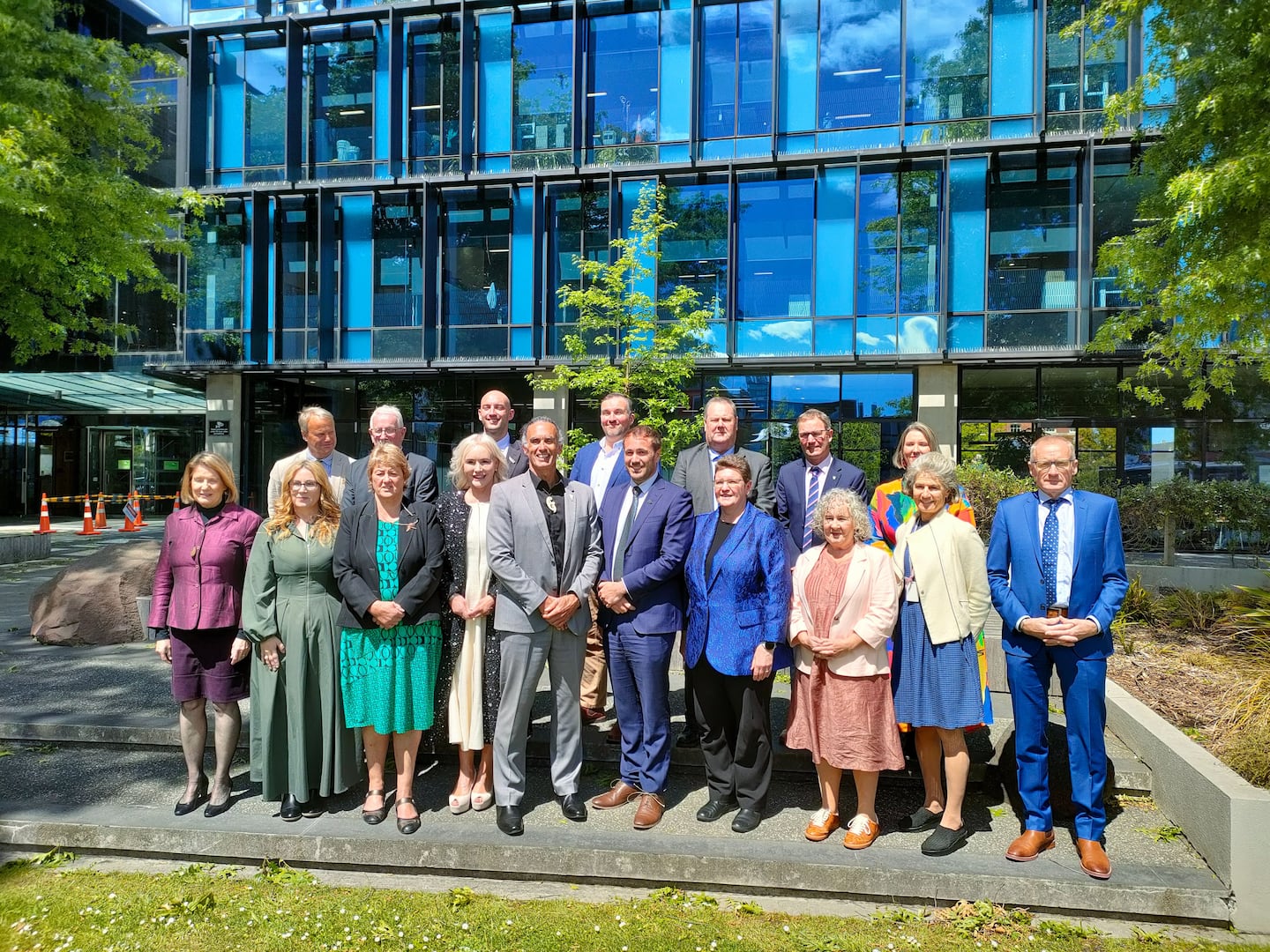
Regional councils have been calling for change, but are now being “blamed” for outdated legislation, says former Environment Canterbury (ECan) chairperson Craig Pauling.
The Government announced plans on Tuesday to replace regional councils with mayor-led combined territories boards.
Pauling said he was surprised by the timing of the announcement, coming just weeks after new regional councils were sworn in.
The move will coincide with sweeping changes to the Resource Management Act (RMA).
In the biggest change for councils in decades, new legislation will replace the RMA from 1991 and the local government structure from 1989.
The announcement has implications for smaller councils and mana whenua representation, Pauling said.
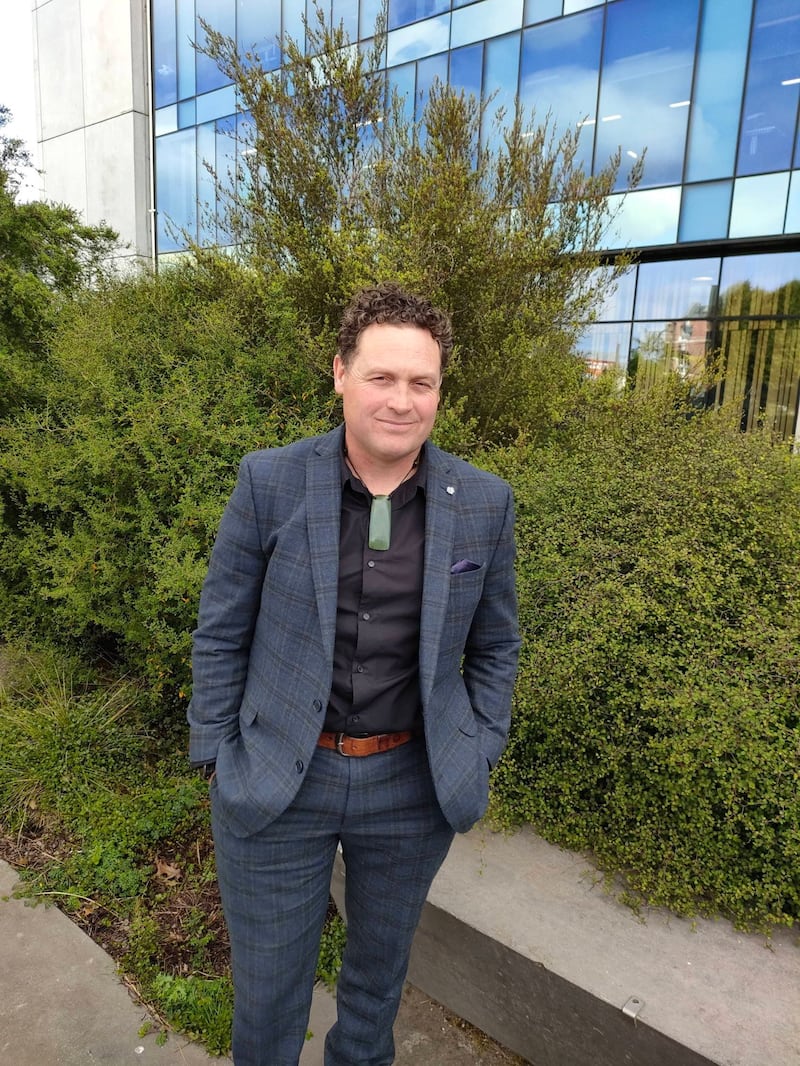
“You’ve got the regional councillors there for three years, so why not use them and work alongside the mayors?
“It seems like it’s blaming regional councils for all the problems in the world.
“Let’s be clear - the mayors weren’t the ones raising this as an issue. It was us.“
Pauling said he doubted the reform would lead to rates reductions.
“The funding model for local government is broken. The Government gives us all these jobs to do, and they don’t fund it.“
Canterbury received just five percent of the National Land Transport Programme funding, even though it is the largest region and had 13% of the population.
Pauling said he also feared without amalgamation or collaboration, smaller councils may decide not to fund environmental or river management initiatives if they can’t afford it.
He said ECan had also made considerable progress in improving its engagement with the 10 Papatipu Rūnanga, since the Ngāi Tahu settlement in 1998.
There has been Ngāi Tahu representation around the regional council table since 2010, when commissioners were installed by the previous National-led Government.
Te Rūnanga o Ngāi Tahu Kaiwhakahaere (chairperson) Justin Tipa said the iwi welcomed the opportunity to engage on how local government can deliver better outcomes.
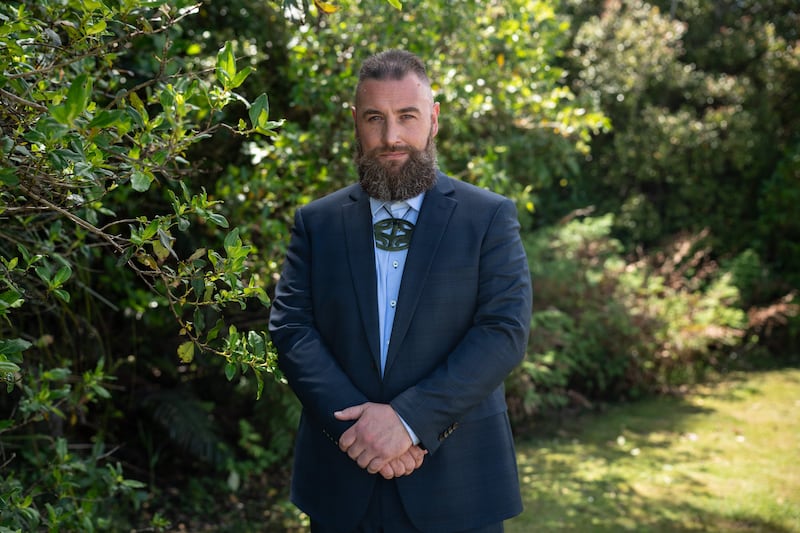
But he said it would be a mistake to assume the region’s mayors or Crown commissioners can represent the interests of Ngāi Tahu.
“Direct Ngāi Tahu engagement on any regional reorganisation plans in our Takiwā will be critical.
“Ngāi Tahu is integral to local government in the South Island, and our settlement legislation creates a unique statutory context.
“That context needs to be reflected in, and accounted for, in these reforms.“
Kura Taka Pini (Ngai Tahu’s freshwater group) co-chair Professor Te Maire Tau said abolishing regional councils and transferring power to mayors will not drive economic or environmental improvements.
“Real progress depends on re-thinking how we govern water and natural resources, not on reshuffling existing structures.“
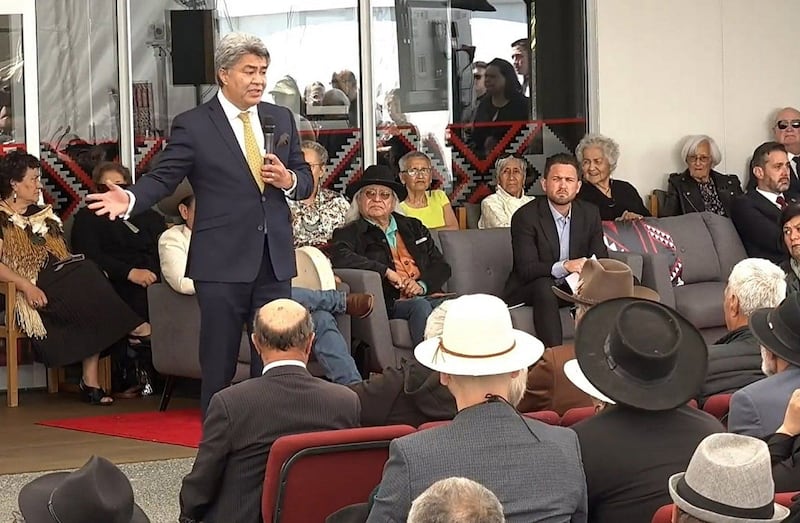
Professor Tau said there needed to be systemic change, with a new purpose-built entity focused on natural resource governance.
“The shortcomings of regional councils reflect a wider failure in water and resource governance.“
A new structure needed to be “designed to plan beyond the three-year election cycle, enabling stable, long-term growth over the next 20 to 30 years”.
Among the models discussed by ECan earlier this year was a regional environmental leadership body comprising representatives from local councils and mana whenua, and appointed commissioners.
RMA Reform Minister Chris Bishop said local government is meant to serve communities, not confuse them.
“But right now, the system is tangled in duplication, disagreements, and decisions that defy common sense.“
Bishop said the reform will remove duplication, standardise processes, and “drive down complexity and compliance costs”.
There will be fewer plans, fewer consent categories and fewer consents overall.
LDR is local body journalism co-funded by RNZ and NZ On Air.