
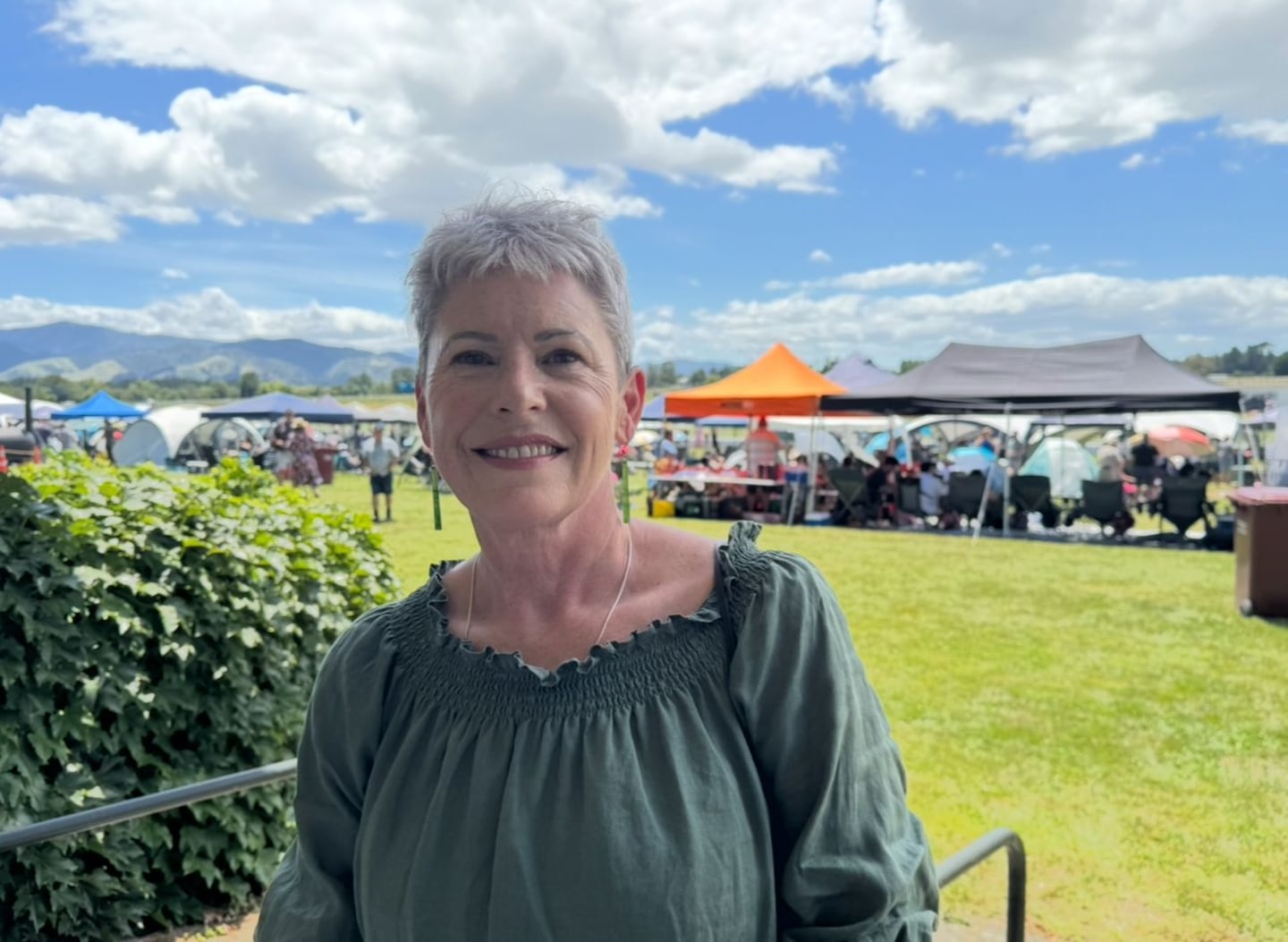
In the sixth of a summer series on Wairarapa leaders’ views on the Government’s proposed local council reforms, Masterton mayor Bex Johnson shares her perspectives.
The Government’s recently proposed council shake-up has been called the most wide-ranging in a generation.
Changes include scrapping regional councils, introducing a rates cap of between two and four per cent, and a simplification of planning legislation.
Johnson said considerable change was coming for local government, and there was uncertainty about how the changes would affect individual councils.
“It seems likely that removing regional councils will require work in areas such as flood protection, pest control, public transport, and the environment, to be done by another entity,” she said.
“Local councils currently don’t have the capacity, the expertise or the funding to deliver this work.”
Johnson thought a rates cap could negatively impact new projects, which might become unaffordable and force councils to increase user-pay fees to cover shortfalls.
“The key concerns for our council will remain delivering what is best for our communities.
“That must mean having a strong voice at the table, and real decision-making power for issues that concern Masterton and Wairarapa.
“Environmental measures are governed by national legislation – and I would expect this legislation to remain in place and require regulation,” she said.
“An imposed rates cap runs a serious risk of restricting smaller councils from investing in and developing their districts.
“If debt-funded projects, such as new and renewed infrastructure, drive up rates, then critical projects may be paused or even cancelled.
“Funding projects through debt is a standard practice used by councils to ensure the cost of projects that benefit successive generations is paid by those generations over time, not just current residents.
“Overseas experience has shown that a blanket rates cap can lead to infrastructure issues - because of maintenance spending being deferred.”
She thought capping rates revenue could also mean reduced services as councils made trade-offs.
“Ultimately it could result in higher costs for ratepayers, through increased user fees in the long run.
Those higher fees could also restrict access to council services for people on fixed incomes.
She said more staff could be needed for some activities, while water and wastewater services staff would likely move to the new water entity, once established.
“The impact of Resource Management Act (RMA) and regional council reforms is difficult to predict, though there is an expectation that while the RMA reform may reduce consents, the regional council changes may add to regulatory and other activities required of councils which could lead to increased staff.”
Johnson said Masterton council elected members were aware there was uncertainty in the local government space.
“I want to assure our community that our priorities will very much remain focused on what is best for Masterton District, both from a cost perspective, and remaining in control of our own destiny as far as we can.
“Our voice is important, we want the best for Masterton, and the Wairarapa.”
She encouraged people to engage with the consultation process (with documents available on the DIA website) on the reform of regional councils and the rates capping proposal, and and consider how the changes could impact the activities and plans they were involved with.
“We don’t have all the answers, so I strongly encourage everyone to have their say.”
LDR is local body journalism co-funded by RNZ and NZ On Air