


Te Pāti Māori co-leader Debbie Ngarewa-Packer says her Rātana faith carried her through months of internal party turmoil and says she is hopeful Te Pāti Māori will find a way forward as the election year moves into full swing.
The Te Tai Hauāuru MP reflected on the role of her Rātana faith as she helped welcome hundreds to the pā yesterday, as the annual celebrations got underway.
Today, Te Arikinui Kuini Nga wai hono i te po and Te Rangimaheu Te Heuheu Tūkino IX will be welcomed later this morning, followed by politicians from across the political spectrum this afternoon.
The Prime Minister, who traditionally attends the celebrations at what is often described as the start of the political year, was unable to attend due to travel to weather-affected areas.
He spoke with Rātana leaders earlier today to extend his apologies, with leaders asking that he pass on their aroha to those impacted by the severe weather.
“People you loved, kaupapa you loved, we’re just at each other”
Ngarewa-Packer said this year’s gathering came at a pivotal moment, with political parties firmly entering an election cycle following a turbulent year both inside Parliament and within communities.
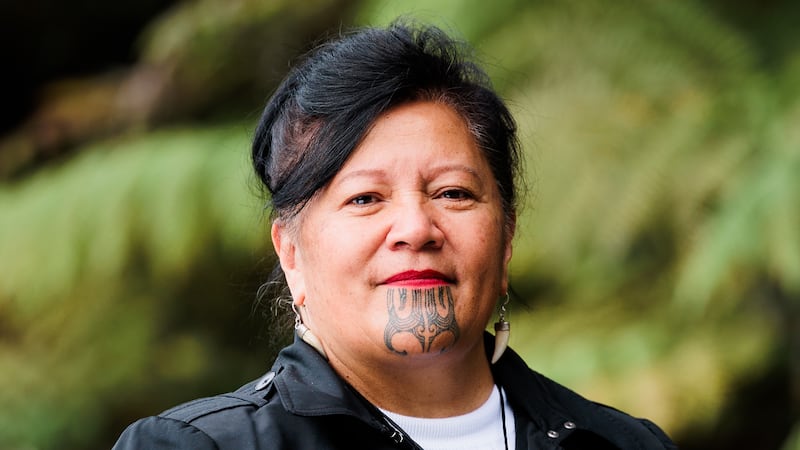
A mōrehu and the MP for Te Tai Hauāuru, Ngarewa-Packer, was referring to a turbulent period for Te Pāti Māori marked by internal division, explosive allegations and a pending court case involving Te Tai Tokerau MP Mariameno Kapa-Kingi.
The dispute culminated in the expulsion of Kapa-Kingi and Takuta Ferris from the party.
Kapa-Kingi subsequently took legal action, with proceedings still before the courts to determine whether she was wrongfully expelled and should be reinstated.
The hearing is set to begin on February 2, ahead of Waitangi Day events.
Ngarewa-Packer said leadership in te ao Māori can be isolating, and that Rātana provided a place of restoration, which she hopes to carry with her into the election year and help the party move forward.
She said the months ahead would focus on reconnecting with people on the ground.
“This is the part of the political cycle I prefer,” she said.
“Getting out of the House and back into the communities.”

In Te Tai Hauāuru, she said campaigning would centre on opposition to seabed mining fast-track legislation, supporting iwi-led papakāinga housing developments, and pushing for renewable energy investment as a response to cost-of-living pressures.
She said whānau across the electorate were feeling the impacts of Government decisions across environmental protection, workers’ rights, health, education and justice.
Ngarewa-Packer also acknowledged the retirement of Labour MP Adrian Rurawhe, paying tribute to his service to the electorate.
“I have a lot of respect for the years Adrian has given to Te Tai Hauāuru and to Parliament,” she said.
As coalition Government politicians prepared to arrive at Rātana, Ngarewa-Packer said the mood among whānau reflected growing frustration with the direction of Government policy.
She said while leaders are welcomed onto the pā, kōrero at Rātana is direct and grounded in lived experience.
“There will be integrity and whakapono,” she said.
“But people will be honest about what they’re facing.”
She said expectations that the Government would be praised for its performance, as said by the Prime Minister at his State of the Nation speech earlier this week, did not reflect the reality for many whānau in Te Tai Hauāuru, and that those from the Government attending need to be prepared to listen.
Ngarewa-Packer said the message from Rātana was not about instructing people how to vote, but about encouraging participation.
“You can only change things if you believe in yourself enough to enrol and vote,” she said.