

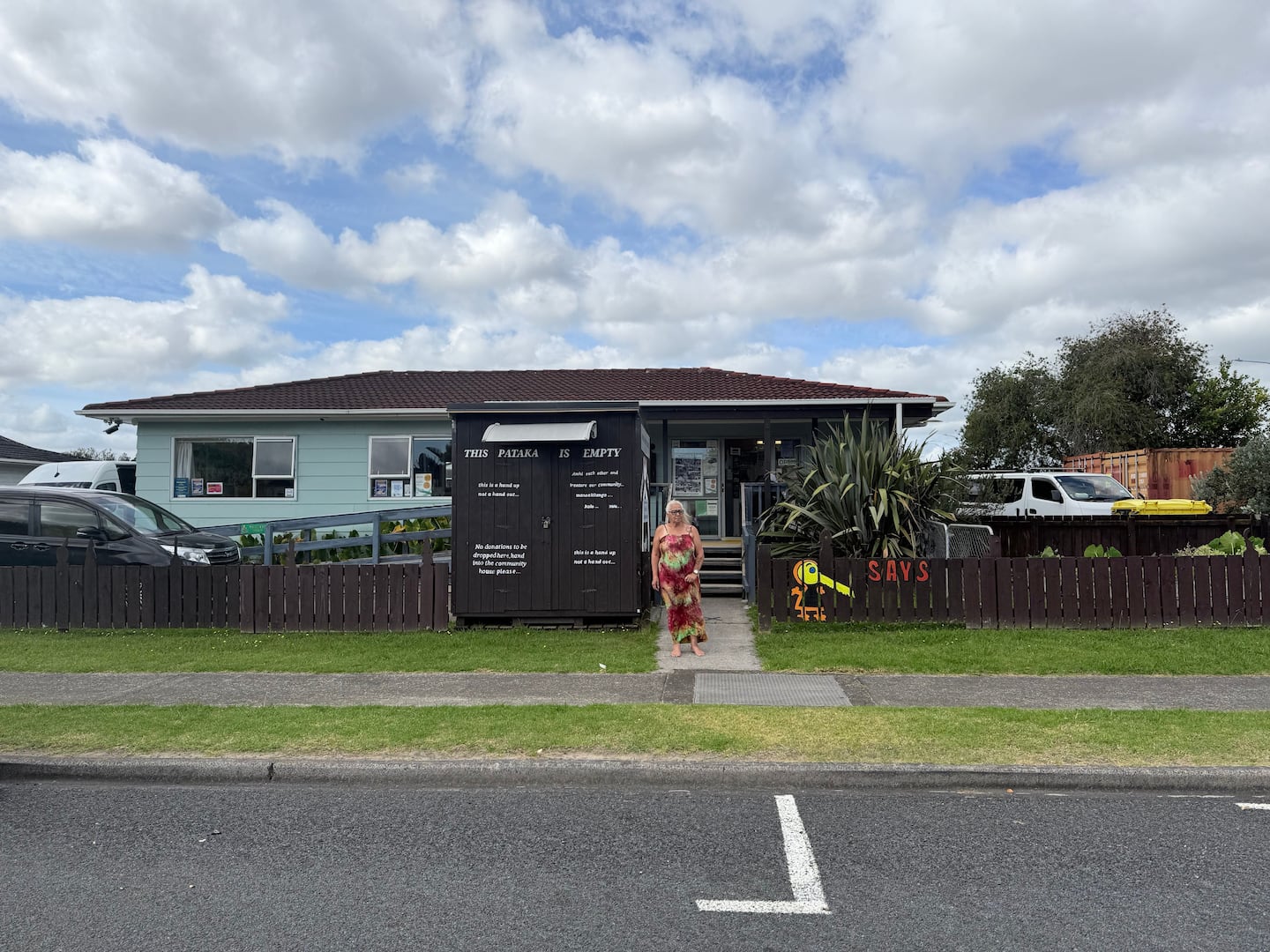
For more than 17 years, it’s been described as a beacon of hope for a tough community but a ‘little ‘Rewa house with a big impact’ is now months away from closure.
The future of the RaWiri Community House in Wiri, Manurewa, in Auckland’s south, is bleak after they were ordered to vacate by Kāinga Ora (KO), because of a housing shortage.
The house is one of four KO homes leased by Auckland Council, offering valuable services to the south Auckland community.
KO wants all of them back so it can house families in need.
Co-founder Liz Kiriona said RaWiri House has made a huge impact to the community since she relocated the service to Rata Vine Drive from her garage in 2019.
“They’ve given us till June 30th to get out of here. What would happen to our families?” she said.
RaWiri House is the first house one sees when they enter Rata Vine Drive - a neighbourhood lined with state houses, and at one time, was so dangerous that even delivery drivers refused to enter its streets.
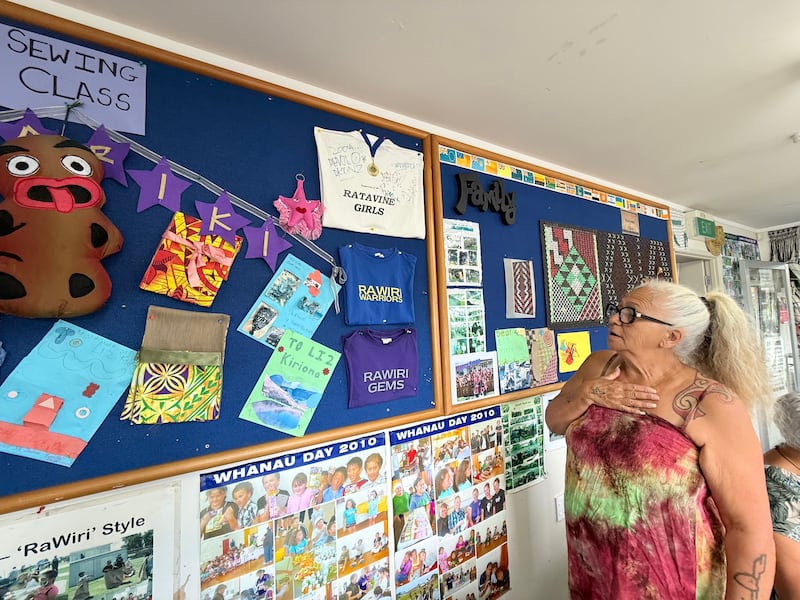
With council covering her lease of $24,000 a year, Kiriona said RaWiri House has been a lifeline for many in the Wiri and Rata Vine areas, offering everything from food parcels for families that need support, to community programmes. There’s sewing and weaving classes, and courses to help people get their driver’s licence.
The house has been a welcoming place where people can drop by any time for a cup of tea and some friendly kōrero.
Kiriona said their pleas to KO to keep RaWiri House open has fallen on deaf ears.
“What would happen to our families?”
“Over the years, I believe that we have saved KO a lot of money, working alongside their tenants so they don’t abandon their properties. We’ve worked alongside them to keep them in their homes.
“We’ve done street makeovers, street clean-ups, cleaned backyards, organised working bees. We’ve put murals up on the Great South Rd. If the community need anything, they come here.”
Manurewa Papakura councillor Matt Winiata said it didn’t make sense that KO would want RaWiri House back when there were state homes sitting vacant.
“I know for certain that Kāinga Ora has a number of already vacant properties around Manurewa. There’s a number in development here,” he said.
He said KO and council had had a partnership for years to provide community houses in Manurewa.
Council has paid for these leases without hesitation, and want to continue paying, he said.
“This one here (RaWiri House), because it’s the gateway into Rata Vine, and it provides the service that it does for the tenants and for the community across Wiri - we want to save it.
“It’s one house, a little Rewa house with a big impact.”
Fellow councillor Daniel Newman said senior managers at KO have been offered deal after deal to preserve leases, but have denied council at every turn.
“Of the four community houses, preserving the RaWiri Community House in Rata Vine is absolutely the top priority,” Newman said.
He said one community house on Rata Vine was not going to address the housing crisis.
“Repeated offers to Kāinga Ora have been rebuffed.
“We have even offered to lease vacant land owned by Kāinga Ora so we could look at relocatable buildings to house the groups that do amazing work in Rata Vine and Wiri.”

Kāinga Ora acting regional director Counties Manukau Sonja Clearkin said a lot of people were waiting to be housed by the state.
“More than 2,400 applicants on the Ministry of Social Development’s housing register are currently waiting for a home in this part of Auckland,” she said.
“More than 99% of Kāinga Ora homes in Manukau are tenanted. With a portfolio of our size, there will always be a small number of vacant homes due to tenancy turnover, newly completed homes becoming ready to occupy, and homes being held for households with specific needs.”
She said they were willing to work with council over the transition period.
“We made this decision because our core mission is providing social housing and we want to make this home available to a family in need.”
LDR is local body journalism co-funded by RNZ and NZ On Air.