

An iwi-led charter school led by Ngāti Toa is set to open in Porirua in Term 3 next year, adding to the growing number of kaupapa Māori charter schools under the Government’s revived charter model.
Associate Education Minister David Seymour announced Kura Toa will cater to students in Years 7 to 13, with a focus on improving outcomes for Māori learners in the region.
“Kura Toa has identified an opportunity to achieve better education outcomes for Māori students… It will create an environment that gives students the best chance to succeed,” Seymour said.
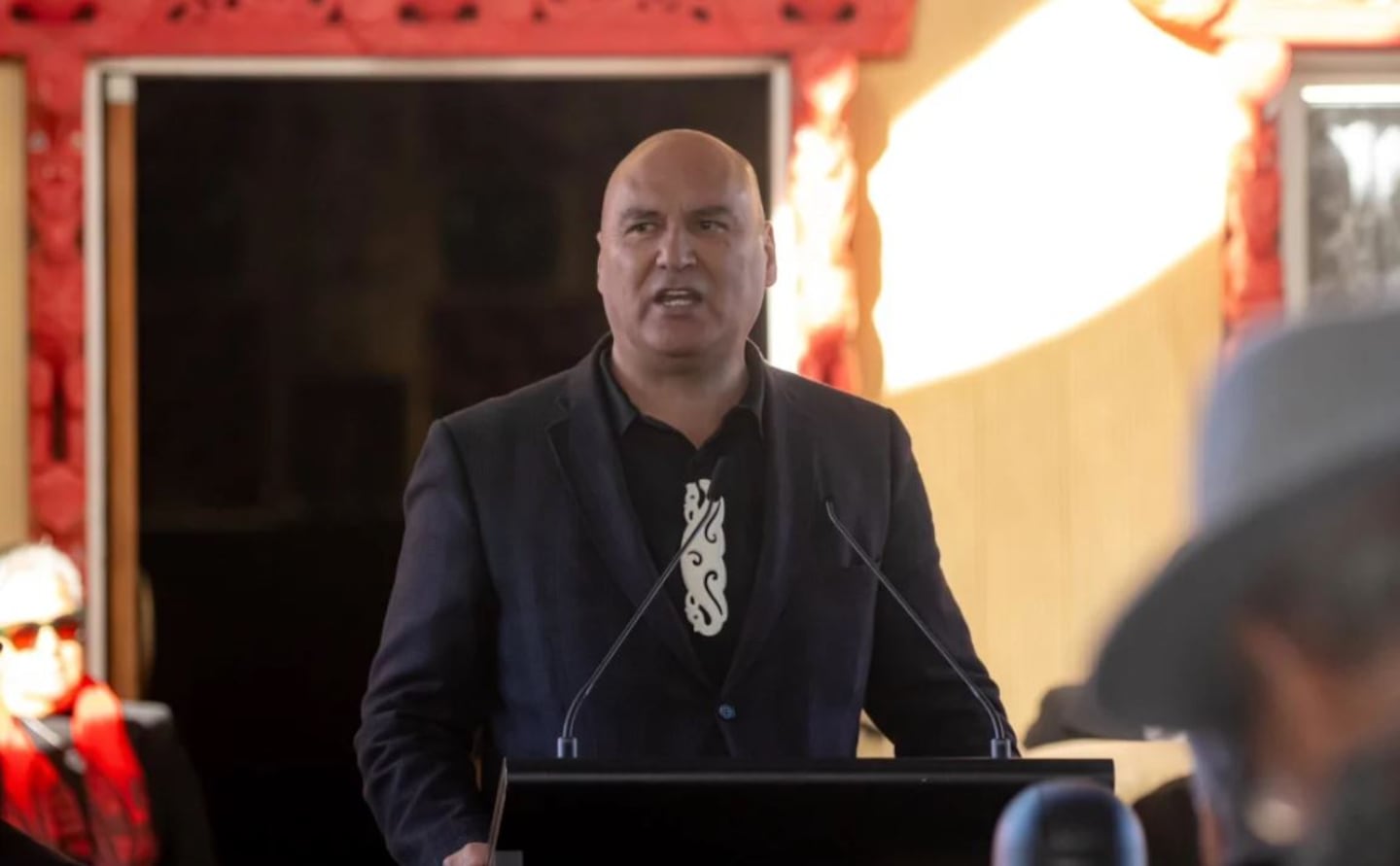
Te Rūnanga o Toa Rangatira Tumu Whakarae, Helmut Modlik, says the kura is part of a long-term strategy by the iwi to reshape education pathways for its people.
“Like all Māori, we’re people with the development imperative, and there’s no silver bullet to enabling our whānau to achieve our aspirations, but the closest thing we’ve got is education… that’s the closest thing we’ve got.”
“We have been very deliberate as a tribe of reimagining the pathways and the options that are available for our tamariki, supporting them to move towards whatever their vision for themselves is,” Modlik said.
The school will be supported by Puna Mātauranga, Ngāti Toa’s iwi education hub, alongside Te Pikau o te Rangi, a service designed to provide tailored support for learners and their whānau.
The announcement comes amid the Government’s expansion of charter schools, which has seen strong uptake from some iwi.
Te Rūnanga o Toa Rangatira says Kura Toa reflects the iwi’s long-held aspiration to design an education system grounded in iwi values, with a focus on cultural identity, wellbeing and pathways beyond the classroom.
Modlik says the kura builds on an existing model already being trialled with tauira.
“Kura Toa is a bilingual kura environment, years 7 through 13, and it has been designed to create a learning environment where those tamariki are coached through their pathway. And it’s almost a personalised curriculum.”
Currently operating in a pilot phase with 24 students, Modlik says demand is already strong, with plans to scale up significantly.
“With the waiting list, we would expect that to double pretty much straight away, and we’re aiming at a roll of 200.”
The kura is expected to open in Term 3 next year, with several site options under consideration.
Modlik says the focus now is on securing a permanent location, scaling teaching capability and expanding its learning model.
“In order to scale up, we need to land our new premises, and then there is just the kaiako we need to engage and get them across our model.”
The school will operate under a wellbeing framework known as Mauriora, tracking students’ physical, mental, cultural and social development, alongside academic progress.
Partnerships with industry and training providers are also expected to connect students with employment pathways.
David Seymour says the need for targeted interventions is underscored by local data.
In Porirua, 28.5 percent of Māori students leave school without achieving NCEA Level 1, compared with 17.8 percent of all students in Wellington.
Just 32.9 percent of Māori learners achieve NCEA Level 3 or higher, compared with 43.8 percent regionally.
Attendance and retention rates also lag behind, with Māori students nearly twice as likely to be referred to attendance services and significantly less likely to remain in school until age 17.
Seymour says charter schools offer an alternative approach.
“When it comes to education, one size does not fit all… These schools have more flexibility in return for strictly measured results.”
Modlik says that the charter model provides an opportunity for iwi to exercise rangatiratanga in education.
He says Ngāti Toa has taken a pragmatic approach to working with the Government, supporting initiatives that align with iwi aspirations while continuing to challenge those that do not.
“I said to the leadership of the coalition… if you do anything that we think is wise, smart, and helpful to our people, we’ll say so. But on the other hand, if you say things or do things that we disagree with, well, we’ll say so.”
In this case, Modlik says the charter school pathway enables the iwi to take greater control of its own education outcomes.
“This is an instance where they have conceived and made available to us a pathway for us to exert our mana motuhake and do us in the educational domain.”
“Look, I’m happy to say thank you very much, David, and to crack on and do a good job with it.”
The addition of Kura Toa brings the total number of charter schools either operating or announced to more than 20 nationwide.
Of those, eight have a kaupapa Māori or iwi-led focus, a significant proportion.
Kura Toa is expected to open its doors in Term 3, 2026.

