

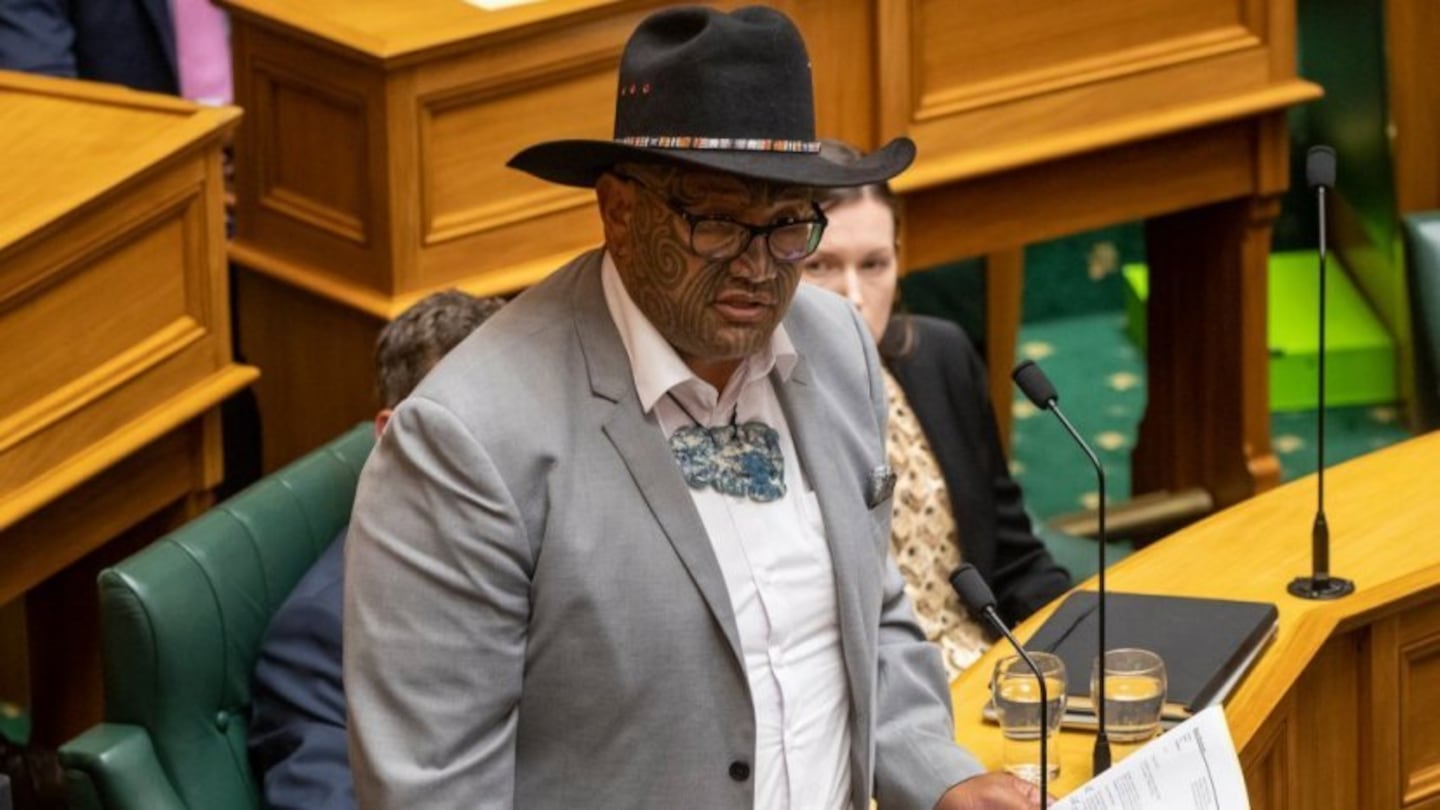
Te Pāti Māori is warning that proposed changes to New Zealand’s electoral boundary system could leave Māori voters under-represented for years, saying the changes would effectively “restrict the representation of all Māori roll voters until 2032 and beyond.”
The Electoral (District Boundaries) Amendment Bill would delay the next electorate boundary review from 2029 to 2032 and shift future reviews from every five years to every six.
Electorate boundaries are regularly reviewed to ensure voting seats reflect population changes.
Te Pāti Māori says as it stands, there are already enough voters on the Māori roll to justify an eighth Māori seat, but the bill would keep the number of Māori electorates at seven for at least two election cycles.
Co-leader and spokesperson for electoral justice Rawiri Waititi says this means Māori representation is already lagging where it should be.
“It is already an injustice that we will only have 7 Māori seats at the 2026 election when we have the numbers for 8 right now,” Waititi said.
He said delaying boundary reviews would deepen the gap over time as the Māori roll continues to grow.
“It will be completely undemocratic for the government to restrict Māori representation until 2032 when we are projected to have the numbers for 9 or 10 Māori seats by then.”
Waititi also warned that less frequent reviews would mean population changes are not reflected quickly enough in Parliament.
“Not only will this Bill harm our people for the next six years, it will also ensure that we are underrepresented in all future elections.”
He pointed to population trends, including the large proportion of Māori under 18, saying this will likely continue to grow the Māori roll.
“The Māori roll is growing faster than ever, and 40% of the Māori population is under 18 years old.”
The party says slowing the review cycle means electoral boundaries will continually lag behind population change.
“If we allow the government to delay boundary reviews to once every six years, we will always be playing catch-up,” Waititi said.
Te Pāti Māori is also calling for boundary reviews to take place before every election to ensure representation keeps pace with enrolment changes.
The party argues the changes would result in ongoing under-representation and says tangata whenua should have proportionate representation in Parliament.
“We need to ensure that tangata whenua have a proportionate representation for all future elections. This should be the bare minimum; anything less is voter suppression and a violation of Te Tiriti o Waitangi,” Waititi said.
The Electoral (District Boundaries) Amendment Bill is currently before Parliament and has been referred to a select committee, where it is open for public submissions.
Members of the public can make submissions online before the deadline on Wednesday, 15 April, as part of Parliament’s select committee process.
The number of Māori seats is also adjusted through this process based on enrolment on the Māori roll, which you are currently able to update, with the Electoral Commission recently rolling out enrolment packs outlining the Māori Electoral Option, prompting voters to check whether they are on the Māori roll or the general roll, and decide if they want to change.
Until March 2023, you were only able to switch rolls within four months, once every five or six years after the census.
