

“Welcoming Puanga doesn’t have to be flash, it doesn’t need a lot of people”, says Makiha.
“Simplifying our approach to welcoming Puanga won’t diminish our cultural practices. Instead, we keep the season’s magic alive by weaving mindful connections into everything we do.”
As public winter festivals grow across Aotearoa, Makiha is reminding whānau that celebrating the Māori New Year can be kept small.

She says many people have become accustomed to a specific approach and assume there is only one correct way to prepare.
“Anticipating Puanga can look and feel different for everyone and every whānau”, Makiha says.
While most national attention focuses on Matariki, it is a different story for iwi across Taranaki, Whanganui, parts of the South Island, and the Far North.
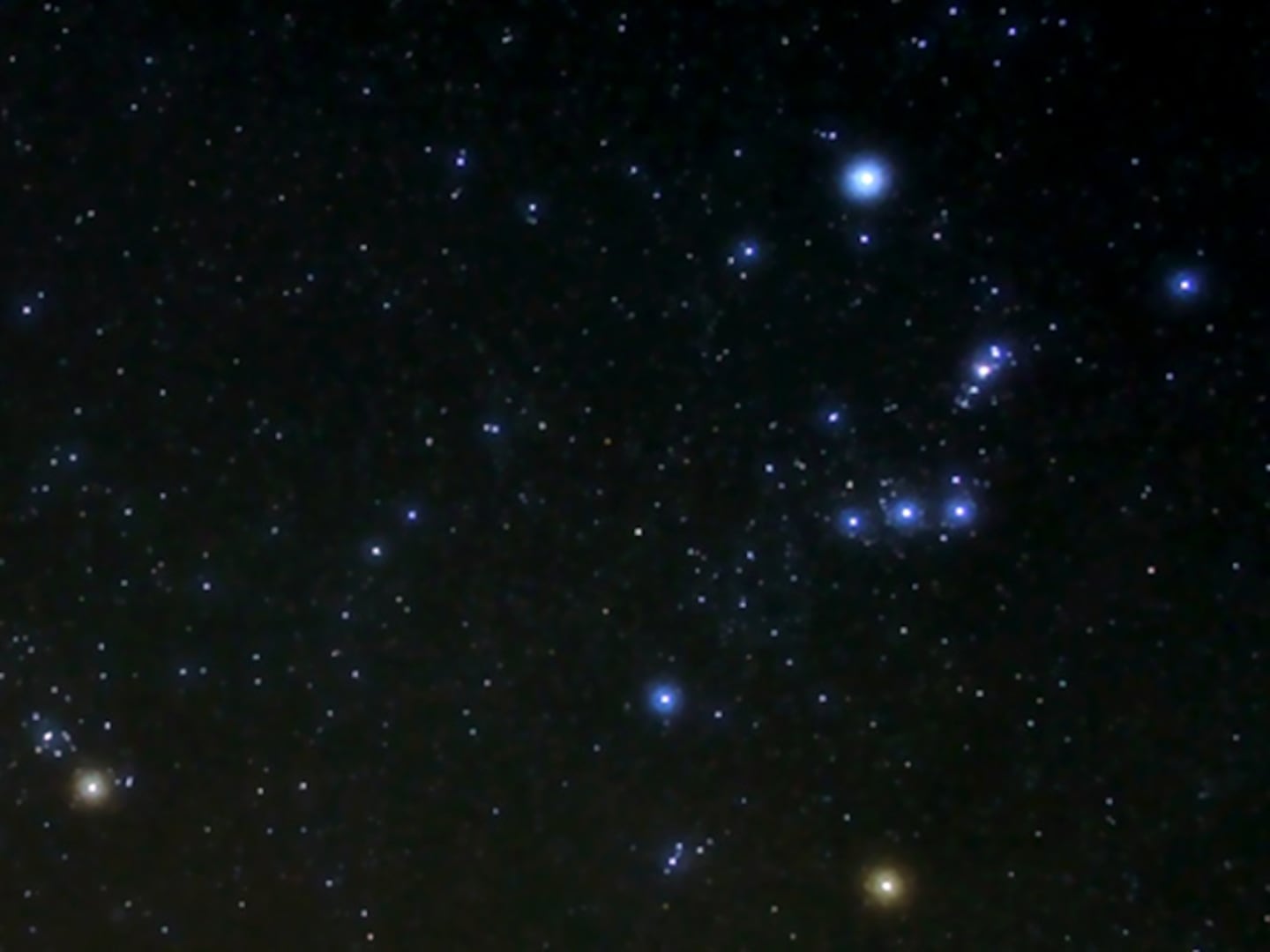
Because Matariki sits too low on the horizon and is often blocked by winter mists or coastal hills, these areas look for Puanga (Rigel) high in the winter sky.
That regional focus reached the national stage in 2025 when Ngāti Rangi hosted the national hautapu ceremony at Tirorangi Marae under the theme Matariki mā Puanga.

The value of stillness and reflection
Makiha says her own whānau focuses on quiet reflection, a practice she says connects directly back to traditional problem-solving.
She points to the teachings of her uncle, traditional knowledge expert Rereata Makiha, who noted that ancestors often sat still and watched the environment change to find solutions.
“The simple act of reflection, to whakawātea te hinengaro and simply be, seems small but is still so closely aligned with the ways of our old people”, Makiha says.
She says winter is a practical time to evaluate old goals and plan ahead through simple traditions at home.
This includes learning a new Puanga karakia or waiata, sharing a kai, or getting tamariki involved so they can pass down the stories.
“Involving them in these traditions ensures intergenerational knowledge is kept alive”, Makiha says. “They then have a living memory of ancient practices.”

Remembering loved ones who have passed
Makiha also stresses that the season is a critical time to acknowledge grief and remember loved ones who have died.
She says this connection is best maintained through practical actions, like visiting living relatives or tidying wāhi tapu.
“Popping in to visit the aunties, nannies, and whānau who are no longer with us ensures they remain part of our stories” she says.
As public events become more commercialised, Makiha says keeping the holiday simple does not reduce its cultural value. For Makiha, the heart of Puanga is not found in large-scale events, but in the everyday acts of reflection, remembrance, and connection that keep tikanga alive for future generations.