


Māori representation on public sector boards has fallen for the second consecutive year, reversing a period of steady growth and fuelling fresh debate about Māori leadership across the public sector.
New figures released by Manatū Wāhine show Māori held 24.8 per cent of ministerially appointed public sector board and committee positions at the end of 2025, down from 27.2 per cent the previous year and 27.5 per cent in 2023.
The latest stocktake also found Māori made up just 22.2 per cent of new appointments made during 2025.
The figures come as a wider debate about Māori representation in public sector leadership and governance has surfaced in recent weeks.
Police and health appointments draw criticism
Health Minister Simeon Brown faced criticism after declining to reappoint the first wahine Māori chair of the Medical Council, Dr Rachelle Love.
Brown’s decision prompted backlash from health sector leaders, who accused the Government of undermining Māori leadership and expertise within the health system.
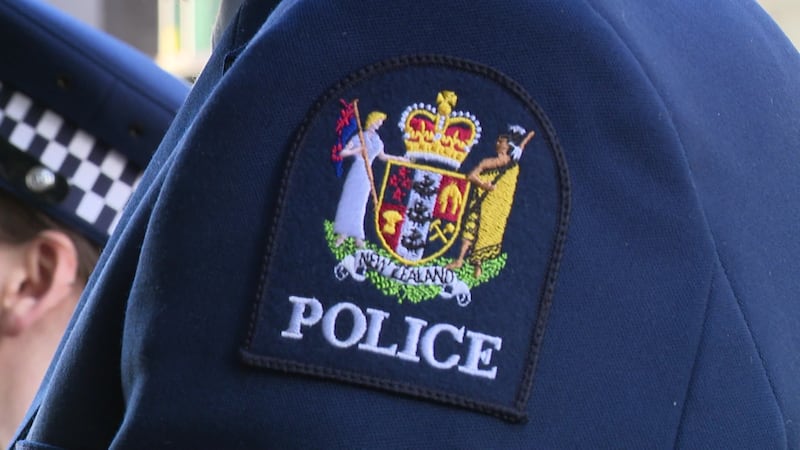
For the Police, they confirmed late last year their Deputy Commissioner Māori position would not continue under a new executive structure, and of the 4 ministerial appointments, there is no Māori representation.
The moves point to a broader shift away from dedicated Māori leadership and representation across the public sector, although the Government has rejected suggestions it is rolling back Māori participation in decision-making bodies.
The stocktake itself reveals significant disparities across government portfolios.
Māori make up less than 12 per cent of ministerial appointments linked to the Justice, Transport, Agriculture and Building and Construction portfolios, despite Māori being significantly affected by decisions in many of those areas.
Some portfolios had no Māori representation among ministerial appointees at all, including Police, Racing, Tourism and Hospitality, Space and Biosecurity.
Māori development, Children and Conservation record higher representation
In contrast, Māori made up more than 80 per cent of appointments associated with the Māori Development portfolio, almost 65 per cent of appointments linked to Children, and nearly 45 per cent of appointments linked to Conservation.
The figures mark a shift from recent years, when Māori representation on public sector boards had steadily increased. Previous stocktakes showed Māori representation rising from 22.3 per cent in 2021 to 26.8 per cent in 2022 before reaching a high of 27.5 per cent in 2023.
While the report does not identify reasons for the decline, it shows NZ European representation increased from 68.1 per cent to 69.5 per cent over the same period.
Wāhine Māori continue to hold a significant presence in public sector governance, accounting for 54 per cent of all Māori-held board positions. Māori women also make up more than a quarter of all female board chairs across the public sector.
The stocktake, released annually by Manatū Wāhine, measures ministerial appointments to public sector boards and committees and is often used as a benchmark for diversity across government governance bodies.