

Ko Te Kapa Haka o Te Koutu ngā toa whakaihuwaka o te whakataetae.
The title was decided on Friday after the top nine rōpū returned to the stage for the finals before a packed, sold-out crowd at Ōhotutahi (Mercury Baypark), each delivering a final performance in pursuit of the championship.
The Rotorua-based rōpū were awarded the coveted taonga, Tarewa, the first-place trophy presented in memory of Te Ao Muhurangi Maaka Jones.
The official placings are:
- Te Kapa Haka o Te Koutu
- Te Wharekura o Māngere
- Te Wharekura o Kirikiriroa
Te Kura Kaupapa Māori o Te Koutu was established in Rotorua in 1993. The school began as a limited school with two teachers and a roll of between 20 and 30 students and was originally based at Tumahourangi Marae.
As the final kapa to perform, Te Koutu left a lasting impression with a powerful display of Te Arawa-style haka.
Their waiata-ā-ringa paid heartfelt tribute to fellow tauira Taiiringa Roimata (Janie) Bennett, who died last year after a battle with cancer.
This year’s competition brought together more than 2,000 kaihaka from 41 kapa, all of whom qualified through regional competitions. The event ran from June 30 to July 3 and culminated in Friday’s Top 9 finals.

A rule change introduced this year increased the maximum number of performers in each rōpū from 40 to 50, allowing more kaihaka to compete at the national level. Organisers also highlighted the growing recognition of kapa haka through NZQA as an educational pathway.
Beyond the stage, Te Tāwharau o Ngā Waka attracted thousands of whānau and supporters to Tauranga, providing a significant economic boost to the region while celebrating te reo Māori, culture and excellence in the performing arts.
Second-place finishers Te Wharekura o Māngere were the first finalists to take the stage, captivating the audience with their Tīwaiwaka-themed bracket. Each item explored different stories and characteristics of the tīwaiwaka.

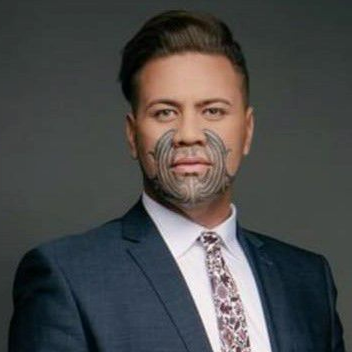
Their leader, Korus Tawha, who also shared first place in the Manukura Tāne category, admitted qualifying for this year’s finals came as a surprise.
“Kua kore tētahi whakareanga o tā mātau kura e eke ki Te Mātangirua,” says Manukura Tāne, Korus Tawha.
“Harikoa ana taku ngākau, nā tēnei kapa tonu tā mātau kura i eke ai.”
Te Reo Whakakoko o Mauao were the only Mātaatua representatives in the finals, making their performance on home soil even more significant.
“E kīia nei he noho whakaiti te hanga o te Māori, nō reira he manawanui, he manawa tina mō te ekenga.”
For full coverage and performances, head to Māori+.