

This story is part of the Te Ao Māori News’ Matariki 2026 series and relates to Waipuna-ā-rangi; the star connected to rainfall and the water cycle.
While Waipuna-ā-rangi, one of the stars in the Matariki cluster, celebrates the nourishment rainfall brings to the land, changing weather patterns are prompting renewed concern about the impacts of climate change across Aotearoa.
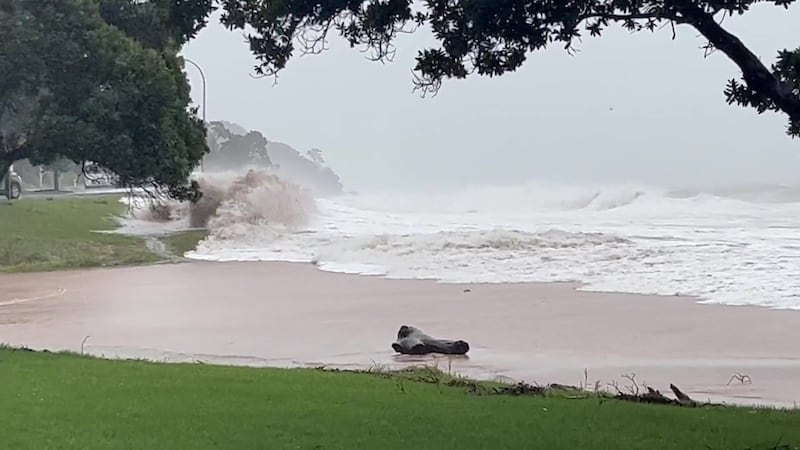
In recent years, cyclones and severe weather events have stranded communities, damaged homes and infrastructure, and, in some cases, caused loss of life.
Regions vulnerable to flooding, coastal erosion and extreme weather continue to face growing challenges as climate change increases the severity and frequency of damaging weather events.
Climate activist Mike Smith says the impacts are already being felt in his home region of Te Tai Tokerau.
“We’ve got urupā, cemeteries that are starting to break away and the bones starting to get washed out from some of our urupā and that’s particularly sad. We’ve got houses that are being impacted through the cyclones particularly,” he says.
Waipuna-ā-rangi
Waipuna-ā-rangi is the sixth star in the Matariki cluster and is associated with rainfall and the nourishment of the earth.
However, after events such as Cyclone Gabrielle and other severe weather events affecting Te Tai Tokerau, the Bay of Plenty, the East Coast and Te Tauihu, questions are being raised about how climate change is reshaping people’s relationship with the environment and their understanding of the star’s significance.
Smith says concerns about the location of flood-prone marae were discussed during meetings with Climate Change Minister Simon Watts and Conservation Minister Tama Potaka.
However, he believes the issue extends beyond marae and urupā.
“They said that they were concerned about marae and urupā, and I thought that was fairly cynical because we don’t live on our marae; we live in houses. And while we should be concerned about our marae, we’ve got to be more concerned about where people live, where they raise their families. We don’t want to see refugees as a result of coastal inundation and sea level rise.
“I think it’s only half the issue to be looking at marae, when more importantly, we’ve got to look at where people live and their houses,” says Smith.
Climate change concerns
Smith, a long-time climate activist, filed legal action in 2019 against seven major New Zealand companies, including Fonterra Co-operative Group, Genesis Energy and Z Energy. He alleged their greenhouse gas emissions contributed to climate change and caused harm to his customary lands and culturally significant sites.
He says climate change is disrupting natural cycles, from seasonal bird migrations to the increasing occurrence of extreme weather events.
As communities across the country consider how to adapt to a changing climate, Smith says long-term planning is needed to address future risks.

“So, people are organising now to shift their communities, but where are we going to shift 350,000 people? Where’s the land going to come from? Where’s the infrastructure? The government should be planning that far ahead and building into that scenario for 20 or 30 years from now.”
He says governments, businesses and communities must take responsibility for addressing climate change and protecting future generations.
“I think we really need to stand up, exercise our rangatiratanga and fully take on any groups, companies, individuals, politicians, nation states that are destroying our precious world.”