

The Tino Rangatiratanga flag should fly permanently alongside the New Zealand flag on Auckland Harbour Bridge, supporters say, rather than being raised there only for Waitangi Day.
The Flag Poll campaign, led by Whānau Ora alongside Te Kura o Tipene and flag co-designer Linda Munn, is seeking 80,000 signatures in support of the move.
Tipene principal Nathan Durie said the flag would prompt a broader conversation about history, treaty relationships, sovereignty and what it means for the country.
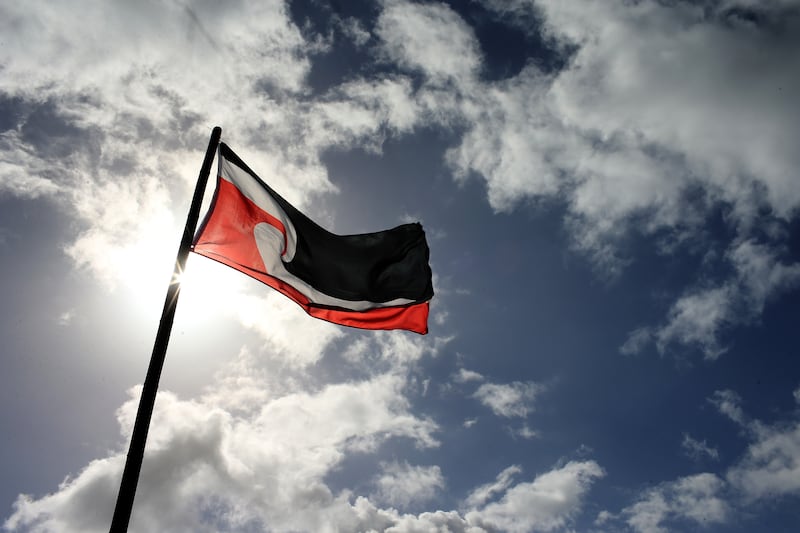
“It makes the statement that we did not cede sovereignty, that our rangatiratanga stayed with us,” Durie said.
“That’s the truth, and I think we need to find the maturity in this country to come to that point of recognising that our rangatiratanga doesn’t mean one or the other, but a collective.”
Munn said she wanted more people to understand what the flag means to Māori.
“We want to embrace tauiwi you know and give wānanga with them around what this flag means to us.”
A permanent place on the bridge
The proposal follows a move in Australia to fly the Aboriginal flag permanently on the Sydney Harbour Bridge in 2022.
For Tipene student Kaha Hawkins, the Tino Rangatiratanga flag represents both Māori history and the aspirations of future generations.
“It shows our past, what we’ve completed in the past and what we’re bringing into the future, what our future generation is going to do to bring up our reo.”
The flag was designed in 1989 and unveiled in 1990, the 150th anniversary of the signing of Te Tiriti o Waitangi.
Munn said a permanent place on the bridge would affirm the continued presence of Māori.
“It means that we’re still visual, we’re still strong, we’re still here. You can’t kill us off you can’t strip us of our whakapapa.”
A symbol of empowerment
The government recognised it as the national Māori flag in 2009, and it first flew on Auckland Harbour Bridge in 2010.
Munn says she hopes the flag will increasingly be seen as a symbol of empowerment.
“I’d be quite happy to think that it won’t still be seen as a flag of struggle, but more of empowerment, which it is.”
Hawkins said he also hopes it will unite a nation.

“To be more together, instead of saying that Pākehā and Māori can’t be together. But even though we had our differences it’s better to be together than be apart.”
Durie said the discussion was also about the future young people would inherit.
“This is a new chapter in the history of this country to reimagine and to reconsider for our rangatahi how they might reimagine their world moving forward.”