

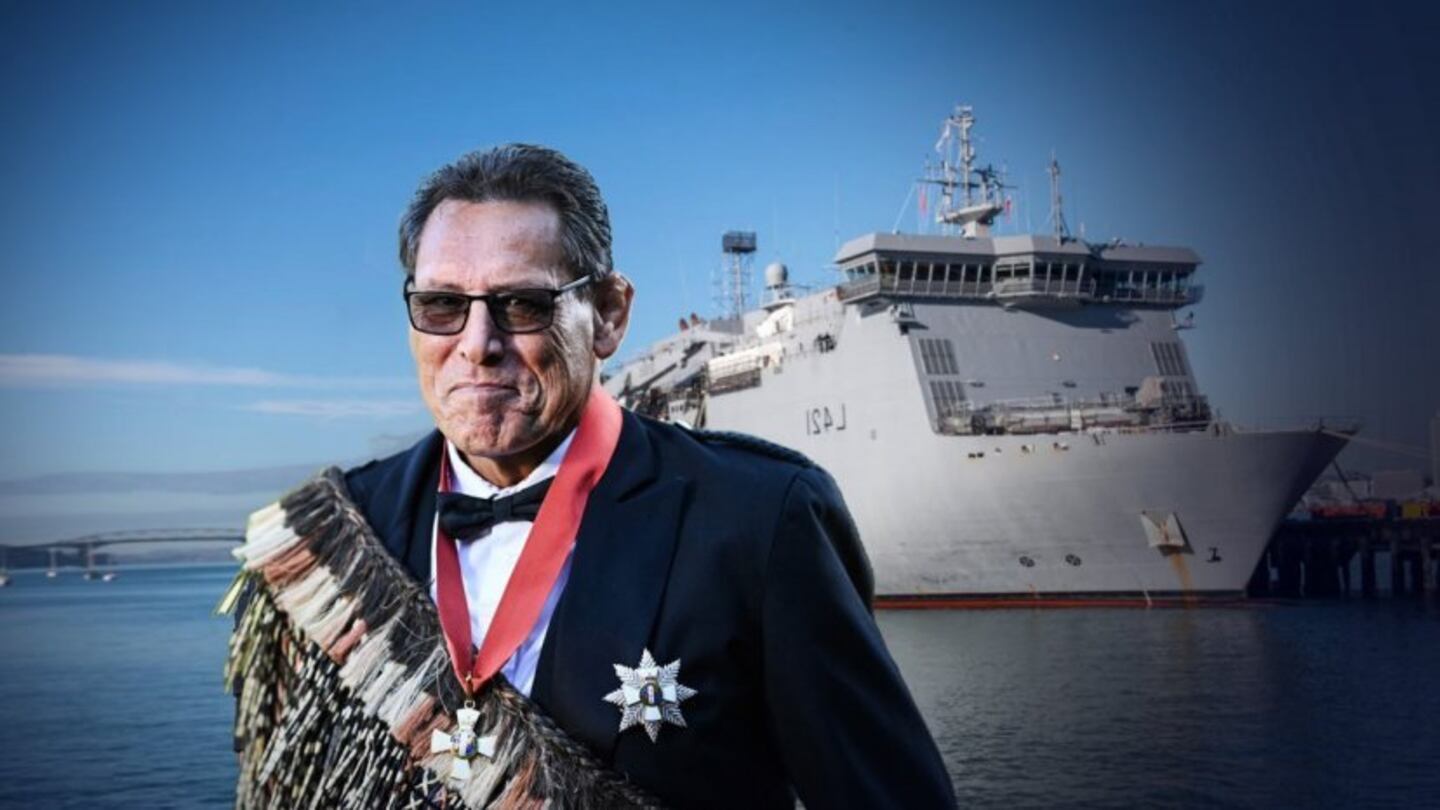
RSA national president Sir Wayne 'Buck' Shelford wants more recognition for veterans and returned servicepeople of more recent conflicts.
He is looking at ways of recognising their service to Aotearoa in a way that acknowledges the modern realities of war.
"We know that when veterans feel that their service is valued, they're more likely to seek support and help when they need it.
"There's not a great understanding in New Zealand of what our recent veterans have experienced during their time in operational deployments. Unlike their predecessors, who came back to huge parades and fanfare, today's veterans fly home and are met by a handful of dignitaries, senior defence officials and then they go back to work again."
Gallipoli starter
While Anzac Day was organised originally to mark the infamous day in 1915 when Australian and New Zealand soldiers landed at Gallipoli in modern-day Türkiye (Turkey) during World War I, soldiers serving in subsequent wars and battles haven't always felt welcomed or appreciated at Anzac Day services.
However, Shelford, a former Royal NZ Navy physical training instructor (and All Blacks captain), doesn't think another public day is needed to appreciate servicemen and women.
"We're not actually looking to actually have a day off. We just want to get our people out there to actually spend a day, go out walking, go out marching, and basically show off the banner of the New Zealand Defence Force. That's enough recognition.
"Over probably the past 30 years, we haven't had that sort of recognition. Even in the time of the Vietnam vets, they didn't get it either. But now they've been accepted into that group and I think that they've fought hard for that recognition as well. So we want to try and actually supersede that and go forward and create another day for our vets."
'Celebrate them when they're here'
He says he doesn't want to continue the mistakes of previous generations of veterans.
"Some of the stories that I've heard are very sad. Some of the World War I vets didn't recognise the World War II vets. And the exact same thing happened to the Vietnam vets - they weren't recognised by the Second World War vets. And those stories are all around the country, which is quite sad.
"But we want our vets to be recognised around the country for the deeds they've done. It doesn't matter which war you're in. War is a war, people will die, they will get maimed and they'll come home with things like PTSD and other injuries as well, physical and mental. So we want them to be celebrated while they're still here on the planet and still kicking.
"It will be a great thing to have for our vets."