

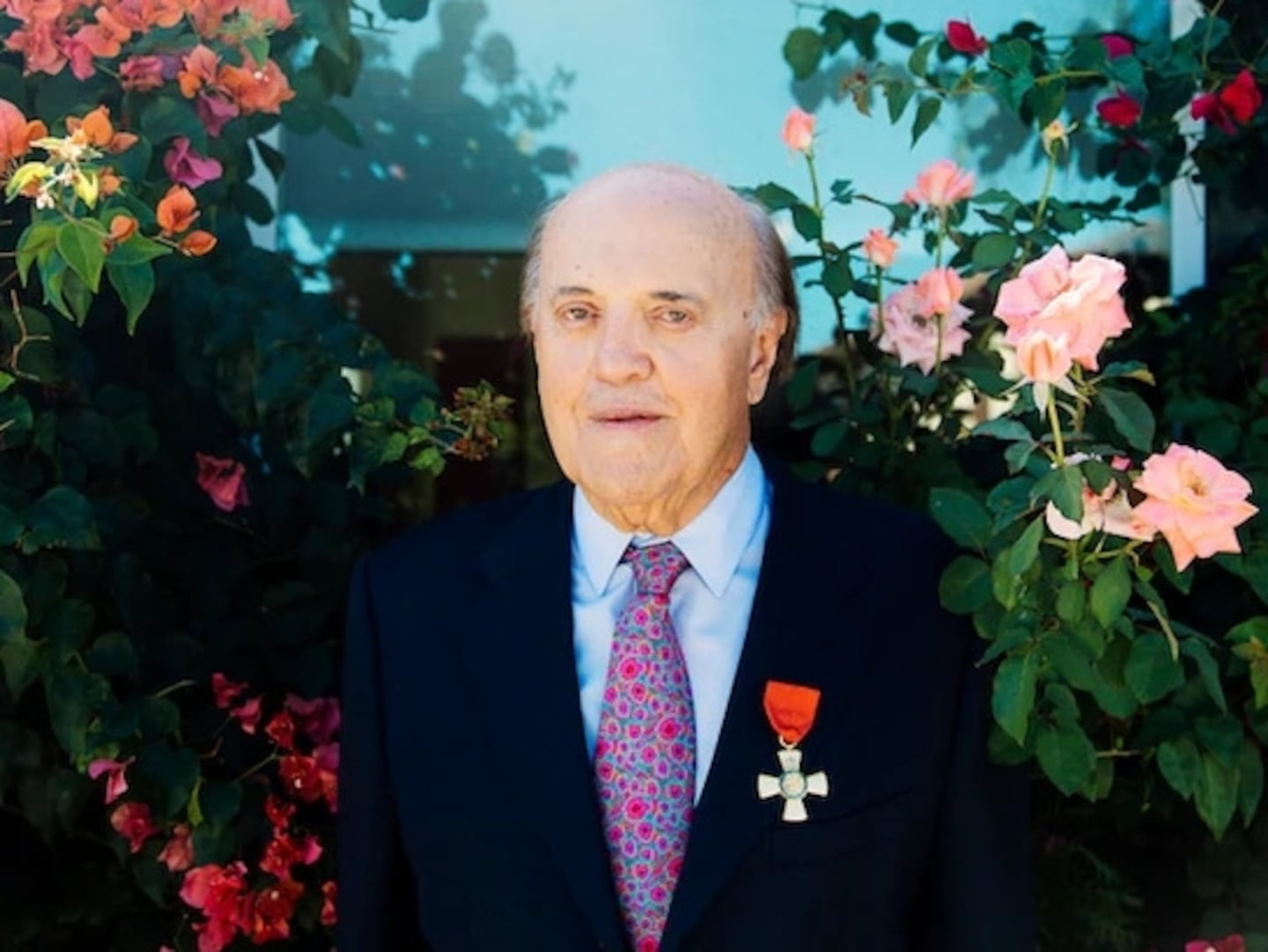
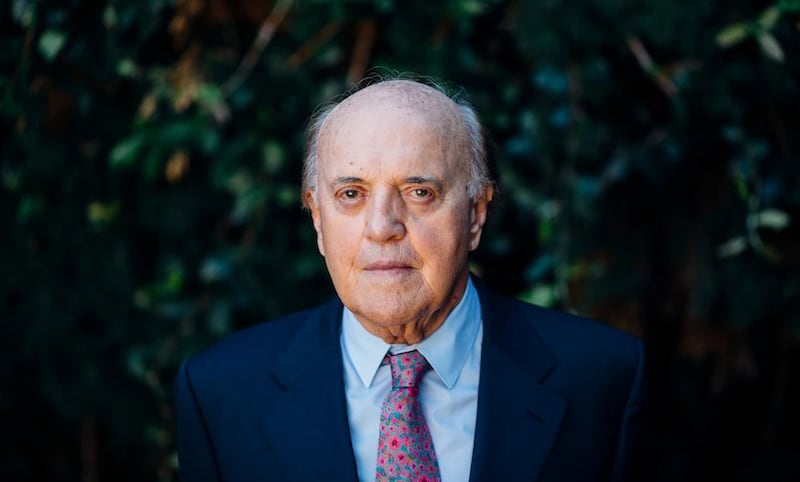
Pulitzer Prize–winning journalist Peter Arnett ONZM, one of the most formidable war correspondents of the 20th century and a descendant of Ngāi Tahu, has died at the age of 91.
Born in Riverton in 1934 and raised in Motupōhue, also known as Bluff, Arnett spent decades reporting from the front lines of history’s most defining conflicts.
From the jungles of Vietnam to the streets of Baghdad, he became a global symbol of eyewitness journalism - the belief that a reporter’s duty is to see the truth for themselves, regardless of the cost.
Southern Roots and Māori Identity
Though his career took him to the far corners of the globe, Arnett remained anchored by his southern roots. He traced his Māori ancestry through his Murihiku whānau; his parents lived on the Aparima Native Reserve, and he spoke openly throughout his life about his Ngāi Tahu descent.
Growing up in Bluff in the 1940s, Arnett lived in a close-knit community where Māori and Pākehā lives were deeply interwoven. Yet in rare interviews with Aotearoa journalists, he also reflected on the realities of assimilation-era schooling, which led to the widespread loss of te reo Māori and tikanga for many Māori of his generation.
Despite this disconnection, Arnett credited his upbringing with forging the resilience required for a life spent in combat zones. Saddened by Arnett’s passing, in a statement to Te Ao Māori News, Kaiwhakahaere o Te Rūnanga o Ngāi Tahu, Justin Tipa says, “Peter’s upbringing was grounded in whānau and the rhythms of work and the sea through traditions such as muttonbirding.”
In a 2008 exclusive interview with former Native Affairs journalist Annabelle Lee-Mather (then known as Annabelle Lee-Harris), he spoke of muttonbirding and how the traditional harvest of tītī was formative to his character.
“My great-great-grandmother was Ngāi Tahu, and having Ngāi Tahu blood entitled us to certain privileges. One of those privileges was going to the muttonbird islands - my family went to Poutama Island,” Arnett said.
He said some of his richest memories from his youth came from muttonbirding, and that his early adventures on the tītī islands helped prepare him for the adventurous life he would go on to lead as a journalist.
“Bluff and New Zealand gave me a solid background on which to build,” he said in a separate interview with Mike McRoberts for Te Karaka, Issue 27 (Winter / Makariri 2005).
A career defined by courage and controversy
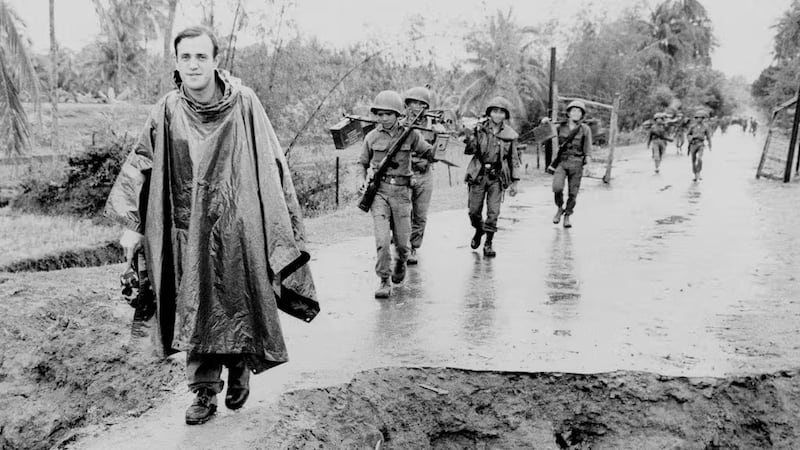
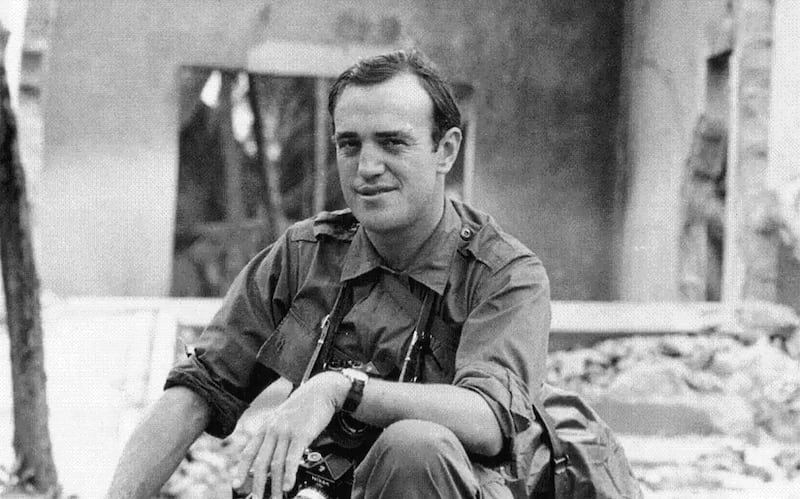
Arnett began his journalism career at the Southland Times before heading overseas, leaving Aotearoa in 1956. He later joined the Associated Press, where he went on to cover the Vietnam War.
His relentless pursuit of what he described as the “unvarnished truth” earned him a Pulitzer Prize in 1966, but also placed him repeatedly at the centre of political controversy.
That tension reached its peak during the 1991 Gulf War, when Arnett became the face of CNN, broadcasting live from Baghdad as bombs fell around him. His reporting on civilian casualties contradicted official United States government narratives and drew fierce criticism, but cemented his reputation for independence and credibility.
“Truth is so important that it is worth risking your life to find it and present it to people, so that they can make their decisions based on truth,” Arnett said.
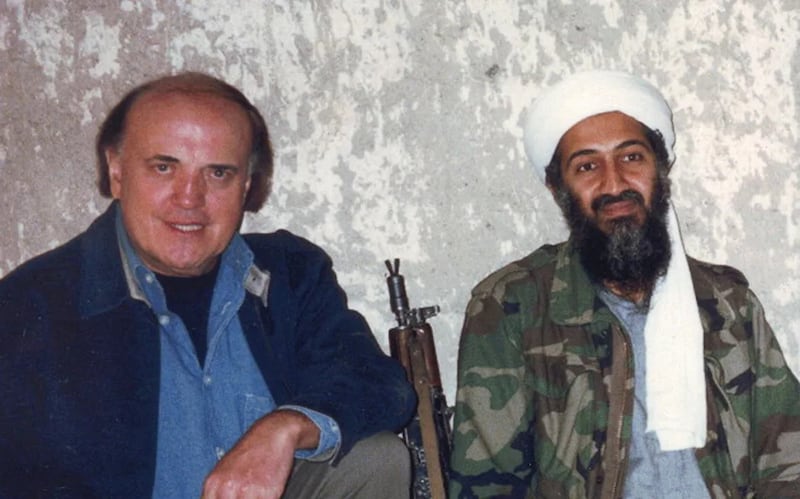
Over the course of his career, Arnett interviewed some of the most influential and controversial political figures of the modern era, bearing witness to war from the perspective of those living through it. This included Nelson Mandela, Saddam Hussein, Osama bin Laden, Fidel Castro, and Yasser Arafat, to name a few.
A legacy for Māori Journalism
For Māori journalists, Arnett’s legacy extends beyond his international accolades. His insistence on questioning authority, centring lived experience, and challenging power aligns closely with kaupapa Māori journalism, where reporting is not just about facts, but about accountability and the human impact of decisions made by those in power.
In 2008, Arnett was interviewed on Whakaata Māori’s (formerly known as Māori Television) Native Affairs, the flagship current affairs programme. His appearance reflected a shared kaupapa between Māori media and international journalism - the drive to scrutinise authority and amplify truth beyond official narratives.
Returning to the Oasis
In his later years, Arnett watched the resurgence of Māori culture and the reassertion of iwi identity with pride. He viewed the growing influence of Ngāi Tahu and the revitalisation of Māori rights as a long-overdue correction in Aotearoa’s history.
Despite decades of living abroad, the man who witnessed some of the world’s most violent conflicts always looked homeward.
“Personally, New Zealand has always been an oasis in a troubled world to me,” he told McRoberts in a 2005 interview.
From Motupōhue to Baghdad, Peter Arnett’s career reflected a commitment to eyewitness journalism that continues to shape how conflicts are reported today.
Arnett is survived by his wife and their children, Elsa and Andrew.
Kaiwhakahaere of Te Rūnanga o Ngāi Tahu, Justin Tipa says:
E te whakamīreirei
E te waewae kai kapua
E te whakatakaka o te kārehu a Tamatea
Tēnei tōhou iwi te taki atu
Mōhou ko riro atu ki tua
Ko koe tēnā ko tū i te mura o te ahi
Ko koe tēnā ko uhupoho ki te pono
Ahakoa nō hea te hau
Mei kore ake koe hai kaikawe kōrero
Mō te huka ka aupēhitia, ka tūkinohia
Haere atu koe e tā ki ōhou nui i te pō
E au te moe; moe mai rā