

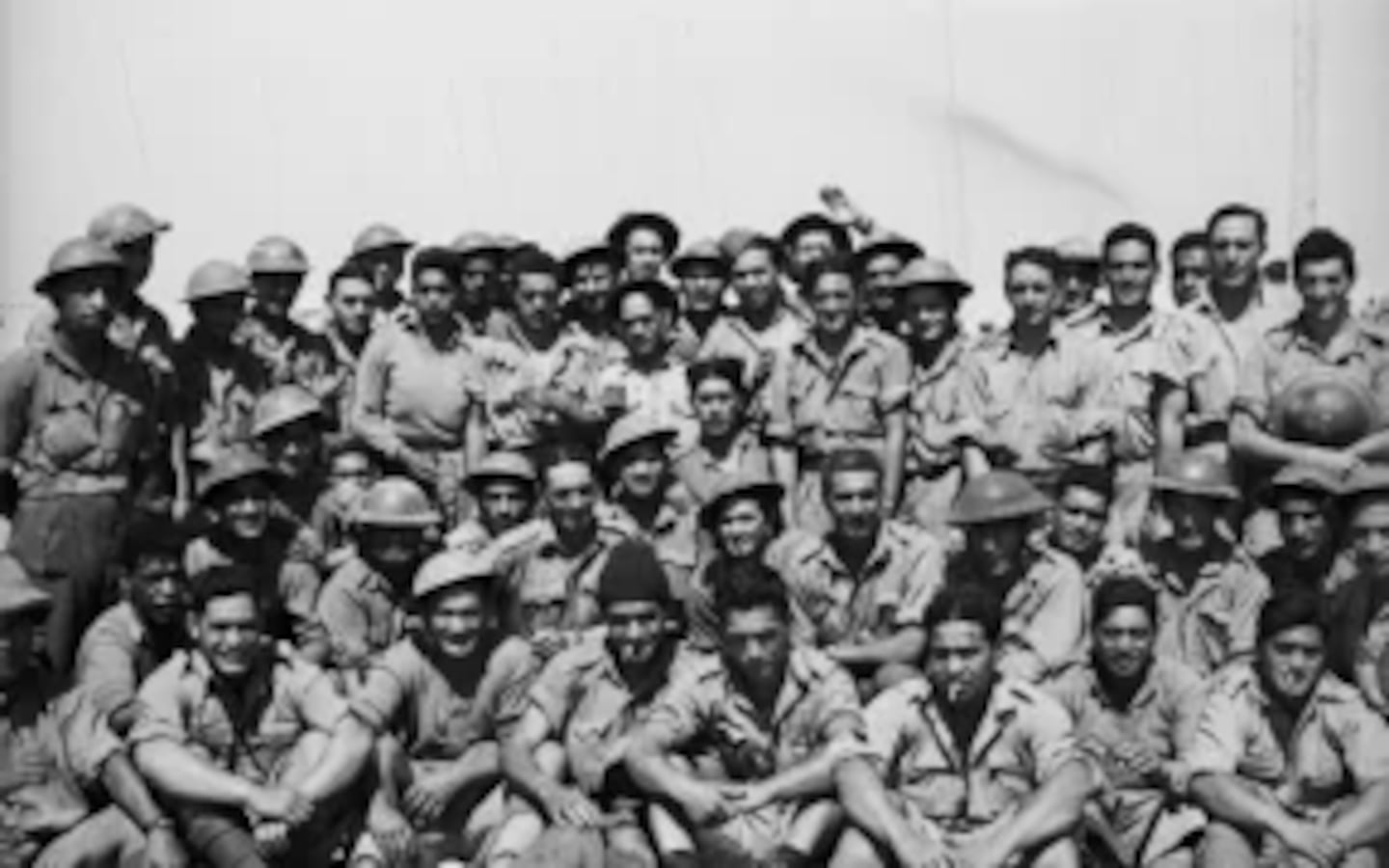
A recent commemoration honouring the service of the 28th Māori Battalion’s D Company brought together whānau, kaumātua, descendants, and community members to remember those who served and to acknowledge their enduring legacy.
Most of D Company’s soldiers came from the East Coast and Te Moana-nui-a-Kiwa. The gathering was an opportunity to recognise not only their contribution to New Zealand’s military history, but their influence on generations that followed.
“Ko te kaupapa o te rā nei, i tēnei marae o Ngāti Toa nei, he whakamaumaharatanga o te Kamupene D,” says Tama Andrews.
Formed in 1940 during the Second World War, the 28th Māori Battalion was made up entirely of Māori volunteers from iwi across Aotearoa. They were deployed in some of the most brutal campaigns of the war and quickly earned a reputation for courage, discipline, and determination.
D Company became known as “Ngāti Walkabout”, a reflection of its diverse origins. Its soldiers came from across the motu, united by kaupapa and kinship rather than geography. The Battalion gained the respect of allied forces and struck fear into enemy ranks, becoming one of the most highly decorated units Aotearoa has ever fielded.
The Second World War saw Aotearoa commit thousands of troops overseas. For many Māori, enlistment was driven by a desire to protect whenua, support whānau, and assert Māori standing within the nation. On the battlefield, Māori soldiers repeatedly proved themselves, often leading assaults and holding key positions under sustained enemy fire.
“I’ve had a lot of uncles and aunties come through the service, and this is a good way to represent the cultural side of the Māori Battalion,” says Jason Ngatai.
The return home
For many Māori soldiers, post-war life was marked by disappointment and neglect. Government rehabilitation and resettlement schemes frequently failed Māori veterans, particularly when it came to access to land, housing, and secure employment.
While many Pākehā soldiers were supported into farms or stable jobs, Māori veterans often returned to overcrowded homes, limited work prospects, and entrenched discrimination. There was little recognition of the psychological toll of war, and many carried trauma in silence, without meaningful support.
“Paora Kruger and my grandfather, also known as Timi Ruawai, advocated strongly for their mates to receive what they rightfully deserved,” says Andrews.
The recent D Company commemoration acknowledged both sides of this history, the bravery shown overseas and the hardship endured at home.
It served as a reminder that remembrance is not only about medals and battles, but about justice, accountability, and telling the full story. Honouring the 28th Māori Battalion is to recognise their service fully and to ensure their sacrifices and their struggles are never forgotten.