


Dozens of frontline workers, housing advocates and community organisation kaimahi, packed Parliament’s public gallery as the Government’s controversial move-on orders legislation passed its first reading, amid fiery speeches from opposition MPs.
The legislation, introduced by Justice Minister Paul Goldsmith, would give the police the power to issue move-on orders to people deemed to be engaging in disorderly or disruptive behaviour in public places, including rough sleeping, begging, or behaviour indicating an intent to inhabit a public place.
Under the proposed law, the police would be able to direct someone to leave an area for up to 24 hours. Those who refuse to comply could face prosecution.
The bill has been sparking sustained backlash from groups including homelessness advocates, Māori organisations, housing providers, community groups and the Police Association since it was first announced in February.
They warn that it effectively criminalises homelessness while failing to address the underlying causes of poverty, addiction and housing insecurity.
During Thursday’s first reading debate, MPs delivered impassioned speeches as audible reactions came from the packed public gallery, where many in attendance work directly with rough sleepers and vulnerable whānau.
The Green Party’s Tamatha Paul accused the Government of disguising the criminalisation of homelessness as a public safety measure.
“How dare the Minister of Justice get up and tell the House not just today but yesterday as well that this is not criminalising homelessness,” she said.
“The Minister realises they don’t have a home, right? Where exactly are they supposed to move on? Should they go to your house?” She suggested to Minister Goldsmith.
Paul said many of those targeted by the legislation were going to be young people with nowhere safe to go and warned the bill would funnel vulnerable people deeper into the justice system.
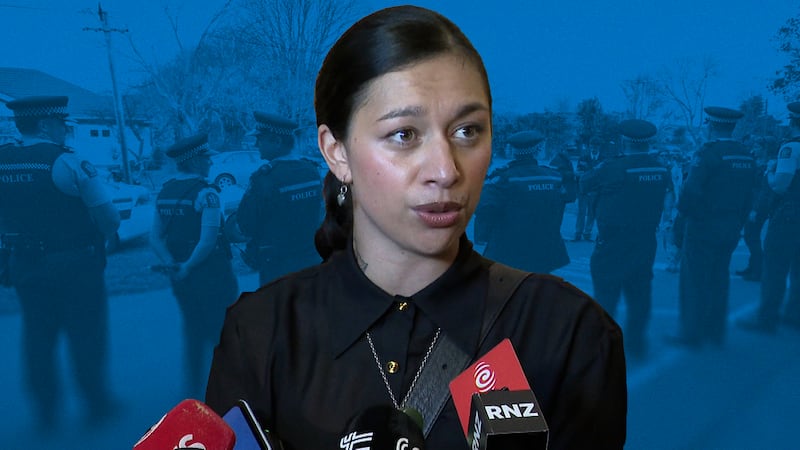
“This bill... will not end homelessness. It is more expensive, it is cruel. The Minister knows it is far cheaper to house them, to give them the mental health and drug addiction support they desperately need.”
She acknowledged those in the public gallery, whom she had organised to attend, saying it was filled with people “who know more about homelessness and how to actually deal with it than the Government does”.
“These are people who are actually on the front line, who do the outreach, who build up the trust with people who are rough sleeping and actually house them”
Paul also referred to a bylaw Goldsmith tried to introduce during his time as an Auckland City Councillor in 2008, which was aimed at removing beggars and the homeless from the central city, which would have allowed police to fine or move people on.
Tāmaki Makaurau MP, Oriini Kaipara, told the House the bill will disproportionately impact Māori, who make up a significant proportion of rough sleepers in Tāmaki Makaurau.
“It doesn’t address homelessness, it criminalises it,” Kaipara said.
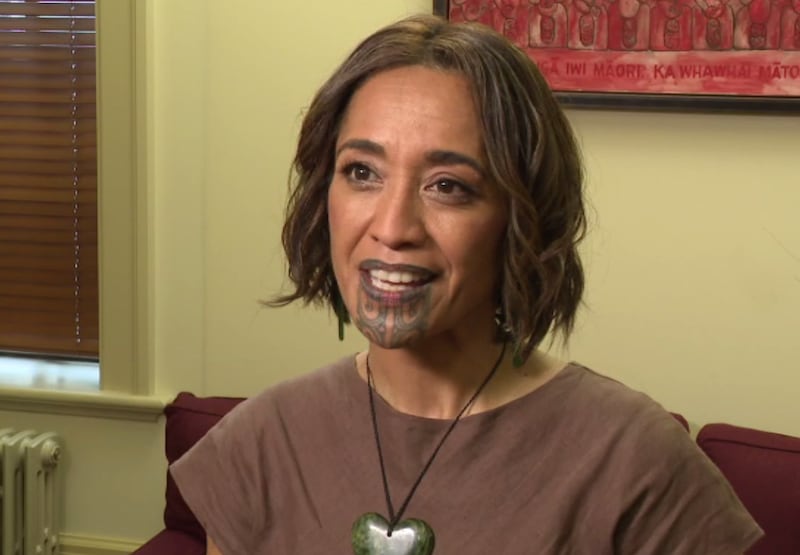
“I know the faces of those it targets. I’ve sat with them on Queen Street. I’ve shared kai with them at Merge Cafe on Karangahape Road.”
Kaipara said the legislation treated homelessness as “a matter of compliance rather than survival”.
“It assumes that if you threaten people with thousand-dollar fines and arrests, homelessness will simply disappear. But people don’t disappear because Parliament tells them to, they move because they have somewhere safe to go and right now, too many of our people do not.” Kaipara told the House.
She also acknowledged Manaaki Rangatahi and Ma Te Huruhuru, organisations which support young people.
Labour MP Willie Jackson said while businesses struggling with antisocial behaviour deserved support, forcing rough sleepers off the streets without alternatives was not a solution.
“Kicking people off the streets without giving them somewhere to go isn’t leadership,” Jackson said.
“That’s just moving misery out of your sight.”
It’s about ‘reclaiming our streets,’ Minister
Goldsmith said the Government was focused on restoring safety and order to city centres and rejected claims that the bill criminalised homelessness.
“There has been much said about this legislation, so let me set the record straight: the Government has no policy to criminalise homelessness,” he said.
“What we do have is a policy to give Police the power to issue move-on orders to people displaying disorderly behaviour in public places.”

Goldsmith argued businesses, residents and visitors had endured years of disruption in central city areas and said Police currently lacked sufficient powers to intervene before situations escalated.
“This is about reclaiming our streets and our city centres for the enjoyment of everybody.”
The legislation allows move-on orders to be issued for disorderly, threatening or intimidating behaviour, obstructing businesses, breaches of the peace, all forms of begging, rough sleeping, and behaviour suggesting someone intends to inhabit a public space.
The bill now heads to the select committee, where the public will be able to make their submissions on the bill before it goes to its second reading.
