
A Hawaiian leader says governments in Aotearoa and Hawaiʻi are using the same playbook to roll back Indigenous rights, calling for stronger Pacific solidarity and resistance.
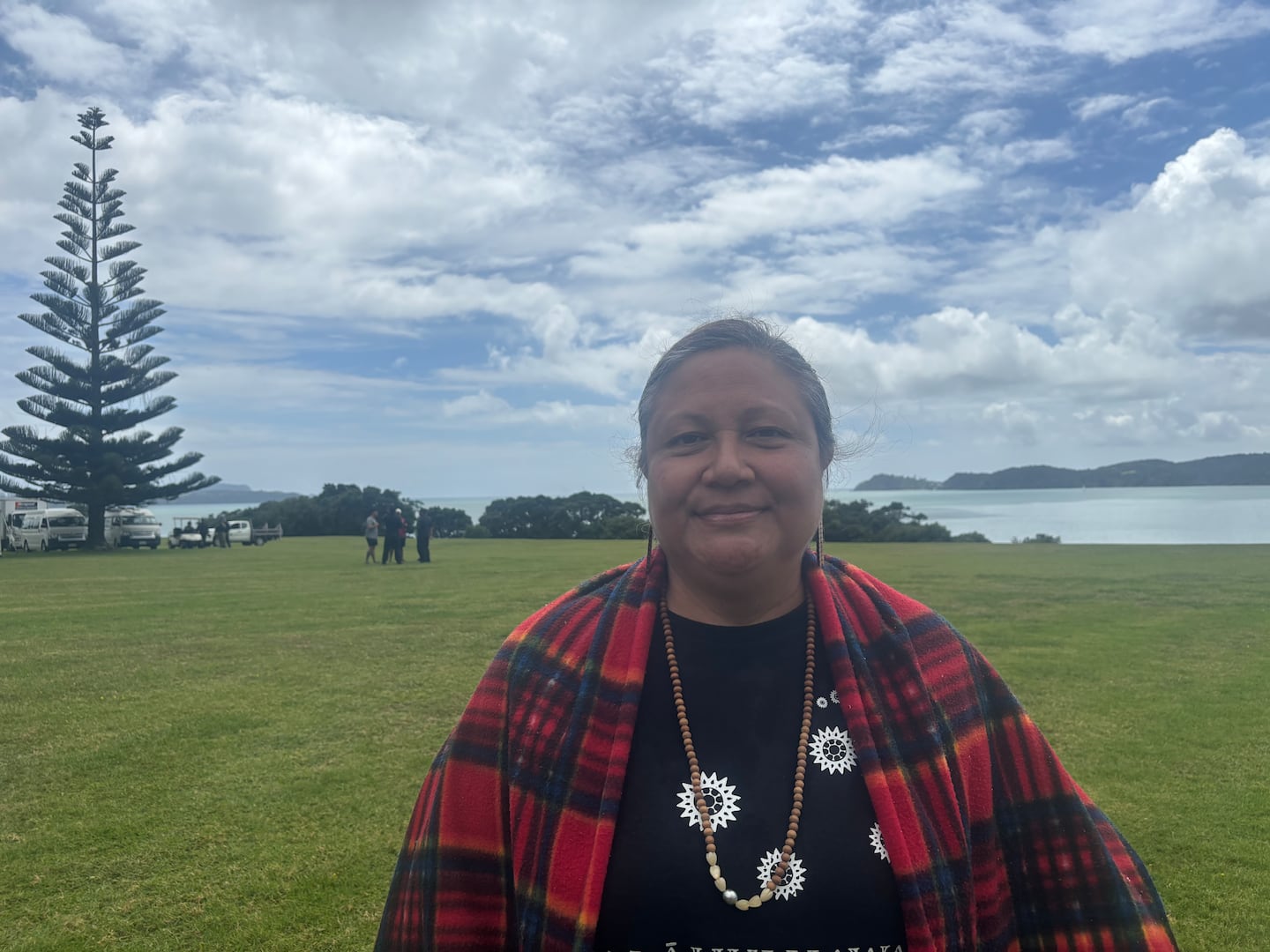
Healani Sonodo-Pale is the spokesperson for Ka Lāhui Hawai’i, an initiative for self-determination for the Kanaka Maoli people who came to Aotearoa to stand in solidarity with Māori.
“We are going through similar challenges with the right-wing conservative attacks on our rights back in Hawai’i,” Sonodo-Pale stressed.
She said Kanaka Maoli land struggles have continued since the illegal overthrow of the Hawaiian Kingdom in 1893, with efforts to reclaim their lands ongoing — a situation she said mirrors Māori experiences in Aotearoa, where land loss and limited redress remain unresolved.

In December 2025, the United Nations Committee on the Elimination of Racial Discrimination (CERD) report highlighted ongoing concerns about Māori land rights.
As Indigenous struggles continue regardless of which government is in power, Sonodo-Pale said there has been a marked shift under newer administrations, which she described as part of a wider global conservative movement.
She said progress Kanaka Maoli have made over the past 20 to 30 years — including language revitalisation, Hawaiian education through Kamehameha Schools, and rights to protect iwi, burial grounds and sacred sites — has increasingly been rolled back.
“They’re attacking policies saying you can’t just have a school for only Hawaiians.”
Similar rhetoric has been used by New Zealand’s coalition government, particularly the ACT Party, which has criticised what it describes as ‘race-based’ policies or ‘racial privilege’, while the National Party has promoted policies framed as being for ‘all New Zealanders’.
Like Māori in Aotearoa, Kanaka Maoli in Hawaiʻi are disproportionately affected by poor socio-economic outcomes. Sonodo-Pale said programmes designed to support Indigenous communities such as education, healthcare, and cultural protections — are being dismantled.
“Under the guise of affirmative action and equality, they are pulling all these things. It’s the same thing happening. And it’s like they’re using the same playbook for Māori and Hawaiians and, our relatives on Moku Honu, Turtle Island.
The 17-member Ka Lāhui Hawaiʻi delegation visited Waitangi to stand in solidarity with Māori and build networks across Pacific Indigenous communities.