

The number of people being turned away from emergency housing has sharply increased, with new figures showing thousands more New Zealanders are now being denied urgent support.
However, Housing Minister Tama Potaka rejects the characterisation that the figures reflect worsening outcomes, saying emergency housing is intended as a last resort and most people are being supported into other housing options or financial assistance.
Data released through Parliamentary Written Questions shows 2,382 emergency housing applications were declined in the September 2025 quarter, nearly three times higher than the 801 declines recorded in late 2023.
That surge means close to four in every ten applications are now being rejected, raising concerns that access to emergency housing is becoming increasingly out of reach for those in crisis.
Green Party housing spokesperson, Tamatha Paul, says the figures point to a worsening situation under the current Government.
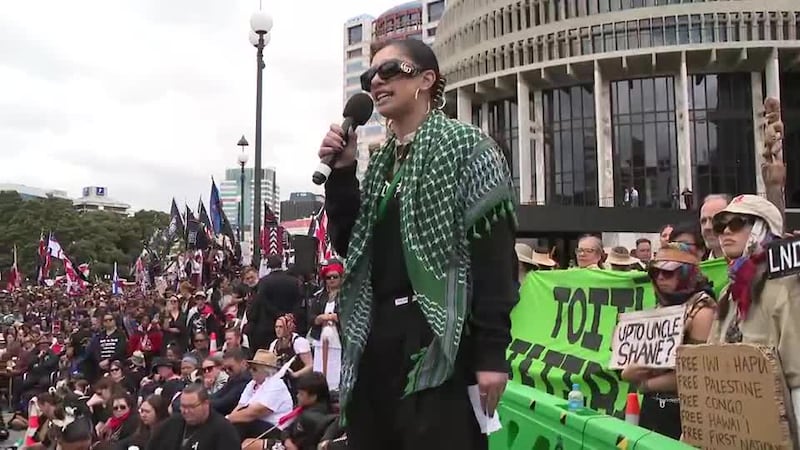
“What these stats tell us is that homelessness is getting worse than we thought under this government because of the choices that they’ve made to restrict access to emergency housing,” she says.
“The nature of how it’s affecting people and who it’s affecting is becoming more clear, and we can see that Māori are over-represented in those experiencing homelessness and those being declined for emergency housing as well.”
For those working on the frontline, the situation is dire.
“Emergency housing stats currently are diabolical, absolutely,” says Mā te Huruhuru kaiwhakahaere, Mahera Maihi.
The organisation runs a 5-week youth transitional housing service.
“100 percent of young people who come through Mā te Huruhuru have been declined emergency housing of late.”
The impact is particularly acute in urban centres.
In Tāmaki Makaurau, rejections have climbed sharply, with the city now accounting for the highest number of rejections nationally, while Te Whanganui a Tara has also seen a steady rise in people being turned away.
Maihi says for rangatahi, being declined often means having nowhere safe to go.
“It’s a big issue that young people are being declined emergency housing because they then struggle to find somewhere safe to stay,” she says.
“They have to prove that they haven’t contributed to their own homelessness, which, as a young person, is hard to prove. Therefore, they are automatically ruled off the emergency housing list.”

She says the system is working against the very people it is meant to support.
“The system currently is stacked against young people trying to find housing.”
Ko te Māori tonu te papa
Ahakoa ko te Māori tonu te tino o te hunga kua whai whakaaetanga, whakakāhoretanga anō hoki, he mārakerake te kite atu i te tautika kore.
E ai ki ngā tatauranga o te wā, e ono tekau ōrau o te hunga kua whai whakaaetanga, whakakāhoretanga anō hoki, he Māori
Hei tā Maihi, he raruraru nui tēnei mō te iwi Māori.
“I would think those numbers are worse than that. That’s probably just what’s been recorded so far.”
E 390 ngā rangatahi Māori kei waenga i te 16-24 tau te pakeke, kei tō rātou rārangi e tatari mai ana.
Hei tā Tamatha Paul, e kaha pā kinotia ana te hunga wahine Māori e tēnei raruraru.
“This government is making it out like all homeless people are criminals, and therefore they need to be moved on or put in a jail cell.”
I tērā tau i whakaputa i Te Kaunihera o Te Whanganui a-Tara tā rātou pūrongo e pā ana ki ngā wāhine Māori e noho kore kāinga ana. Hei tā taua pūrongo tonu, he rerekē te pānga mai o te kāinga koretanga ki te wahine i tēnā o te tāne.
Nā ngā kairangahau kaupapa Māori me ngā kaitautoko i ngā kaupapa whare ki waenga i te hapori tēnei pūrongo i tuhi, hei tā rātou, kāore e whai hua ana ngā rautaki whare, nā te mea, kāore aua rautaki i te whai whakaaro ki ngā wāhine.
Hei tā Paul, kua kōrero kē ia ki te minita tuarua i ngā take whare ki a Tama Potaka.
“And what we’re saying is that actually, rough sleeping in the city, if the government is not going to provide same-day accommodation, is a lot safer than rangatahi or wāhine sleeping under a bridge, in a bush, places that aren’t visible and are even less safe.”

“I’ve reached out and followed, and he hasn’t even acknowledged that letter,” she says.
“And that’s the reality, I just don’t think they give a shit. I don’t think they give a toss about who is experiencing homelessness, where they come from and what will actually support them out of homelessness.” Paul said.
Policy settings driving increase
The rise in declines is linked to stricter eligibility settings, including new “gateway” criteria introduced by the Government.
Paul says those settings reflect a deeper failure to understand homelessness and respond to its root causes.
“What is clear is there has been no genuine attempt to address homelessness,” she says.
“And what is also really clear is that the government have a really narrow understanding and view of who is homeless.”
She says that narrow view fails to account for the realities driving homelessness, including trauma, mental health, addiction and experiences in state care.
“Rather than addressing the issue, they’re choosing to criminalise homelessness and say it’s too hard, let’s just lock them all up,” she says.
“It’s a really disgusting viewpoint that someone who’s coming into an office for help, seeking support, is turned away and is deemed to have contributed to their own homelessness.”
The data shows a growing number of applications are being declined on the basis that the situation is not an emergency, the need could be met in another way, or applicants are considered to have contributed to their situation.
One category alone, cases where MSD determined the need can be met in another way, rose to 660 declines in the latest quarter, making it the single largest reason for rejection.
There has also been a significant increase in declines where applicants are deemed to have caused or contributed to their immediate need, a criteria that did not appear in earlier data but is now being applied more frequently.
Maihi says many of these requirements are unrealistic for young people.
“A young person has to show that they’ve been declined previously by a landlord, which is hard to do if you don’t have any history,” she says.
The figures come as the Government advances controversial move-on powers, which would allow police to move on people sleeping rough or begging in public spaces.
Paul says those policies risk pushing people further into unsafe situations rather than addressing homelessness.

“What I’ve seen on the ground is the face of homelessness is changing; it’s younger, and it’s older.
“If the government is not going to provide same-day accommodation, then rough sleeping in visible areas can actually be safer than being pushed into places that are hidden and more dangerous,” Paul said.
Maihi says the focus should instead be on getting people into stable housing first.
“We need to be looking at getting young people, or people in general, into housing first and foremost,” she says.
“There is the housing first kaupapa… once they’re in, then we can deal with everything else, instead of the other way around.”
She is also calling for the reinstatement of funding for Māori and rangatahi housing initiatives, which were taken out of the 2025 Budget and put into a universal housing fund.
“In an ideal world, I would like to see the Government give back the $60 million they took away in the last Budget. $20 million was for rangatahi housing, $40 million was for Māori housing, so a total of $60 million they took away,” she says.
“It means that organisations like Mā te Huruhuru, who run kaupapa Māori services, aren’t able to operate at full capacity,” Maihi said.
Me kaua ēnei whare e noho hei ora kāinga rua mō te tangata
E ai ki te minita tuarua i ngā take whare, ki a Tama Potaka, me noho mai ēnei tūmomo whare hei whare whakaruruhau i te hunga kei ngā tiriti e noho ana.
“We are not going back there… when there were over 3,000 kids marooned in hotels,” he says.
“Ko tēnei take, arā te whare ohorere… ka riro mā rātou hei kāinga mō te wā paku noa iho.”
Hei tāna, arā noa atu ngā huarahi hei tautoko, hei kauawhi hoki i ngā whānau.
“Ko te nuinga o ngā tāngata e tono ana mō te whare ohorere ka taea te tae atu ki ērā momo whare, neke atu i te 60 ōrau pea.”
Kei te mārama a Potaka ki te tokomaha o te iwi Māori e whai nei i tēnei ara, engari kāore anō ia ki a kite i te piki haeretanga o ngā whika.
“Kāore anō kia kite i te tātauranga… ehara i te mea kei te piki rawa ki runga te ōrau o ngā tāngata Māori e noho ana ki ēnei whare ohorere.”

Greens launch campaign to ‘end the housing crisis once and for all’
Meanwhile, the Green Party has launched a new housing campaign, A Home for Everybody, aimed at ending homelessness and strengthening protections for renters.
“The idea that housing is a human right should not be controversial. And yet, successive governments have allowed housing to be treated as an investment asset first, and a human necessity second,” said Co-leader Marama Davidson.
The campaign includes a proposed Renters’ Rights Bill, a 2 percent cap on rent increases, an end to no-cause evictions, and a rental warrant of fitness. It also commits to building tens of thousands of public homes and increasing support for community and council-led housing, alongside reversing tax cuts for landlords to improve access for first-home buyers.