

The Waitangi Tribunal has heard wāhine Māori leaders are facing sustained racism, misogyny, harassment and disinformation campaigns in public life, with former Wellington mayor, Tory Whanau, describing the abuse she experienced as a “democratic failure”.
The Waitangi Tribunal has heard evidence from former Wellington mayor, Tory Whanau, detailing the scale of racist, misogynistic and sexualised abuse she says she endured while serving as the capital’s first Māori mayor.
Wāhine are appearing before the Tribunal in Wellington this week as part of the long-running Mana Wāhine Kaupapa Inquiry, an inquiry examining how wāhine Māori have been prejudiced through Crown policy, legislation and institutional systems in breach of Te Tiriti o Waitangi.
Her evidence painted a picture of what she described as an increasingly hostile digital and political environment for wāhine Māori in leadership.
“From 2023 to the end of my term, there was sustained and highly sexualised disinformation campaigns about me,” Whanau told the Tribunal.
“This is not random abuse”
She said the abuse included racist and misogynistic slurs spread across social media and amplified through political and media discourse.
“It reflects a broader pattern of systemic racism and misogyny directed at wāhine Māori in public life.”
Whanau told the Tribunal the abuse became so severe that it affected both her physical and mental well-being and ultimately contributed to her decision not to seek re-election and to leave New Zealand.
She now resides in Naarm/Melbourne.
“Simply remaining in that role became unsustainable,” she said.
“I chose not to seek re-election and left Aotearoa in order to protect my wellbeing.”
Whanau said the attacks extended well beyond political criticism and instead focused on dehumanising and delegitimising her as a Māori woman in leadership.
“The abuse consistently relied on racist stereotypes that framed me as unintelligent, aggressive, sexually immoral, unworthy of leadership and inherently less credible than my Pākehā counterparts,” she said.
“The purpose and effect of this behaviour was dehumanisation.”
Her evidence linked the treatment of wāhine Māori leaders to broader societal and institutional failures, arguing existing systems were incapable of protecting Māori women in public office from coordinated abuse campaigns.
“The support for leaders is completely inadequate,” she said.
“Existing systems are largely designed to respond to isolated incidents rather than coordinated campaigns of harm.”
Online digital harm
Whanau criticised the fragmented nature of online harm protections and said victims were often left to carry the burden themselves.
“We shouldn’t be expected to individually document, fund, navigate and survive sustained campaigns of racist abuse,” she said.
“The burden itself becomes another form of harm.”
She called for a coordinated national framework to address online harassment, misinformation and abuse directed at public figures, particularly wāhine Māori.
“In my view, there is a need for a coordinated national framework to address harassment, abuse, intimidation, misinformation and disinformation directed at us in public roles,” she said.
“This should include stronger cross-agency coordination between digital harm, cyber security, online safety, media and social media regulation.”
Among the solutions she proposed was an independent safety-style commission focused on online harm prevention, rapid response coordination, platform accountability and victim support.
“Such a body could help create clearer reporting pathways, improve accountability, coordinate enforcement responses and ensure sustained abuse campaigns are treated as a systemic threat to democratic participation rather than isolated interpersonal disputes,” she said.
Whanau also argued the treatment of wāhine Māori leaders had wider consequences for democracy and representation itself.
“When wāhine Māori are subjected to sustained racism and misogyny without meaningful protection, leadership stops being equitable,” she said.
“Participation stops being equitable, and this becomes a democratic failure.”
Her evidence also highlighted what she described as unequal media treatment compared to Pākehā male politicians, arguing trivial or personal matters were often elevated above substantive policy discussions.
“I do not believe a Pākehā male mayor would be subjected to the same level of humiliation, sexualisation and dehumanising scrutiny,” she said.
Whanau referenced similar patterns affecting other Māori political figures, including Marama Davidson, Metiria Turei, and Tamatha Paul.
Wellington Central electorate MP, Tamatha Paul, is going in front of the Tribunal later this week.
Māori Women’s authority consistently questioned
The inquiry also heard extensive evidence from prominent Māori business leader and Federation of Māori Authorities chair Traci Houpapa, who described the structural and institutional barriers wāhine Māori continue to face across governance, business and Crown systems.
“I stand today acknowledging the legacy of wahine Māori leadership that stretches across generations,” Houpapa told the Tribunal.
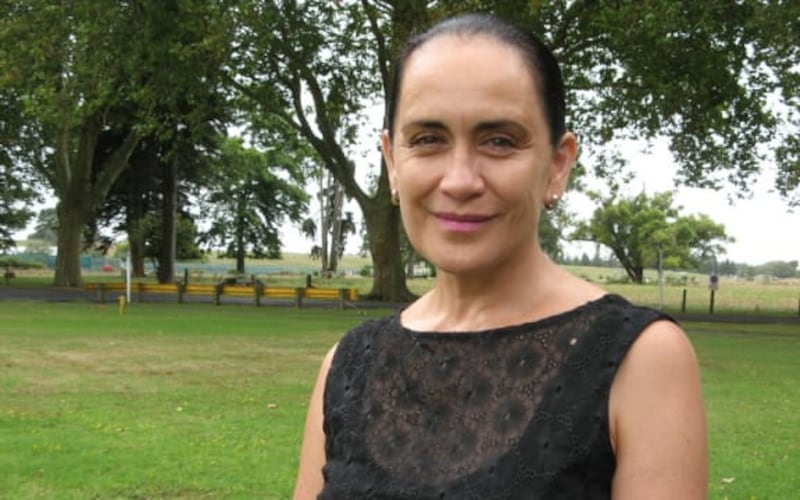
“The issues that confronted wahine Māori then, the exclusion from governance and leadership, institutional racism and sexism, cultural bias and the questioning of Māori women’s authority, sadly continue today.”
Houpapa said colonisation fundamentally disrupted traditional Māori leadership systems where wāhine held recognised authority across political, spiritual, economic and social spheres.
“Imported values reshaped expectations around gender, authority and power,” she said.
“Crown structures privileged male leadership and often reinforced patriarchal interpretations of Māori governance itself.”
She described frequently being the only Māori woman in governance spaces and said simply occupying those positions often challenged existing power structures.
“There were many times when I was the only Māori woman in the room.
“And in some instances, simply occupying those spaces without even opening my mouth challenged existing power structures.”
Houpapa told the Tribunal wāhine Māori in leadership are often forced to navigate hostility, reputational attacks and procedural harassment while carrying disproportionate cultural and relational responsibilities.
“Wāhine Māori are often expected to operate at exceptionally high standards while simultaneously navigating hostility, undermining behaviour, reputational attacks and procedural harassment,” she said.
She pointed specifically to the use of Official Information Act requests and compliance systems as mechanisms that can be weaponised against Māori women leaders.
“The use of Official Information Act requests and related procedural tactics are sometimes used not for transparency or accountability, but as tools for intimidation, disruption or harassment.”
Under questioning from the Tribunal, Houpapa revealed she had personally experienced years of repeated OIA requests targeting her governance roles and remuneration.
“It meant that I felt exposed and undermined,” she said.
She said the individual behind the requests had questioned her identity and legitimacy within governance environments.
Houpapa also linked wider government policy decisions to the themes of the inquiry, including the rollback of pay equity legislation.
“It’s been 12 months since the rollback of the pay equity legislation that sought to improve the employment and wage conditions for workers in education and health,” she said.
“Many of those workers were wāhine Māori.”
The initial landmark claim
The Mana Wahine inquiry is one of the largest kaupapa inquiries ever undertaken by the Tribunal and examines claims spanning historical grievances and ongoing contemporary inequities affecting wāhine Māori.
The Mana Wahine Kaupapa Inquiry stems from a landmark claim first lodged in 1993 by 16 prominent Māori women leaders, including Dame Mira Szaszy, Dame Whina Cooper, Lady Rose Henare, Dame Areta Koopu, Dr Irihapeti Ramsden and Ripeka Evans.
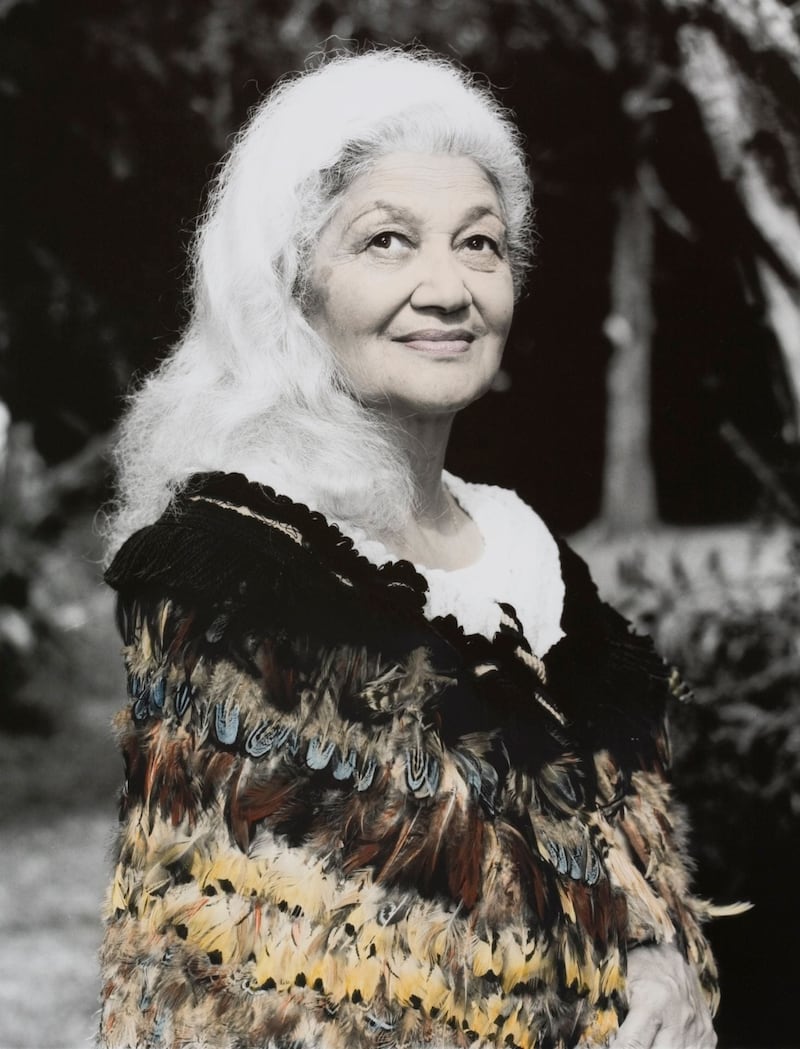
The claim emerged amid growing concerns Māori women were being marginalised both by Crown systems and within Māori leadership structures themselves.
It is widely associated with the exclusion of Dame Mira Szaszy from the Māori Fisheries Commission in 1990, despite being one of the most experienced candidates considered for the role. Her treatment was later described by claimants as evidence of a “boys’ club” culture that sidelined wāhine Māori from positions of authority and decision-making.
The original claim argued Crown laws, policies and institutions since 1840 had systematically undermined the traditional authority, mana and leadership roles of wāhine Māori, including through mechanisms such as the Native Land Court.
Although the claim was first lodged in 1993 as Wai 381, the Tribunal formally initiated the kaupapa inquiry process in 2018.
Hearings began in 2021 and continue to examine the pre-colonial, historical and contemporary experiences of mana wāhine across Aotearoa.
Its work is framed around four central pou: rangatiratanga, whenua, whakapapa and whānau, and whai rawa.
This component of the hearings in Wellington is set down for the rest of the week, with a number of other wāhine Māori in leadership giving evidence.