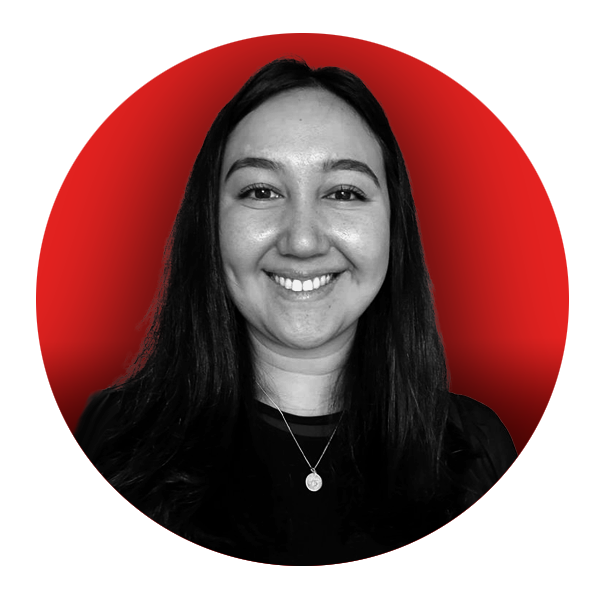

At 20, Billy Reynolds McCarthy is the first in three generations to reclaim his reo Māori, a seed that took years to come to fruition.
His great grandmother, Kahureremoa, was a product of the harm of former schooling methods enacted through the Native Schools Act 1867 that resulted in Māori children punished for speaking their native tongue. The Act continued until 1969.
Born in the 1920s, Kahureremoa, was strapped in school for speaking Māori, and her name was changed to an English alternative, Nancy.

“Tae mai te Pākehā, tae mai te kura, haere a Kahurere ki te kura. Panoni katoa te ao, huri katoa te ao, huri katoa te tikanga.
“Ia te wā ka kōrero ai te reo, ka patua [e] ngā kaiako,” says Reynolds McCarthy.
She described hers as the generation of whispers, as she would only ever whisper te reo Māori from then on. This experience stopped her from passing the language on to future generations.
“That trickle down of silence where my grandparents never learnt out of my great grandparents’ fear that they would be beaten and wouldn’t be able to live or succeed as Māori.”
Today, Reynolds McCarthy speaks te reo fluently and te ao Māori is a central part of his life. He was educated through Māori-medium schooling.
Unaware of his great grandmothers influence on his journey, he later found that she was the person who changed the course of his life.
A pounamu with a hidden story
Reynolds McCarthy has worn his pounamu since he was a baby and says he was 18 when he learnt that his great grandmother passed it on to him.

“Ia te wā ka hei au i tēnei pounamu ki tōku kakī.
“Ahakoa te aha i ngā wā katoa, ahakoa te kapa, te uwhiuwhi, te moe, te mahi hākinakina...te nuinga o taku oranga, kāore au i te tino mōhio he aha te take. E whakaaro au i mau au i te pounamu nei i te mea he Māori ahau,” he says.
His parents said his great grandmother made them promise to teach him te reo Māori.
“I koha atu ia ki tēnei pounamu me te karakia me te ōhākī me ako au i te reo i roto i tētahi whānau tuku pākeha mai,” he says.
“She took me away as soon as she could, she took me into the ngahere [to] tuku karakia. That karakia was all around this pounamu. When she came back out, she went to my parents and said this boy’s got to learn Māori.”
Kahureremoa passed away one year after he was born.
Reynolds McCarthy then went to te Kura a Rito o Newton and was educated through Western Springs College’s Ngā Puna o Waiōrea unit. His mother also took up learning the language to speak it to him in the home.

He says his brothers also have had the same journey as himself, and his uncle is also fluent.
“Ki a au nei ko tōku Māoritanga, ko te reo Māori te mea e hono au ki ōku tūpuna, e hono au ki ōku Mokopuna. Ko tōku reo te ahi i roto i tōku manawa te ahi e whakaarahi au i roto i aku rā,” he says.
‘I was born to speak’
Reynolds McCarthy is now an actor and award-winning spoken word artist from the group Rehekōrero, where he uses his platform to continue his use of the language and bring light to the culture and history.

His new show, “I was born to speak”, is running as part of te Wiki o te Reo Māori and the Koanga Festival at Te Pou Theatre, telling the journey his whānau have been on in reclaiming the language.
He says he hopes his kuia would be proud if she saw him today.

“When I first put this show on, my nan came to watch, she was sitting in the front row.
“She said that afterwards [that] my big nan and my papa Fred were there, and they were there in the crowd watching... she told me that they were very proud and that meant a whole lot to me.”