

After six months in the West Bank, Cole Martin left carrying a responsibility to share the stories he witnessed and help people understand the situation on the ground.
He was living in Aida Camp, north of Bethlehem in the central West Bank, one of almost 60 refugee camps across the region where families displaced during Israel’s creation in 1948 live as they await the chance to return to their homes.
In 1948, the British mandate split Palestine into two states. The West Bank was to be home to Palestinians, however, in 1967, Israel illegally occupied the West Bank, and that occupation continues today.
In September 2024, Te Ao Māori News interviewed Martin during his last time in the West Bank, where he detailed the daily violence Palestinian civilians face from settlers in the illegally occupied territories, including house demolitions and the unjust military court system.
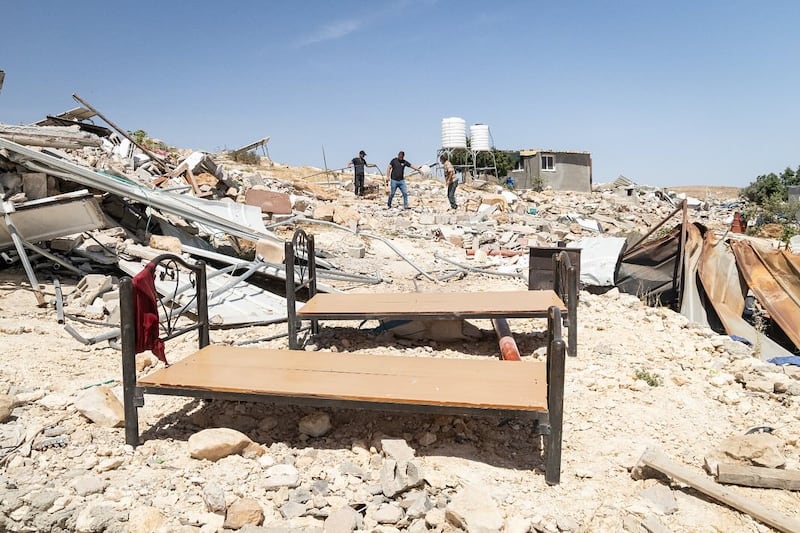
“They survive because it’s not physically possible to just vanish. It’s incredibly heavy and there’s widespread unemployment, widespread depression and anxiety because of what they face every single day,” Martin stressed.
“Once or twice a week, military will come in and take people from their homes, fire off tear gas, live rounds, rubber bullets.”
He wears a Palestine map necklace made from recycled tear gas canisters, symbolising resilience, which he received while in the West Bank.
Settler attacks cut community access to water
Martin said Palestinian homes can be recognised by the water tanks on their rooftops, which ensure access to usable water, as Israel controls the supply, with 80 per cent funneled to Israeli civilians.
In May, the UN reported that since January, Israeli settlers had damaged water infrastructure on 62 occasions across the West Bank, depriving Palestinian communities, with herding communities facing the most severe impacts.
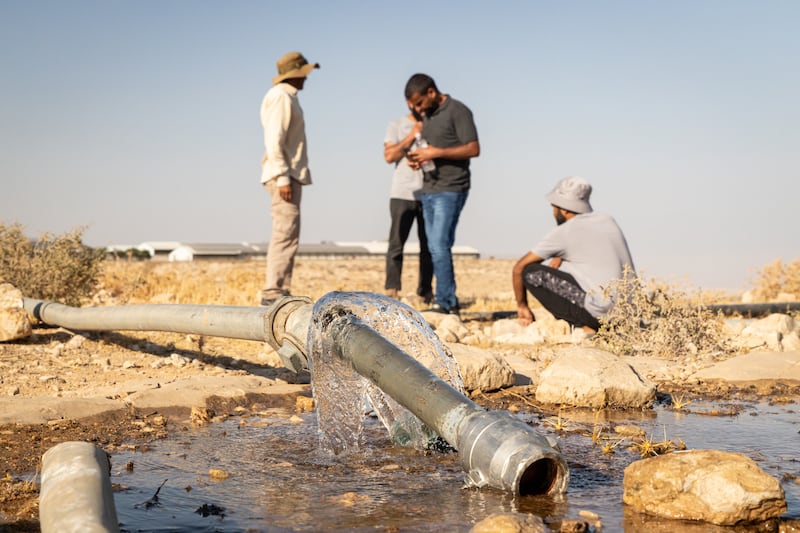
The UN has also accused Israel of using thirst as a weapon in Gaza by withholding access to safe drinking water, a serious violation of international law and a crime against humanity.
Meeting families, welcomed with generosity
Martin travelled through Bethlehem, the birthplace of Jesus, and into Masafer Yatta, a rural area in the South Hebron Hills of the West Bank.
“I was just met with such generosity and hospitality, it’s so central and core to Palestinian culture and it’s the beauty of that that gets overlooked in the headlines,” he expressed.

“We see the destruction, the terror, the fear, but we don’t see the human side of these families who just want to live, to continue existing on their land, they just want to return to their homes.”
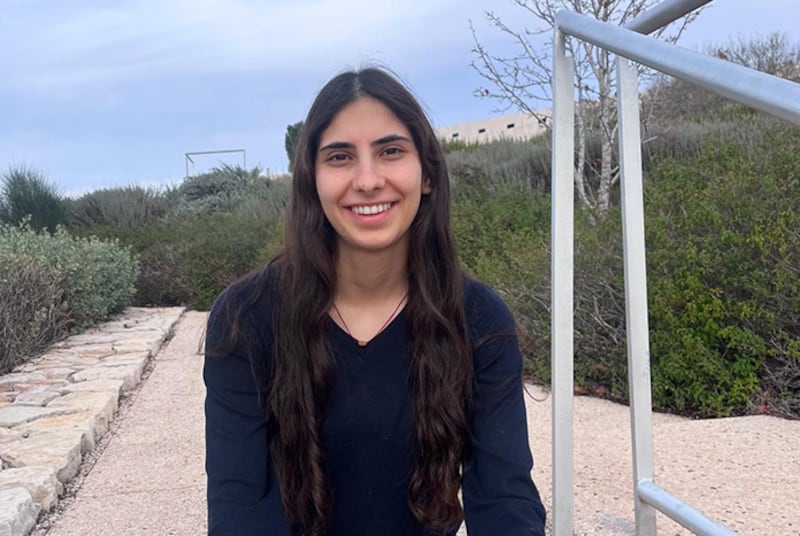
One of the people he met was Lulu, whose 25-year-old Palestinian Christian daughter Layan was seized in a dawn raid and sentenced to eight months in “administrative detention,” a system in which individuals are held without charge or trial.
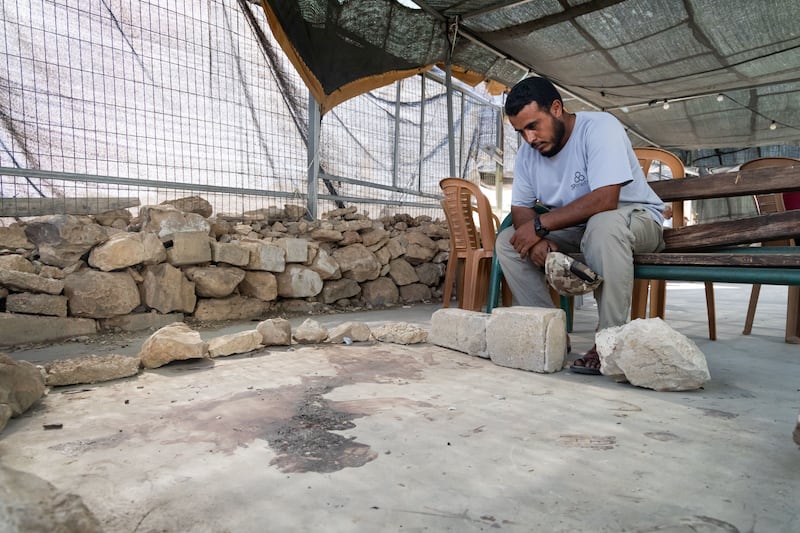
Martin documented the aftermath of settler violence in Umm al Khair following the killing of 31-year-old Palestinian human rights defender and teacher, Awdah Hathaleen, in July 2025.
Hathaleen was shot by renowned Israeli settler extremist Yinon Levy, and despite multiple eyewitness videos, Israeli courts reportedly ruled he acted in “self-defense.”
In the days after, 19 of Hathaleen’s family members were detained and assaulted, critical water pipes were destroyed, and residents faced ongoing intimidation — what Martin called a broader pattern of impunity and repeated settler attacks in the village.
Witnessing violence that echoes colonisation here
Seeing things firsthand and journeying alongside people who had been arrested, beaten in prison, or had their homes demolished has drawn clear connections for Martin upon returning to Aotearoa.
“These are parallel stories. What is happening in Palestine is driven by the same ideologies, the same violence that drove colonisation here in Aotearoa.
On the ground, he said, people feel betrayed by the world and silenced, and while international law exists, it only works when countries are willing to enforce it, and he believes the international community has failed to do so.
Although Martin has seen statements from the New Zealand government, he has yet to observe significant shifts in policy.
“Even while Israel has been committing what human rights organisations and monitors have concluded is an ongoing genocide, the International Court of Justice last year ruled that Israel is upholding a system of apartheid.
“Again, these aren’t terms of slander; they’re legal definitions under international law.
“And New Zealand, as a signatory to those conventions, has obligations to act. The best we’ve seen is our government sanctioning 33 individual settlers and two government ministers, but our sanctions are just travel bans.
“We’ve essentially said they can’t holiday here and pretended that’s enough to signal that committing genocide is unacceptable.”


