
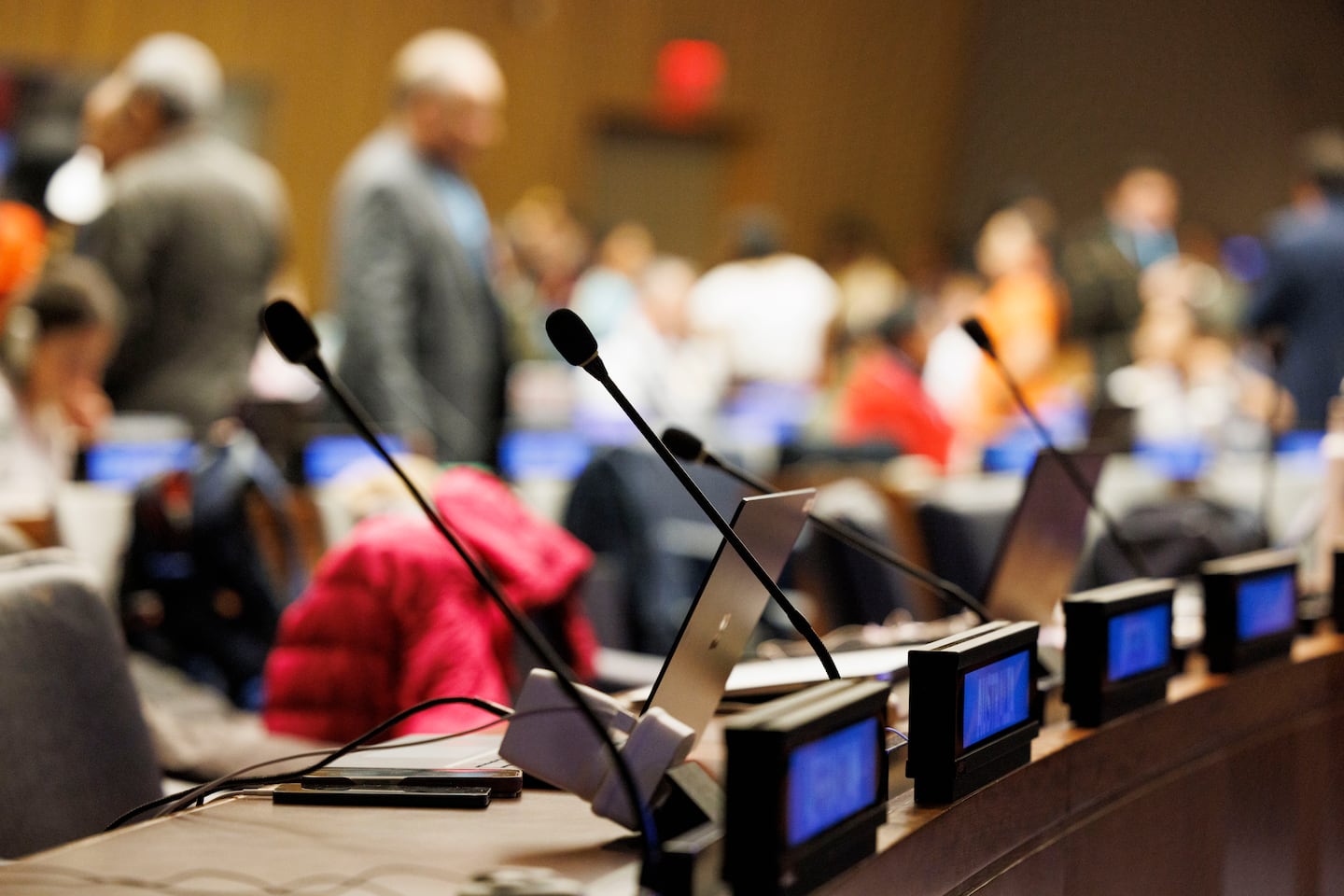
This year, Indigenous New Alliance (INA) will be driven by a dedicated, on-the-ground reporting team from Whakaata Māori, IndigiNews, Mongabay, and Grist. The team will report directly from the United Nations headquarters, bringing frontline perspectives directly to readers from the global convening.
Starting on April 20 and continuing through May 1, the INA media will begin its pooled coverage of the 25th United Nations Permanent Forum on Indigenous Issues. Grist, a US-based media organisation that specialises in climate change reporting, will coordinate a consortium of media outlets for collaborative reporting for the fifth consecutive year, continuing INA’s work.
“Ehara taku toa i te toa takitahi, engari he toa takitini — my strength is not that of a single warrior, but that of many,” said Peata Melbourne, News Editor of Te Ao Māori News at Whakaata Māori.
“That whakataukī speaks directly to what we’re doing with INA. Whakaata Māori can’t cover the world alone, but alongside our partners we can bring these stories home to our people and show that what happens in Indigenous communities everywhere is connected to what happens here in Aotearoa.”

As in previous years, Grist editor-at-large Tristan Ahtone will coordinate coverage among newsrooms, along with editors Cara McKenna at Indigenews and Latoya Abulu at Mongabay. Every story produced by the partnership is available for republication in an effort to maximise the reach of Indigenous journalism globally.
“The INA initiative has been a game changer for redefining how Indigenous journalists operate, and how Indigenous reporters collaborate across borders,” said Ahtone.
“We’re proud to be working alongside so many Indigenous newsrooms, supporting, creating, and advancing the stories that are important to Indigenous readers.”
This year’s official UNPFII theme is Ensuring Indigenous Peoples’ health, including in the context of conflict. Through INA, reporters will dive into this crucial area, exploring how armed conflicts and militarisation act as severe environmental and health crises for Indigenous communities.

Beyond the primary theme, INA is focused on covering anticipated debates this year, including the artificial intelligence boom and the threat of “digital extractivism,” disproportionate impacts of critical mineral mining for the green energy transition, the push for direct climate financing, and the protection of nomadic and semi-nomadic peoples’ cross-border rights.
“Indigenous peoples from all over the world gather at the permanent forum to showcase the issues they are facing in front of national and U.N. officials — as they are often unheard at home,” said Latoya Abulu, senior editor for Indigenous Affairs at Mongabay.
“Through the INA’s initiative at the UN headquarters, Indigenous delegates don’t only have to bring these issues — and their proposed solutions — in front of government authorities inside a building, but can also reach an international audience through our media coverage.”
This is the second consecutive year the Te Ao Māori News team will be part of the INA team at the UN hui in New York. In 2025, Te Ao Māori News digital curator Te Aniwaniwa Paterson reported from the forum. Joining her was Whakaata Māori CEO Shane Taurima, who was part of the Indigenous Journalists Association (IJA) panel. This year, Te Ao Māori News multimedia journalist, Michael Cugley, will report from the New York-based UN office alongside his colleagues from INA.
INA is supported by the Doris Duke Foundation. Stay tuned for updates from the UN with a Māori lens. For coverage from the wider INA network, stories will be available on the GRIST website.