

He tangi apakura ki ngā huhua mate o te tau ka hori nei, ngā mate tāruru nui o te wā, haere koutou ki te huinga o te kahurangi.
As 2025 draws to a close, many of us will find ourselves reflecting on memories we share with those no longer with us.
Te Ao Māori News is taking a moment to reflect on some of those we’ve lost this year.
Kahurangi Tariana Turia, Kaitōrangapū | 1944 – 2025
Kahurangi (Dame) Tariana Turia, the founding member of Te Pāti Māori, has died at the age of 80 in Whangaehu.
The former government minister, of Ngāti Apa, Ngā Wairiki, Ngā Rauru, Tūwharetoa, and Whanganui descent, suffered a stroke earlier this week and was not given long to live.
Born in 1944 in Ngāruawāhia, Dame Tariana embraced her whakapapa from a young age and became a formidable advocate for Māori rights. Her enduring legacy reflects her steadfast commitment to the well-being of her people and her tireless efforts to address systemic inequities.
Of her achievements, Dame Tariana often said her greatest was her marriage of 56 years to George Turia, who died in April 2019, as well as her six children, and more than 80 mokopuna.
Kahurangi Iritana Te Rangi Tawhiwhirangi, Kaihāpai Kōhanga Reo | 1929–2025
Dame Iritana’s revolution began with one simple vow, kia hoki te reo ki te kāinga, yet by the time cancer claimed her, more than 500 kōhanga reo had been established. She had stared down Treasury officials, slept on gym floors to open new centres, and, in her seventies, fronted an embarrassing corporate‑spending scandal that threatened to sink the Kōhanga Reo movement.
Instead of hiding, she asked all kōhanga to publish their books online, a transparency unheard of in the sector. Her stubborn refusal to be shamed turned potential demise into renewed funding and, more importantly, hard‑won public trust.
Toni Huata, Kaiwaiata| 1969 – 2025
I whānau mai a Toni Huata i Te Matau a Māui, ā, i tipu ake ia i Heretaunga hai tamaiti whāngai mā ōna kaumātua, a Te Okanga rāua ko Ngaro Huata.
I kuraina ia i te kāreti o Turakina; inā te huhua noa atu o ngā kōtiro kua puta ake i tēnei kura hai tuawahine nō roto mai i te ao Māori.
I ngākau manawareka ia ki ngā mahi waiata nōna e tamariki ana. I waiata a ia i ngā tira waiata hāhi, i a ia i te kura tuatahi, takawaenga, kura tuarua anō hoki.
Heoi anō, nā ētahi o ōna whanaunga ia i tō ki te ao waiata nōna e mahi kutikuti makewe ana.
He whānau rongonui te whānau Huata i te ao waiata Māori; he uri whakaheke ia nā Te Okanga Huata, tētahi kaitito waiata, a Canon Wi Te Tau Huata, nāna te waiata ‘tūtira mai ngā iwi’ i tito, ko tētahi o ōna mātua ko Tama Huata, nāna te tira whakangahau a Kahurangi, he kaiwhakahaere ō mua hoki o Te Matatini.
Maata Wharehoka, Kaiwhatu | 1950 – 2025
Maata was raised on Parihaka’s legacy of passive resistance and braided kete for museum displays while secretly teaching weavers to embed protest messages in their patterns. She was arrested twice for blocking oil trucks, yet insisted her greatest act of defiance was feeding the arresting officers her kānga waru (steam pudding made from kūmara) at dawn.
Hinewhare Harawira, Kiritohe | 1954 – 2025
Hinewhare Harawira was key in hosting and guiding dignitaries to both Te Tii Marae in Waitangi and Te Whare Rūnanga at the upper Waitangi Marae.
The daughter of the late Titewhai and the sister of former MP Hone Harawira, Hinewhare too spent most of her life advocating for Māori rights.
Ko Hinewhare tetahi o ngā pou o ngā iwi o Te Tai Tokerau i wero atu ki ngā kaiarahi tōrangapū. Ko āna mahi whakatairanga i ngā whainga o te iwi Māori i rongo, ko āna mahi whawhai i kite.
“He Kaiārahi o ngā hikoi ki Waitangi, ki te Paremata anō hoki, he toa o Ngā Kuri a Tū, o He Tauā, he reo kaha, he wahine mātātoa i ngā pakanga ki te Kāwanatanga, he tuahine, he wahine toa.”
Pope Francis | 1936 – 2025
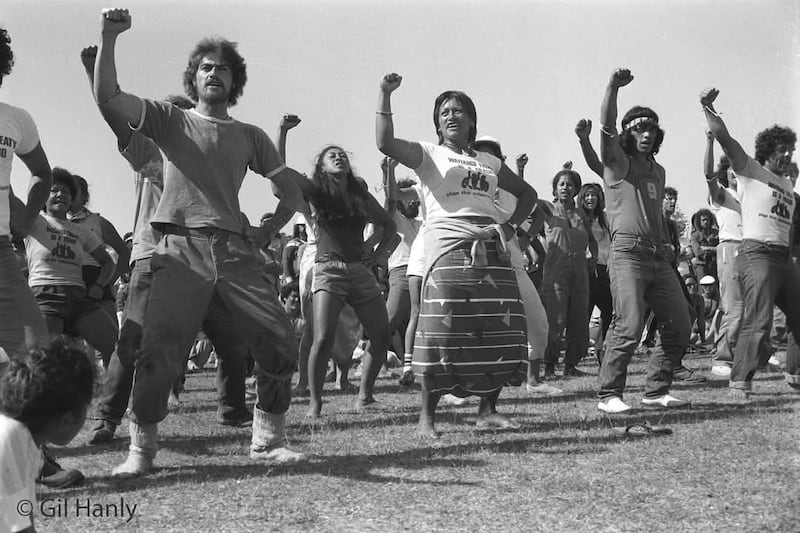
Known affectionately as Pāpā Werahiko by many Māori Catholics, Pope Francis is remembered as a man of deep humility and compassion, particularly for marginalised communities, including the poor, LGBTQIA+ individuals, and Indigenous peoples around the world.
Appointed Pope in 2013, Francis led significant efforts to reform the Church to better reflect the realities of contemporary society.
He expressed openness to greater responsibilities for women, made public apologies for the Church’s historical mistreatment of Indigenous communities, and addressed issues of abuse within the institution.
Shane Solomon, former legal adviser, 1995 Waikato-Tainui settlement | 1963 – 2025
Solomon was part of the Tainui legal team that negotiated the 95 settlement with the Crown, the first to kick off the settlement process.
The agreement, which included a formal apology and $170 million in compensation, became a model for subsequent Treaty settlements between Māori and the Crown.
Solomon, a graduate of the University of Auckland with a major in commercial law, was recruited by Tā Te Kotahi Mahuta in 1992 to research the history of raupatu.

Tamati Cairns, Kaihāpai Māori | 1946 – 2025
He ika ā-Whiro kua nunumi ki tua o te tōwenewene o te rā. He uri nā Tūhoe, nā Kahungunu, ko Tāmati Tuahuroa Cairns tērā i hinga.

Fred Graham, Ringatoi | 1928–2025
Born in Arapuni, Waikato, in 1928, and of Ngāti Korokī Kahukura and Tainui descent, Graham was instrumental in carving the path for modern Māori art in Aotearoa.
Originally trained as a teacher, Graham began his career as an arts adviser in Māori schools before rising to lead art departments across the North Island.
His educational work laid the foundation for a new generation of Māori artists. In 1966, he co-organised The Class of ’66, one of the first exhibitions of modern Māori painting and sculpture, marking a turning point in the country’s art history.
Robyn Fletcher Kahukiwa, Ringatoi | 1938–2025
Kahukiwa rose to prominence in Aotearoa in the 1980s following the success of her touring exhibition Wāhine Toa (Strong Women), which celebrated the mana and stories of Māori women. She went on to become one of New Zealand’s leading book illustrators, with many publications and several prestigious book awards to her name.
A trailblazer in both traditional and contemporary Māori art, Kahukiwa also worked on collaborative projects with other indigenous communities, including those in the United States, Hawai’i, and Australia.

George ‘Fiji’ Veikoso | 1970 - 2025
Born in Suva, Fiji, and raised in Hawaii, Veikoso became a household name across the Pacific in the 1990s with hits like Sweet Darlin’, Lia, and Let Me Be the One. His signature sound, a blend of reggae, R&B, and island soul helped shape the soundtrack of a generation and earned him a string of accolades, including multiple Nā Hōkū Hanohano Awards and recognition at the Pacific Music Awards in New Zealand.
In a 2021 interview with Te Ao Māori News, Veikoso, who was performing at One Love, spoke about his deep ties to Aotearoa, where he regularly toured to sold-out stadiums.
“I feel a strong connection between Aotearoa and Hawai’i. I love it. I always try and keep,” he said, reflecting on his connection to Māori and Pacific communities here.
A passionate advocate for indigenous language revitalisation, Fiji often performed in multiple Pacific languages, including te reo Māori.
“I try to sing in every language and empower our indigenous people, our whānau, to be strong and stand strong in who you are.”

Lady Arapera Sharples, Kaihāpai Māori | 1957–2025
While Sir Pita stood beneath parliamentary spotlights, Lady Arapera occupied the margins, organising community hāngi to fund kōhanga reo, slipping pocket money to solo mums, and reminding high‑profile activists to eat before marching. Her whānau speaks of the nights she shouldered the grief of strangers who turned up at her door, convinced she could fix whatever ailed them. It was that invisibility‑by‑choice which shocked the nation at her tangi: thousands arrived, suddenly aware that the ‘tea‑lady’ in the back row had been the quiet architect of many Māori victories.
Takutai Tarsh Kemp, Kaitōrangapū | 1974-2025
Born in 1975, Kemp descends from several iwi, including Ngā Rauru, Ngāti Tūwharetoa, Ngā iwi o Mōkai Pātea, Ngāti Tamakōpiri, Ngāti Whitikaupeka, Ngāi Te Ohuake, Ngāti Hauiti, Ngāti Hinemanu, and Ngāti Paki.
She was raised by her grandparents at Takirau Marae in South Taranaki from the age of seven to eleven, before moving to Palmerston North and later Auckland. There, she pursued studies in anthropology, health, education, and mātauranga Māori at the University of Auckland.
For more than 13 years, Kemp led the Rangatahi Mental Health Youth Hub, a partnership with the University of Auckland focused on addressing high rates of youth suicide among Māori.
Her passion extended to the arts, where she served as director of Hip Hop International and Auckland manager for Street Dance New Zealand, championing both kapa haka and hip hop tikanga on the global stage.
Grant Hawke, Ngāti Whātua Ōrākei | 1936 – 2025
Ngāti Whātua Ōrākei have farewelled Grant Pakihana Hawke, a long-time leader and one of the last surviving occupiers of Takaparawhau/Bastion Point.
Hawke lay in state at his beloved Ōrākei marae before being laid to rest at Te Puru o Tāmaki urupā on Thursday.
A former chair of the Ngāti Whātua Ōrākei Trust Board, he played a key role in advancing the Treaty settlement process.
His nephew, Taiaha Hawke, says, “e tangi ana, e hotuhotu ana te ngākau tangata mō tēnei, tō mātou nei rangatira mākoha nui. Kua tiraha mai nei i a mātou e noho pani nei i a ia.”
Jim Bolger, 35th Prime Minister | 1935 – 2025
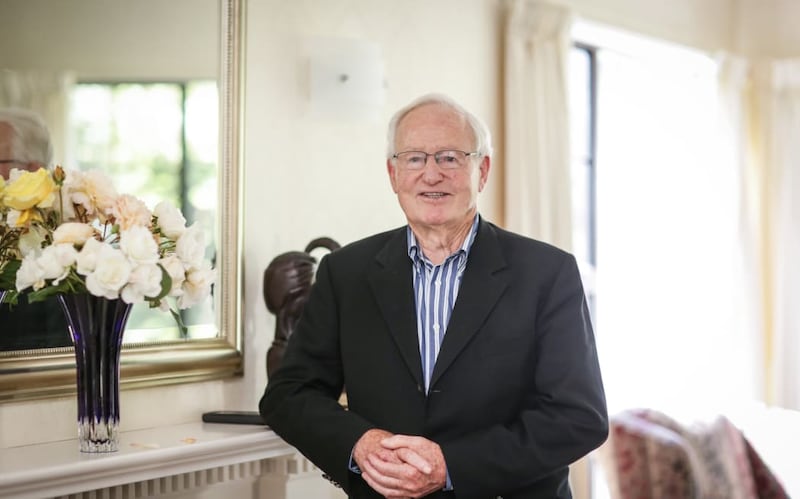
He led the National Party, starting in 1986, and was the prime minister for seven years from 1990, during which time he often stood up to his colleagues when they argued against Māori.
As prime minister, Bolger played a significant role in reshaping Crown-Māori relations, signing the first Treaty settlements with Waikato Tainui and Ngāi Tahu.
Waikato-Tainui executive chairperson Tukoroirangi Morgan said Bolger was committed to solving historical injustices and his thinking on Treaty issues was transformational.
Tā Tīpene O’Regan negotiated the historic Ngāi Tahu settlement, which was signed in 1998.
Bolger operated within “a deeply thoughtful frame”, he told Nine to Noon.
“I think he’s probably one of the most widely read and most widely informed people that I have ever dealt with.”
Lee Tamahori, Kaihanga kiriata | 1950 - 2025
Lee Tamahori is one of the biggest names in New Zealand film and made his feature directorial debut with Once Were Warriors.
He would go on to film Hollywood blockbusters, including the James Bond franchise, and direct episodes of acclaimed television series such as The Sopranos and Billions, working with actors including Anthony Hopkins, Morgan Freeman and Halle Berry.
Born in Wellington in 1950, Tamahori worked in photography and advertising before moving into film, gaining early experience alongside influential directors including Geoff Murphy.
His breakthrough came in 1994 with Once Were Warriors, an adaptation of Alan Duff’s novel that confronted audiences with a raw portrait of urban Māori life, underpinned by intergenerational trauma and domestic violence.
Taina Ngarimu, Ngāti Porou | 1940 - 2025
I whānau mai a Ngarimu i te 29 o Hepetema 1940, i mate atu i te āhurutanga o tōna kāinga, o tōna whānau i te 15 o Tīhema 2025.
He tohunga mō te haka, he kaiaka e whāngai nei i ngā miro mātauranga ki ngā uri maha puta noa i Te Tai Rāwhiti.
Hei tā Ngarimu Parata o Te Aitanga a Mate, kei te memeha haere te momo i a Pāpā Taina mā.
“Ko te tangata nei, i tupu mai i Whareponga i te pūtake o te maunga nei a Kōkai.”
“Nā ōna tīpuna ia i whakatipu i reira - nā rātou i whakatō tētahi momo ki roto i te tangata nei.”
Kua mōhiotia whānuitia a Pāpā Taina i te ao mātauranga, i ōna rā hei kura māhita.
“E hia kē nei ngā tau e whakaako ana i te tamariki, i te tangata,” te kī a Parata.
“I puta ia hei kaiako i tōna wā, i noho hoki ia hei hei tumu reo Māori i te Kura Tuarua o Rītana i roto o Tūranga.”

Peter Arnett, Kairīpoata|1934 - 2025
Born in Riverton in 1934 and raised in Motupōhue, also known as Bluff, Arnett spent decades reporting from the front lines of history’s most defining conflicts.
From the jungles of Vietnam to the streets of Baghdad, he became a global symbol of eyewitness journalism - the belief that a reporter’s duty is to see the truth for themselves, regardless of the cost.
Though his career took him to the far corners of the globe, Arnett remained anchored by his southern roots. He traced his Māori ancestry through his Murihiku whānau; his parents lived on the Aparima Native Reserve, and he spoke openly throughout his life about his Ngāi Tahu descent.

Tā Tumu Te Heuheu Tūkino VIII, Ngāti Tūwharetoa | 1941 – 2025
He succeeded his father, Sir Hepi Hoani Te Heuheu Tūkino VII, as ariki of Ngāti Tūwharetoa in 1997.
As Ariki for nearly three decades, Sir Tumu carried the mantle of one of Aotearoa’s most influential chiefly lines.
He chaired the Māori Heritage Council, held a myriad leadership roles, and was a key figure in heritage and environmental protection both nationally and internationally.
He was respected across iwi and government circles for his calm authority and his dedication to kaitiakitanga, particularly the protection of Tongariro, the sacred mountains first gifted to the Crown by his ancestor Horonuku Te Heuheu Tūkino IV in the 1880s.
His contributions were recognised in 2005 when he was made a Distinguished Companion of the New Zealand Order of Merit for services to conservation, and in 2009, he accepted redesignation as Sir under the Knight Companion rank.

